News · 2026-06-25
Violin News Roundup: Toronto's String Pipeline, Joshua Bell's Vail Residency, and the Live-Audio Lessons from Shure
As of Thursday, June 25, 2026, the most useful violin news is about visibility and repeatability. Toronto Summer Music is now pushing its July 9 to August 1 season by foregrounding both its 2026 artists and 2026 fellows, including violin names such as Timothy Chooi, William Fedkenheuer, and Pekka Kuusisto. Bravo! Vail opens its Academy of St Martin in the Fields residency today and flags June 28's Joshua Bell concert as low inventory. On the production side, Shure's May 18 Axient Digital PSM firmware update and May 21 Savannah Bananas audio announcement both point to a more performer-friendly live-sound future.
Follow Tanya Strings on Google
Add the site as a preferred source to see more new violin posts from Tanya Strings in Google.
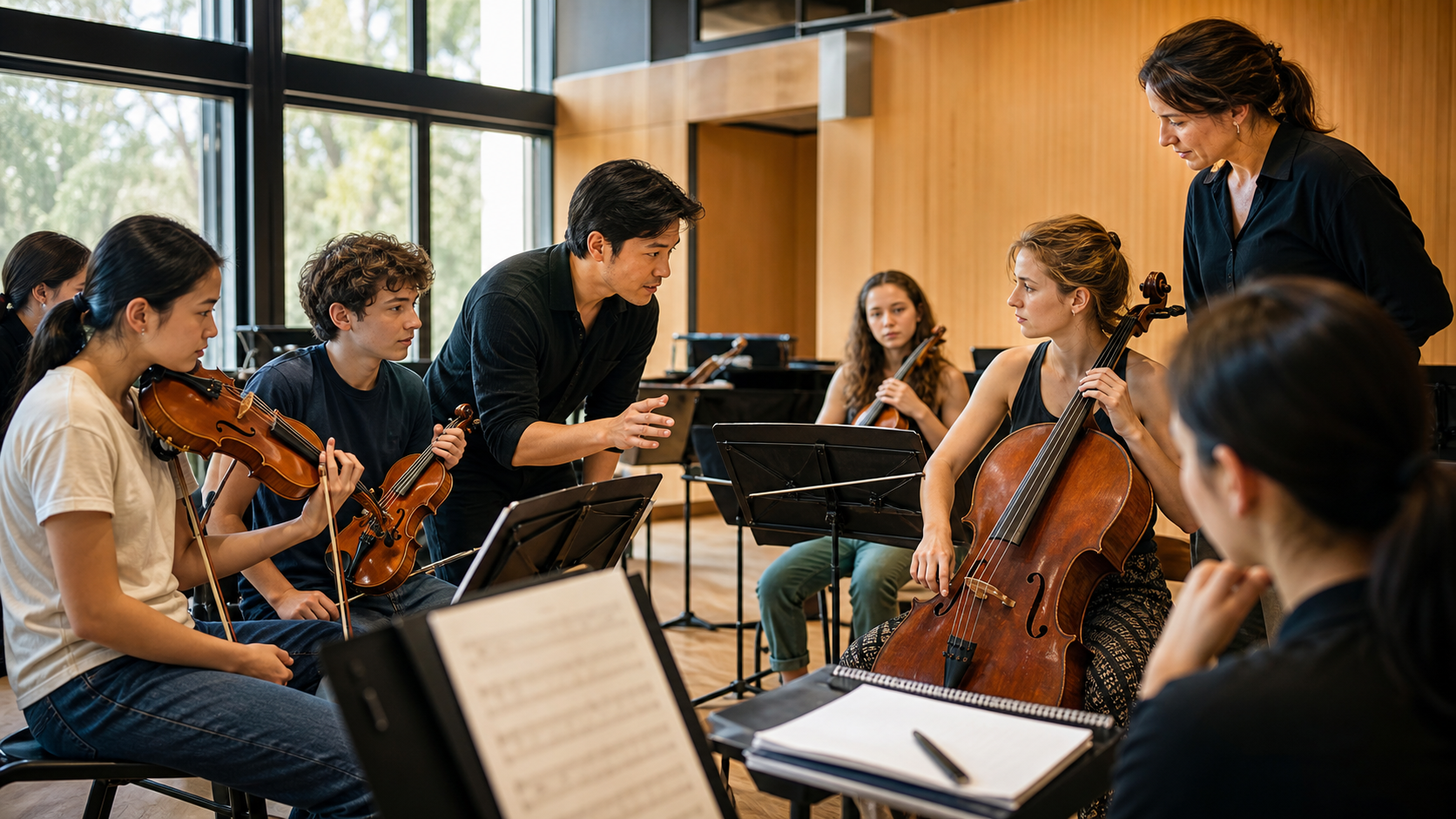
Why does Toronto Summer Music look more serious than a normal summer calendar?
Because the festival is presenting the whole ecosystem in public instead of hiding the training layer behind the ticketed layer. The main festival homepage is already pushing the July 9 to August 1, 2026 frame, and the separate artist and fellow pages make the pipeline legible. On the artists page, you can scroll from Timothy Chooi and William Fedkenheuer to Blake Pouliot and Pekka Kuusisto. That last name matters for electric violinists because Toronto does not flatten Kuusisto into a polite classical label. The page lists him across electronics, four-string electric violin, harmonium, loops, violin, and voice. Then the fellows page puts young violinists such as Ashley Tsai, Hyeon Grace Hong, Jiyu Oh, Justin Saulnier, and Seeun Baek into the same visible season story.
Tanya's performer take: this is the kind of programming language I want more festivals to use. It tells audiences that violin is not one prestige solo slot. It is a living network of mentors, emerging players, and crossover-capable artists who can carry real attention.
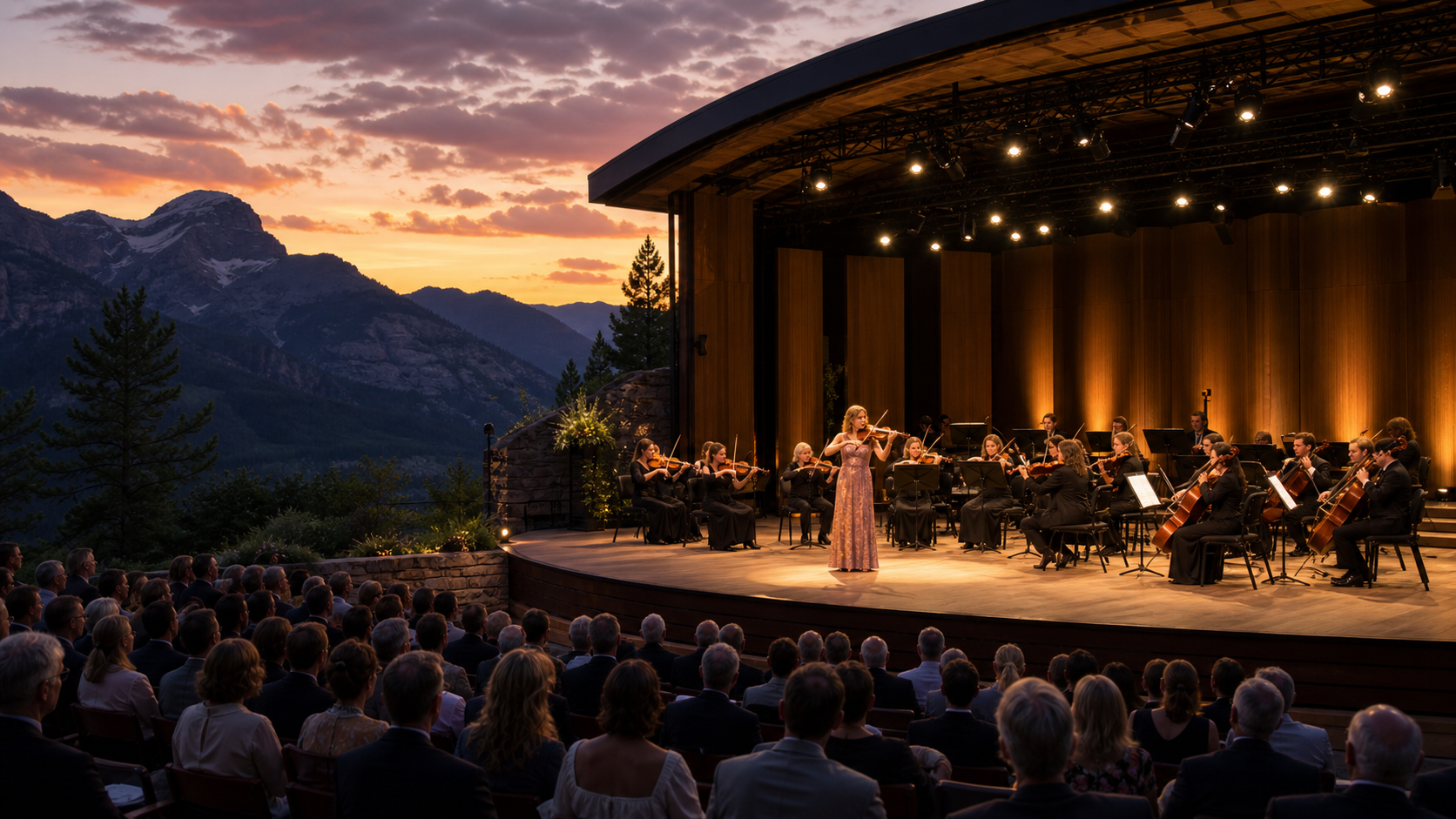
What does Bravo! Vail's Joshua Bell week say about violin-led demand?
It says recurring residency still beats random guesting. Bravo! Vail's Academy of St Martin in the Fields page describes the London ensemble as returning for its fifth residency and opening the festival's 39th season across June 25 to June 28, 2026. That is already useful framing for planners because it turns chamber orchestra identity into a repeatable destination. The sharper signal is the schedule underneath: Beethoven programs on June 25 and June 27, then a June 28 concert explicitly labeled LOW INVENTORY for Joshua Bell with the Academy. In practical terms, that means violin-centered headline power is still strong when it is embedded inside a trusted residency structure instead of being sold as a novelty add-on.
Tanya's performer take: Bell's draw is not the only lesson here. The more important point is that presenters win when they build violin appearances into a recognizable residency arc that audiences can return to every year.
Why should electric violinists care about Shure's Axient Digital PSM update?
Because it addresses the part of digital monitoring that still scares working performers: complexity under time pressure. In Shure's May 18, 2026 press release, the company says the new firmware adds SC Narrowband, a transmission mode meant to feel more familiar to engineers coming from analog in-ear systems. Shure also frames it as a useful option for fast-paced productions, smaller stages, limited RF planning, and spaces with reflective metal surfaces. That is direct electric violin territory. If your show depends on reliable movement, repeatable cues, and quick soundcheck decisions, a digital monitoring path only helps when it reduces friction. The CueMode changes matter too, because preview-before-apply logic is exactly the kind of small workflow fix that saves a live set from preventable mistakes.
Tanya's performer take: stage freedom is only real if the monitor workflow stays calm. Gear news becomes performer news the moment it lowers setup risk for small and mid-size shows.
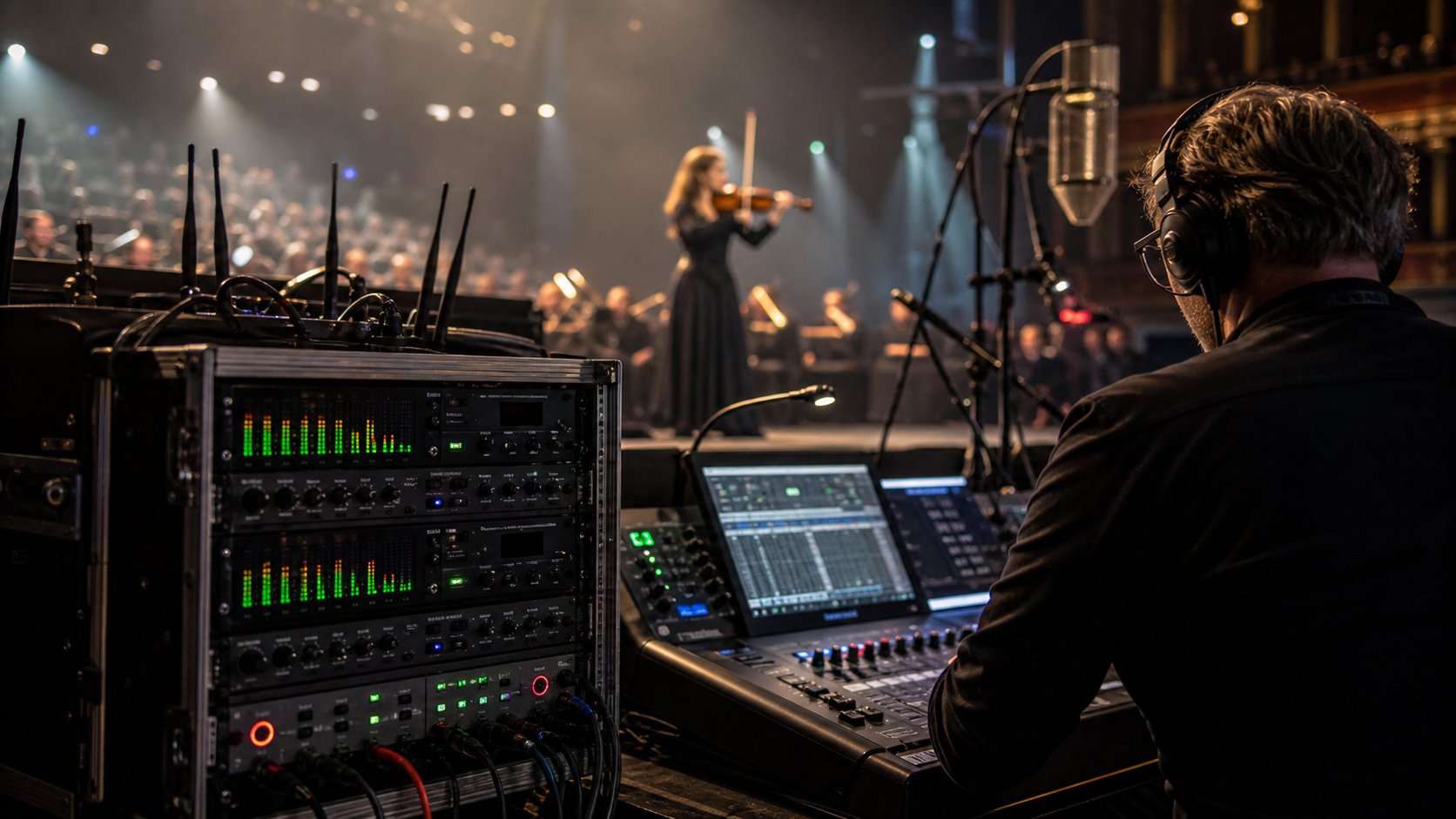
What can concert performers learn from the Savannah Bananas audio story?
More than you might think. Shure's May 21 Savannah Bananas announcement is framed around sports, but the production lesson transfers straight into concerts and music content. The company says the DCA901 broadcast microphone array is replacing more complex multimicrophone field setups with low-profile arrays and a single-cable connection for audio, power, and control, while its steerable capture helps engineers target specific action areas. The same release also explains how the Bananas are using Axient Digital PSM and ANX4 to keep packs, labels, batteries, and connections easier to manage across a fast-moving show. For violinists and event planners, that matters because more concerts are now judged twice: once in the room and once on the stream, reel, or recap clip afterward.
Tanya's performer take: if your live show has any broadcast life at all, ambient capture can no longer be an afterthought. Better audience sound and cleaner backstage organization make the performance feel bigger without changing a single note.
What should violinists, planners, and music fans watch next?
- Watch which festivals publish artists, fellows, and mentors as one connected story instead of three separate silos.
- Track violin residencies that return every year, because repeat appearances usually build stronger local demand than isolated star nights.
- Expect digital IEM updates that simplify RF planning to matter more at mid-size venues where crews are small and changeovers are fast.
- Expect immersive ambient audio to become part of music marketing, because the stream and the short-form clip now shape audience memory almost as much as the room itself.