Bows · 2026-07-02
Best Carbon Fiber Violin Bows for Electric Violinists on Stage
The best carbon fiber violin bow for most electric violinists is the CodaBow Diamond NX because it gives Tanya Strings the quick response, stable feel, touring durability, and clean stage confidence that matter more than prestige marketing. If your show needs a stronger premium main bow, move up to Diamond SX or Diamond GX. If you need a practical second bow or a lower-cost first carbon option, Fiddlerman Carbon Fiber and CodaBow Prodigy are the sensible buys. The real target is not hype. It is a bow that makes the first attack feel calm, fast, and repeatable under pressure.
Follow Tanya Strings on Google
Add the site as a preferred source to see more new violin posts from Tanya Strings in Google.
Affiliate disclosure: Some links in this article are affiliate links. I may earn a commission if you make a purchase, at no extra cost to you.
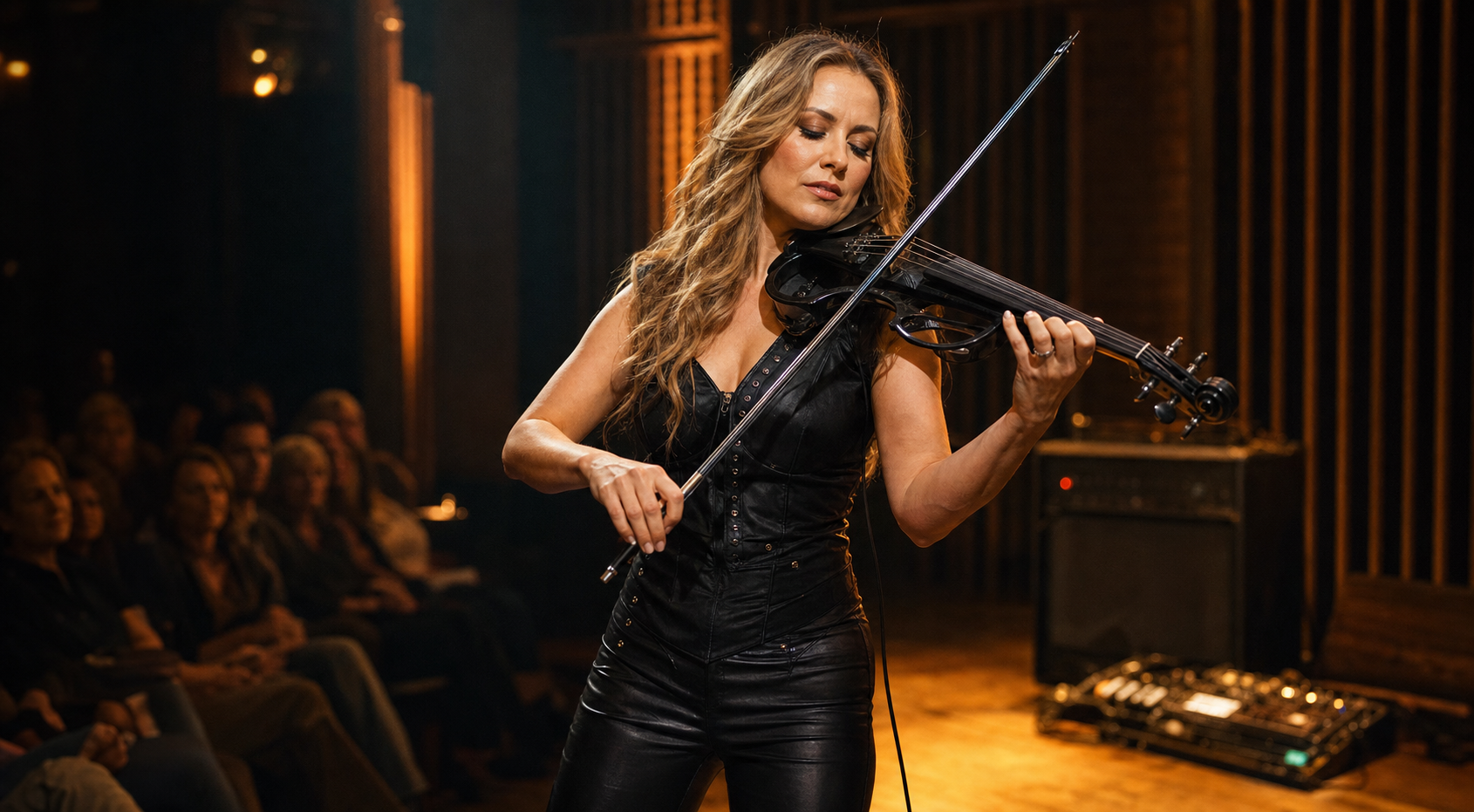
What is the best carbon fiber violin bow for most electric violinists?
For most working electric violinists, I would start with the CodaBow Diamond NX. CodaBow positions it as a four-star performance bow that blends organic touch, tone, and response with silver mountings. That lands in the right middle ground for Tanya Strings because an electric violin bow has to stay articulate through a DI, monitor wedge, and long event day without feeling fragile or overly precious. I want speed, stability, and enough refinement that the hand relaxes instead of negotiating with the stick every phrase.
My performer rule: if the bow makes me think harder about basic articulation during soundcheck, it is not the right live bow, no matter how flattering the spec sheet sounds.
Which carbon fiber bows are worth buying right now?
This shortlist is built around live response, touring durability, travel reality, and how confidently the bow speaks on an electric violin rather than how romantic the product copy sounds.
| Product | Best for | Why Tanya would use it | Watch out for | Links |
|---|---|---|---|---|
| CodaBow Diamond NX | Most electric violinists who want the safest all-around main bow | I trust it when I want fast response, controlled bounce, and a serious feel without jumping straight to luxury pricing. | It is still a premium purchase compared with entry carbon bows, so buy it as a working main bow, not an experiment. | Official · Amazon |
| CodaBow Diamond SX | Players who want more projection and a firmer premium stage feel | I would move here when the show wants extra brilliance, more authority, and a stick that stays composed in stronger attacks. | The added stiffness and price make more sense for players who already know what they want under the hand. | Official · Amazon |
| CodaBow Diamond GX | Premium touring rigs that need a polished main bow | I would buy it when the violin, strings, and front end are already strong enough to reward a more complex and projecting bow. | It is easy to overspend here if the real problem is still strings, pickup translation, or monitoring. | Official · Amazon |
| Fiddlerman Carbon Fiber Violin Bow | Value-focused players and smart backup-bow buyers | I like it when I need a lower-risk carbon bow that still stays balanced, responsive, and practical for travel or backup duty. | It is the value play, not the most refined bow in a headline-level touring rig. | Official · Amazon |
| CodaBow Prodigy | Players who want an affordable serious carbon bow or dependable second bow | I would use it as a disciplined first carbon upgrade or as a spare bow that still feels stage-safe instead of disposable. | It does not carry the same luxury finish or projection ceiling as the Diamond line. | Official · Amazon |
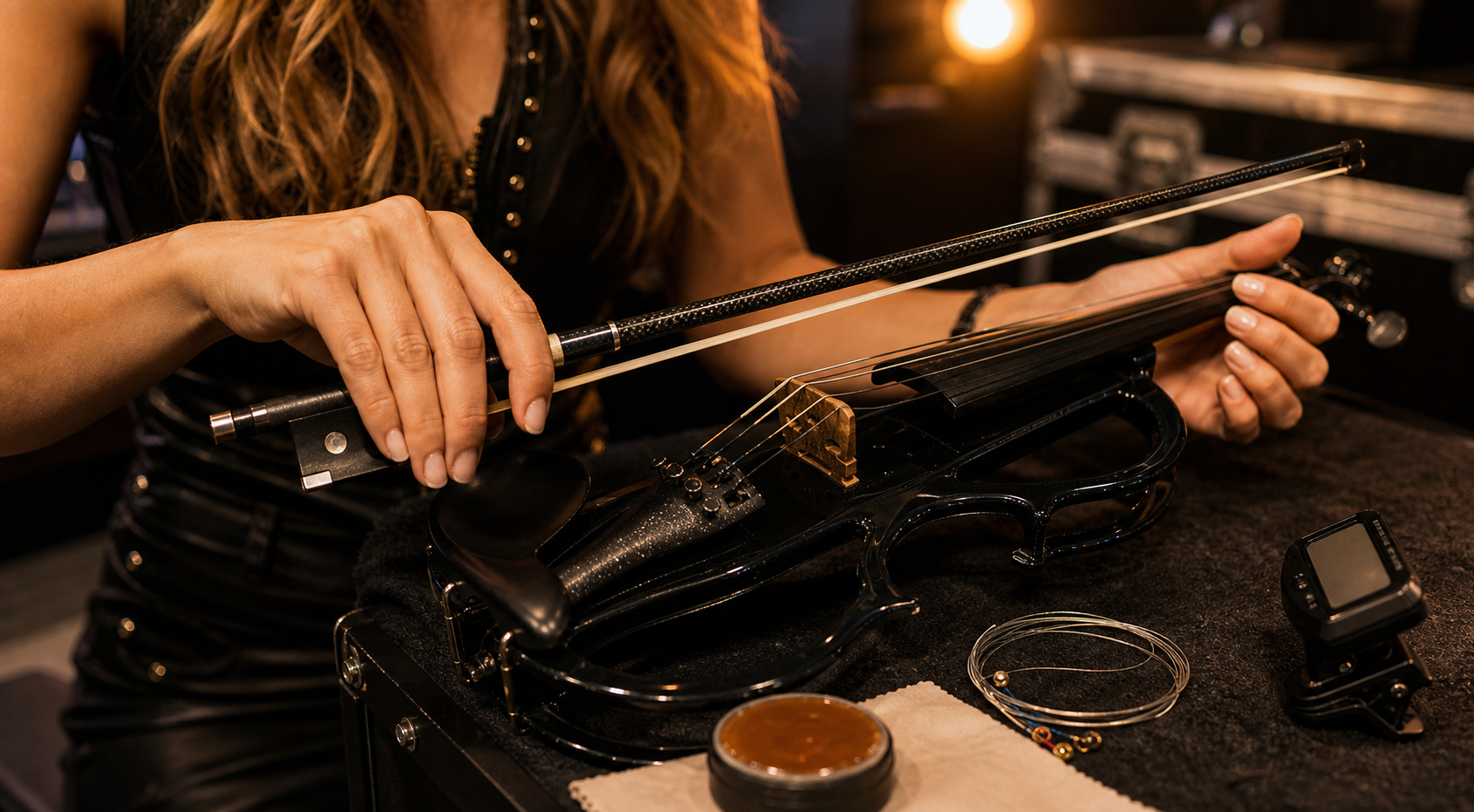
Why is CodaBow Diamond NX my safest overall pick?
The Diamond NX wins because it sits in the most useful middle. It feels serious without asking you to pay peak-tier money on day one. CodaBow markets it around organic touch and response, which is exactly the language I care about for electric violin. If the bow starts quickly, tracks cleanly through fast passages, and does not punish the hand after a long wedding set or club night, it is doing the real work. NX is the bow I would recommend to the widest number of players because it solves the live problem first.
Who should buy Diamond NX first?
Buy it first if your calendar mixes weddings, private events, rehearsals, content shoots, and compact live stages and you want one reliable main bow instead of endlessly trading up from cheaper compromises.
- Pros: balanced stage feel, fast response, serious build, and a cleaner jump to professional reliability.
- Cons: not cheap, and still more bow than a purely casual player may need.
See the official CodaBow Diamond NX page · Find CodaBow Diamond NX options on Amazon
When does Diamond SX make more sense than Diamond NX?
Move to Diamond SX when the bow needs to feel more assertive. CodaBow describes the SX around brilliant sound and substantial stiffness, which tells me it is aimed at players who want more authority and a stronger premium edge under the hand. On electric violin, that can be useful when the set leans more aggressive, the articulation needs to cut harder, or the player simply prefers a firmer speaking point. I would not make the jump for vanity. I would make it when the show keeps asking for more bite and presence.
What kind of player really needs SX?
It suits performers who already know they like a firmer, more projecting bow and who want their main stage bow to feel decisive at the front of the note.
- Pros: stronger premium feel, more authority, and a better fit for assertive stage articulation.
- Cons: higher cost and less reason to buy it if you are still learning your own bow preference.
See the official CodaBow Diamond SX page · Find CodaBow Diamond SX options on Amazon
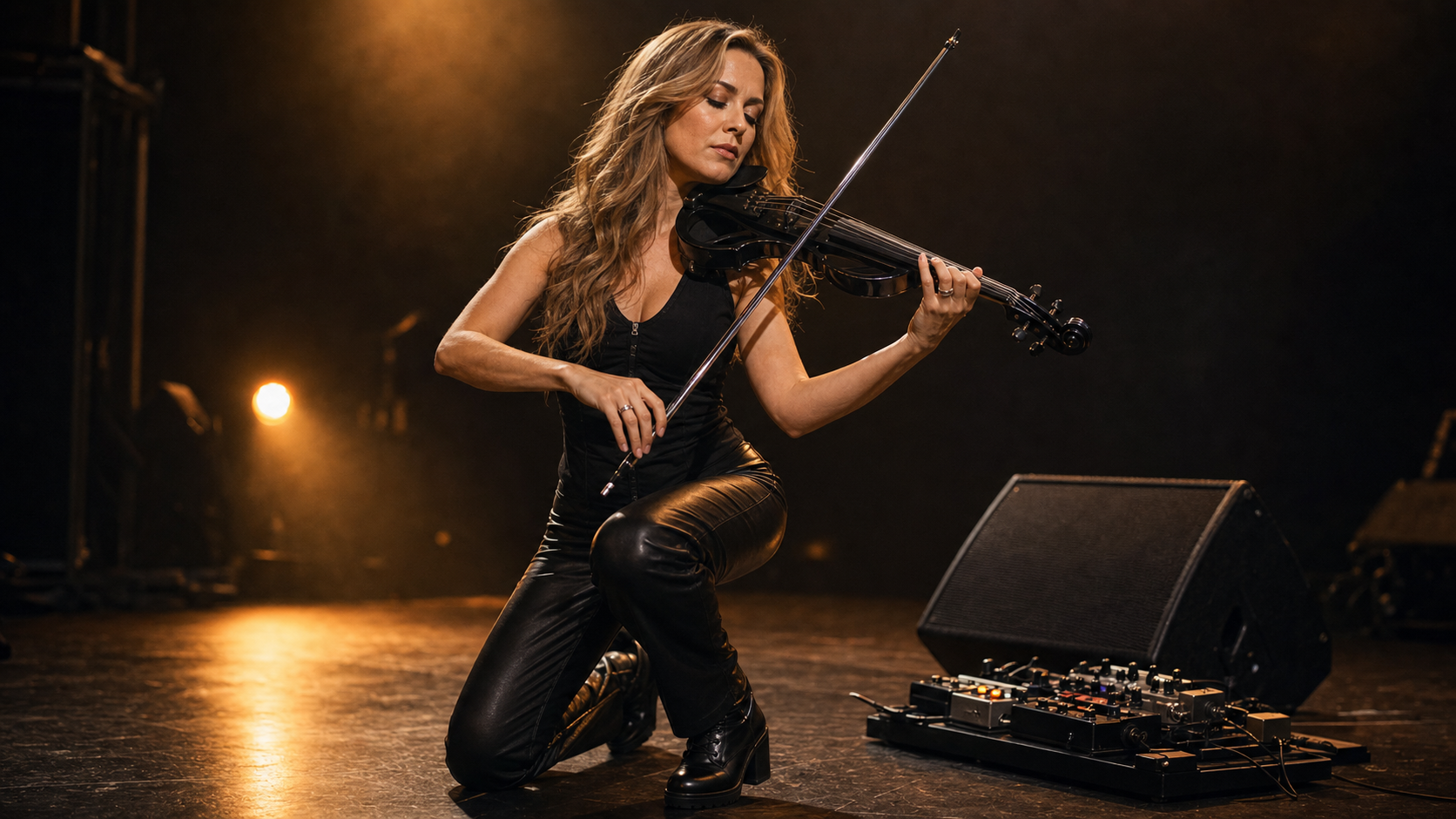
Who should step up to Diamond GX?
The Diamond GX is the bow for players whose whole rig is already serious. CodaBow frames it as a five-star level bow with complex sound and commanding projection. That makes sense as a premium main bow for Tanya Strings when the violin, strings, and signal chain already deserve a more polished response. I would look at GX if the instrument is a headline tool, the calendar includes real travel, and the player knows the difference between paying for refinement and paying for bragging rights.
What does Diamond GX really buy?
It buys finishing quality. The response, projection, and feel all aim a little higher, which only matters when the rest of the performance chain is already honest enough to reveal it.
- Pros: premium projection, polished response, and stronger fit for high-level main-bow duty.
- Cons: premium price and limited value if the rest of the rig is still the weaker link.
See the official CodaBow Diamond GX page · Find CodaBow Diamond GX options on Amazon
What should budget-minded players buy instead?
If you want sensible value, I would split the answer in two. The Fiddlerman Carbon Fiber Violin Bow is the better lower-cost buy when you need a practical first carbon bow or backup bow. Fiddlershop positions it as a professional-level bow without a professional price tag, with durability, balance, and responsiveness at the center. CodaBow Prodigy is the stronger answer when you want a more obviously serious spare bow from a performance-focused carbon line. Both make sense. The choice depends on whether your budget is saying value first or confidence first.
How would Tanya split Fiddlerman and Prodigy?
I would use Fiddlerman as the smart value buy and Prodigy as the smarter long-term spare if I already trusted the CodaBow feel and wanted my backup to feel more aligned with a premium main bow.
- Pros: lower financial risk, better travel practicality than a fragile spare, and real usefulness for rehearsals and second cases.
- Cons: less refinement and less reason to expect headline-bow nuance at this price level.
See the official Fiddlerman Carbon Fiber page · Find Fiddlerman Carbon Fiber options on Amazon
See the official CodaBow Prodigy page · Find CodaBow Prodigy options on Amazon
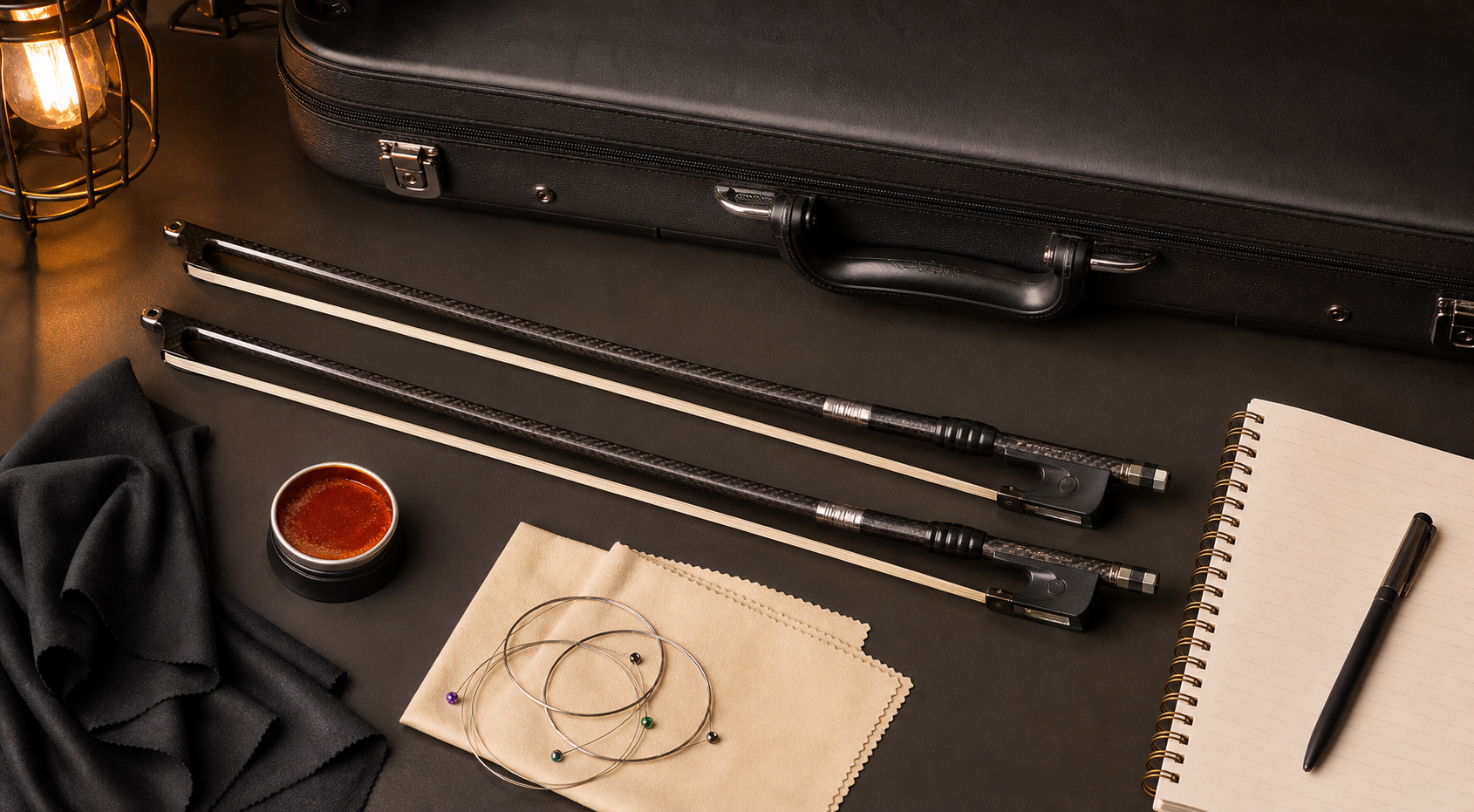
Why do carbon fiber bows make so much sense for electric violin stage work?
Because stage work is not a controlled studio life. Travel, humidity, hot lights, rushed setup changes, outdoor ceremonies, and fast pack-downs all push gear in ways quiet practice rooms do not. CodaBow's overview of carbon fiber bow types leans into consistency, durability, and performance design, and that is the exact live logic I care about. Tanya Strings is a performer and content creator, not a museum conservator. I want a bow that keeps showing up with the same personality when the week gets messy.
How should Tanya Strings choose a carbon fiber bow for her real rig?
- Start with response: the first attack should feel immediate and calm, not sticky or vague.
- Test the middle first: most stage phrasing lives in the practical middle, not in showroom extremes.
- Match the bow to the strings: bright strings plus a firmer bow can become harder than you expect.
- Buy for the calendar: flights, summer ceremonies, and long event days reward stability and backup planning.
- Respect your hand: a bow that looks premium but makes the wrist or thumb cautious is not helping the show.
- Upgrade in order: if the pickup path or monitor picture is still wrong, fix that before chasing the most expensive bow.
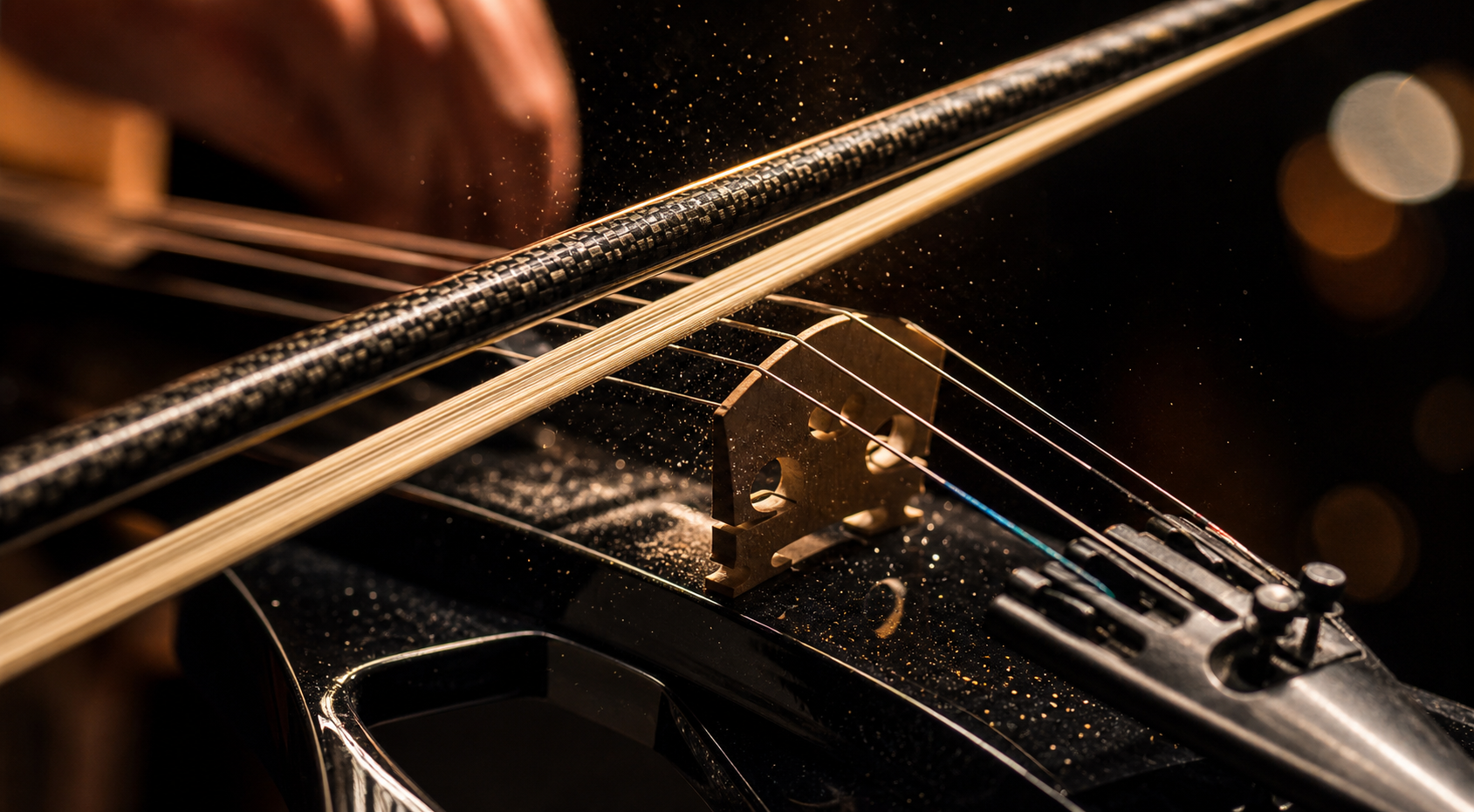
When is it worth paying for a premium bow instead of staying practical?
Pay for the premium bow when the rest of the rig is already disciplined. If the violin is good, the strings are right, the pickup translation is clean, and the monitor path is honest, then a better bow can absolutely sharpen the whole show. If those things are still unstable, the bow upgrade becomes too expensive a rescue attempt. That is why I rank NX above GX for most players. The NX is easier to justify earlier. The GX becomes smart later.
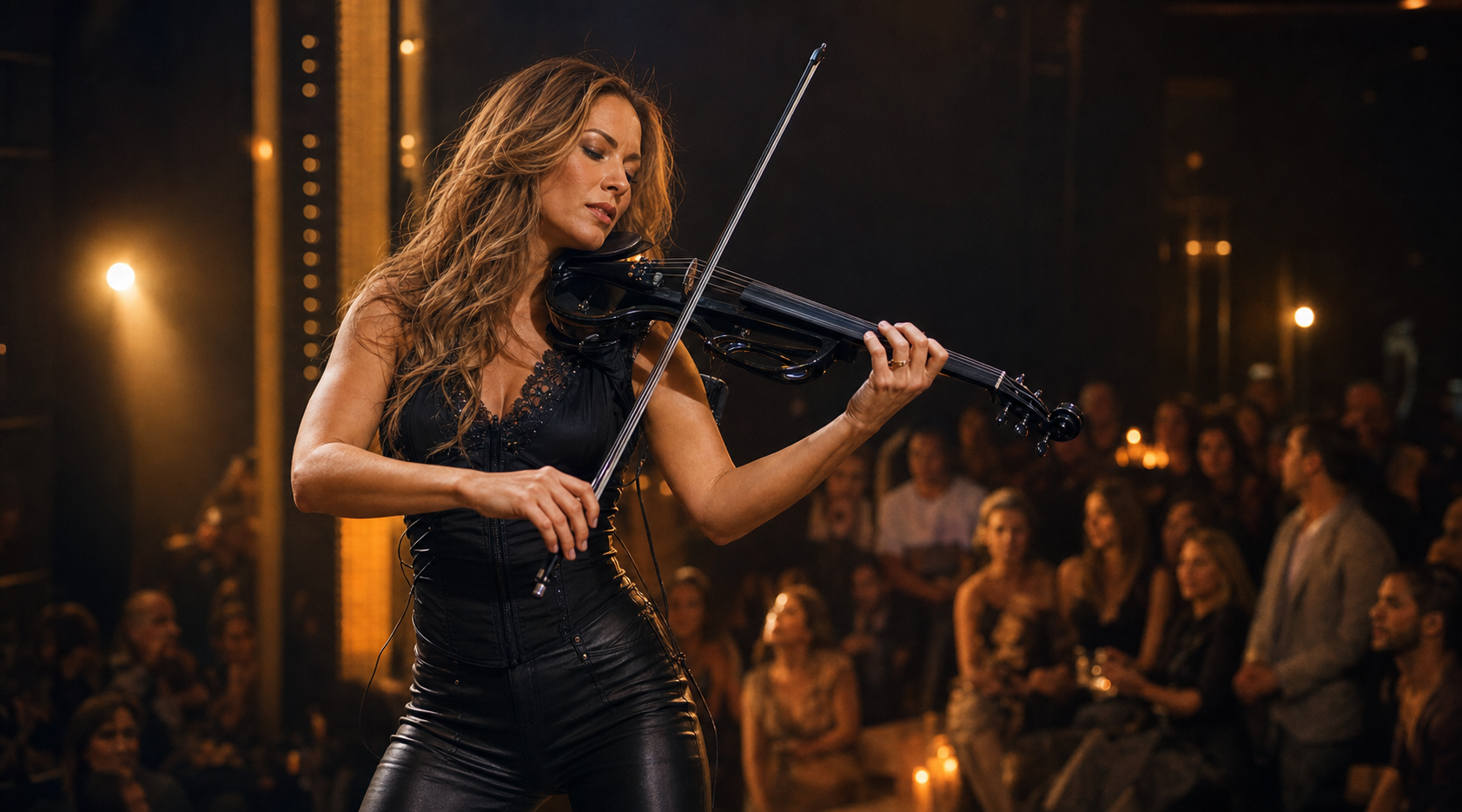
Which carbon fiber bow would Tanya Strings buy for different budgets?
- Best overall: CodaBow Diamond NX.
- Best premium step-up: CodaBow Diamond SX.
- Best luxury main-bow choice: CodaBow Diamond GX.
- Best value buy: Fiddlerman Carbon Fiber Violin Bow.
- Best backup-bow move: CodaBow Prodigy.
FAQ
Do electric violinists really need a dedicated backup bow?
Yes, if live work is real work. A backup bow is cheap insurance compared with a disrupted show, outdoor weather, airline damage, or a simple accident during load-in.
Is carbon fiber always better than wood for electric violin?
Not always. Some players still prefer a specific wood bow feel. But for touring consistency, weather tolerance, and stage practicality, carbon fiber is often the smarter working choice.
Should the bow budget be bigger than the string budget?
Usually no. Strings, pickup translation, and the bow all matter together. I would avoid overspending on one premium bow while the rest of the rig still feels unresolved.
What is the safest first upgrade from a basic factory bow?
For most electric violinists, it is CodaBow Diamond NX if the budget is ready for a serious main bow, or Fiddlerman Carbon Fiber if the goal is a sensible value step with less financial risk.