News · 2026-07-08
Violin News Roundup: Ojai's Modern Charge, Gil Shaham's New Concerto Pairing, and MTT's Public Memorial
As of Wednesday, July 8, 2026, the sharpest violin story is not one celebrity entrance. It is how institutions and artists are framing risk, repertoire, and legacy in public. The official Ojai Festival schedule placed Geneva Lewis and Leila Josefowicz inside a demanding modern program under Esa-Pekka Salonen, while the festival's OJAILIVE replays kept that work accessible after the weekend. In a July 3 Guardian review, Gil Shaham's new Coleridge-Taylor and Dvořák album landed as a real repertoire statement. And on July 2, the San Francisco Chronicle reported the San Francisco Symphony's public memorial plan for Michael Tilson Thomas.
Follow Tanya Strings on Google
Add the site as a preferred source to see more new violin posts from Tanya Strings in Google.
What did Ojai prove about modern violin programming this week?
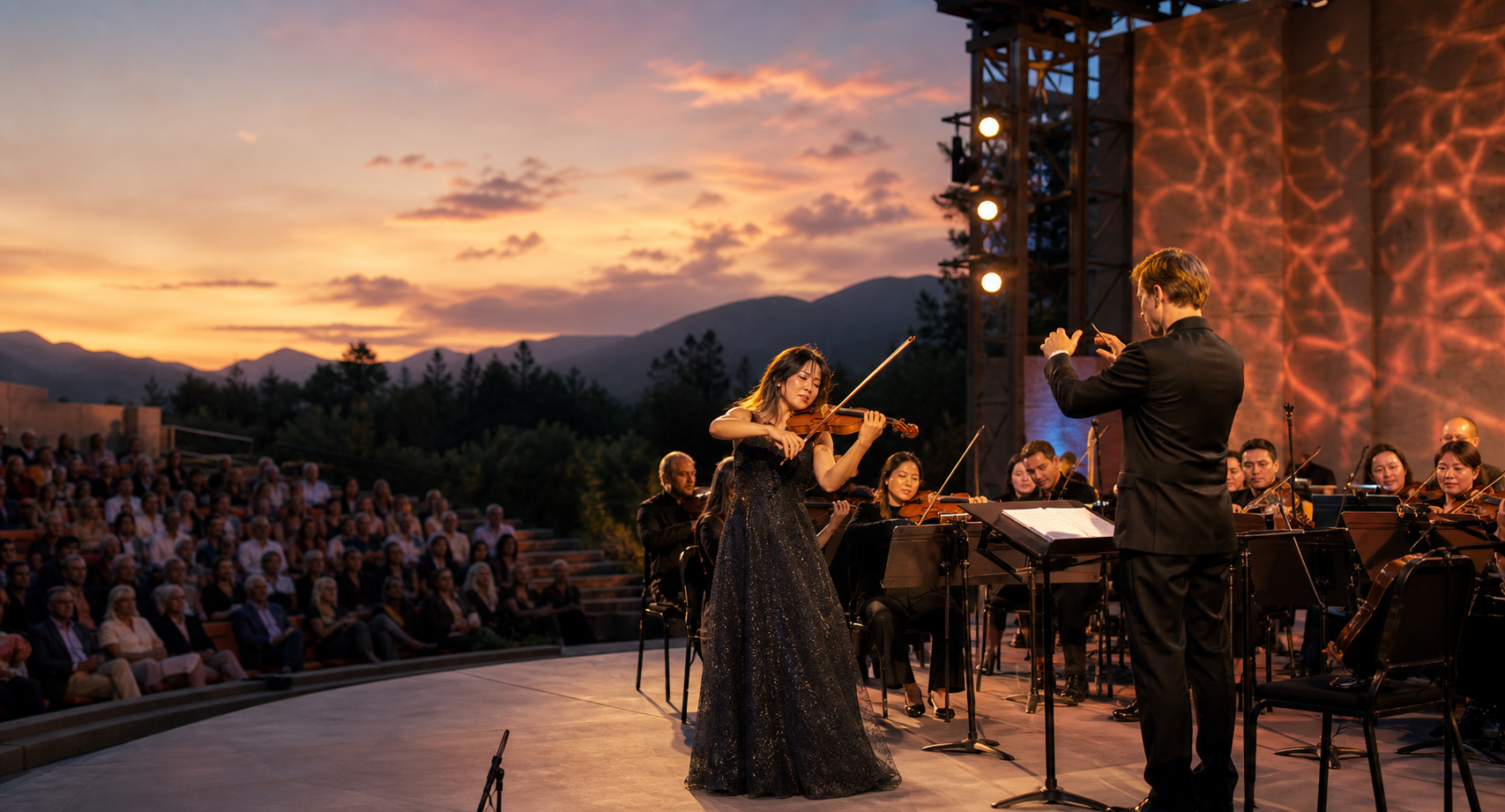
The official Ojai schedule gives a precise answer: if you want violin to feel current, place it in the center of serious music-making and trust the audience. On June 11, the festival opened with Geneva Lewis in a program that ran from Reena Esmail and a U.S. premiere by Esa-Pekka Salonen to a world premiere by John Adams and Messiaen's Quartet for the End of Time. On June 13, the same page showed Leila Josefowicz in a morning concert with Salonen miniatures and Adams's Road Movies, before Geneva Lewis returned that evening with the LA Phil New Music Group. That is a strong programming message. Violin is being asked to carry contemporary language, chamber precision, and public visibility at once. The extra detail that matters for fans outside California is that Ojai also posted full 2026 concert replays, which turns a four-day event into a longer public conversation.
Tanya's performer take: this is the kind of curation that keeps violin credible. Audiences do not need the instrument simplified. They need it presented with conviction, context, and players who can make difficult music feel alive.
Why does Gil Shaham's new concerto pairing matter beyond one good review?
Because the July 3 Guardian write-up is really praising a programming decision as much as a performance. The album pairs Samuel Coleridge-Taylor's Violin Concerto with Dvořák's Violin Concerto, with Shaham joined by Eric Jacobsen and the Virginia Symphony Orchestra. The review argues that the coupling works because both composers absorb folk influence without sounding interchangeable, and because Shaham gives each score enough character to avoid a generic prestige sheen. It also notes the inclusion of Curtis Stewart's The Famous People as an encore, which pushes the release away from museum behavior and toward a more active conversation about lineage. That matters for violinists and content creators because recording culture is crowded. A release gets attention now when the artistic argument is visible before the first note. For presenters and media teams, this is the same lesson in another format: smart framing beats passive catalog maintenance.
Tanya's performer take: violin projects travel further when the repertoire tells a clear story. Technique opens the door, but concept is what makes listeners remember why this album had to exist now.

What does the Michael Tilson Thomas memorial announcement signal for the wider music field?
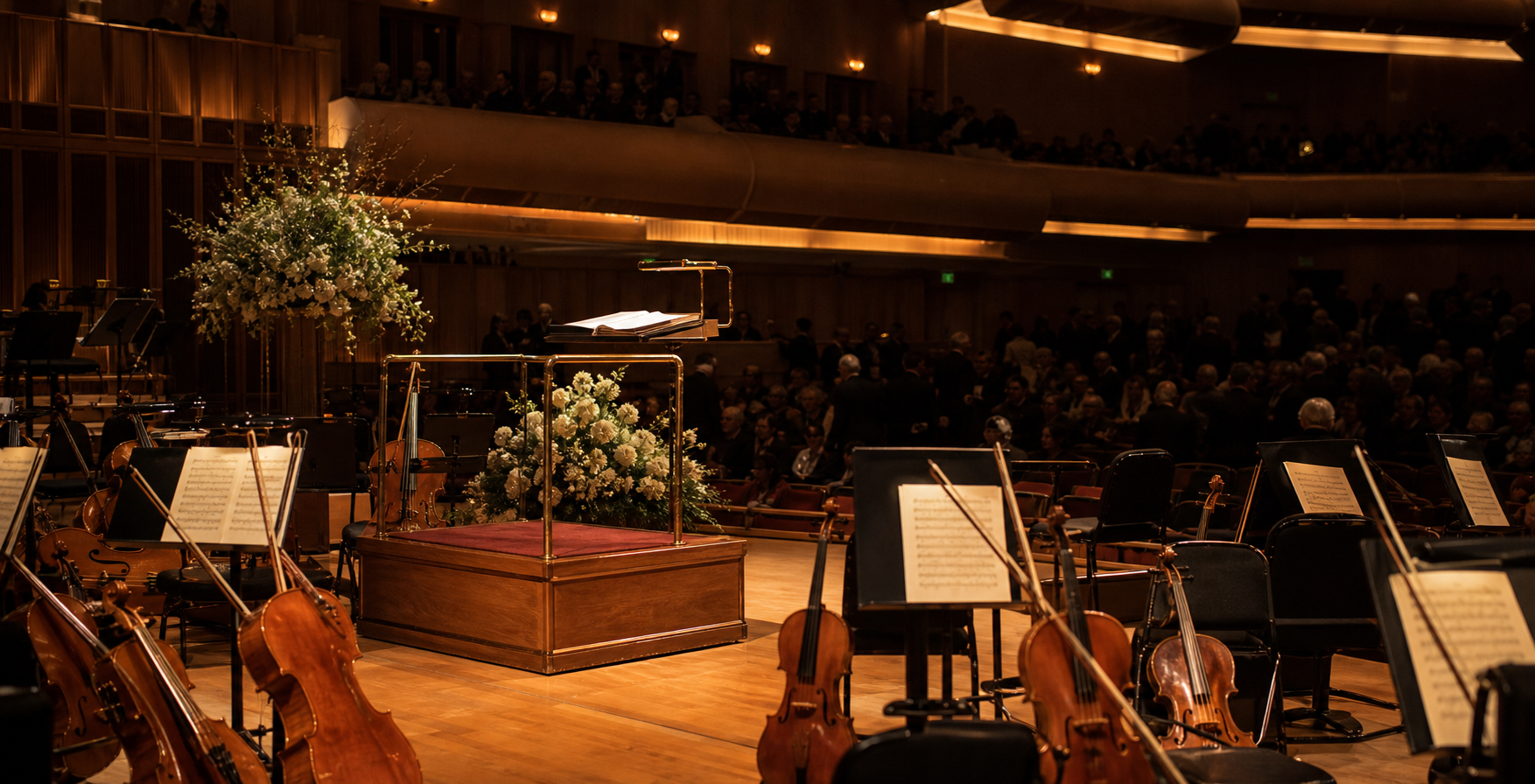
It signals that legacy is now part of active season planning, not a side note after the calendar is built. On July 2, the San Francisco Chronicle reported that the San Francisco Symphony will hold A Concert for MTT on October 2 at Davies Symphony Hall, with personal tributes, archival materials, and performances involving Teddy Abrams, Edwin Outwater, Sasha Cooke, Audra McDonald, Jean-Yves Thibaudet, and Yuja Wang. The story also notes a Michael Tilson Thomas Legacy Fund. For violinists, this reaches beyond conductor history. Tilson Thomas spent decades shaping the kind of American orchestral culture where adventurous programming, media work, and educational identity could sit together. For event planners, the practical point is just as important: memorial events can deepen audience loyalty when they are built as meaningful public rituals rather than private industry gestures. The strongest institutions know how to honor a figure while also showing the community what values continue after him.
Tanya's performer take: tribute programming works when it carries artistic memory forward. People return when they feel the event honors a person and still says something urgent about the future of live music.
What should violinists, presenters, and music fans track next?
- Watch whether more summer festivals place violinists inside demanding contemporary programs instead of limiting them to familiar calling-card slots.
- Track recordings that make a strong repertoire argument on paper before the marketing copy starts to flatten them.
- Notice which memorial and legacy events create real public meaning, because those are the organizations most likely to keep audiences close in a crowded season.
- The July 8 lesson is direct: violin holds attention best when programming, storytelling, and institutional memory all move in the same direction.