News · 2026-07-16
Violin News Roundup: Verbier Opens, the Proms Reset the Scale, and the Summer Pipeline Gets Clearer
As of Thursday, July 16, 2026, the most useful violin news is not only which soloist has the biggest headline. It is how the summer circuit is showing what a serious string ecosystem looks like in practice. The official Verbier Festival homepage says the 2026 festival runs from July 16 to August 2 and that tickets are on sale now. A Times preview published on July 16 reports that this year’s BBC Proms runs from July 17 to September 12 with £8 promming tickets. And the current sites for Tanglewood and Music Academy of the West make the summer pipeline unusually visible, from arts-administration training to active violin masterclasses.
Follow Tanya Strings on Google
Add the site as a preferred source to see more new violin posts from Tanya Strings in Google.
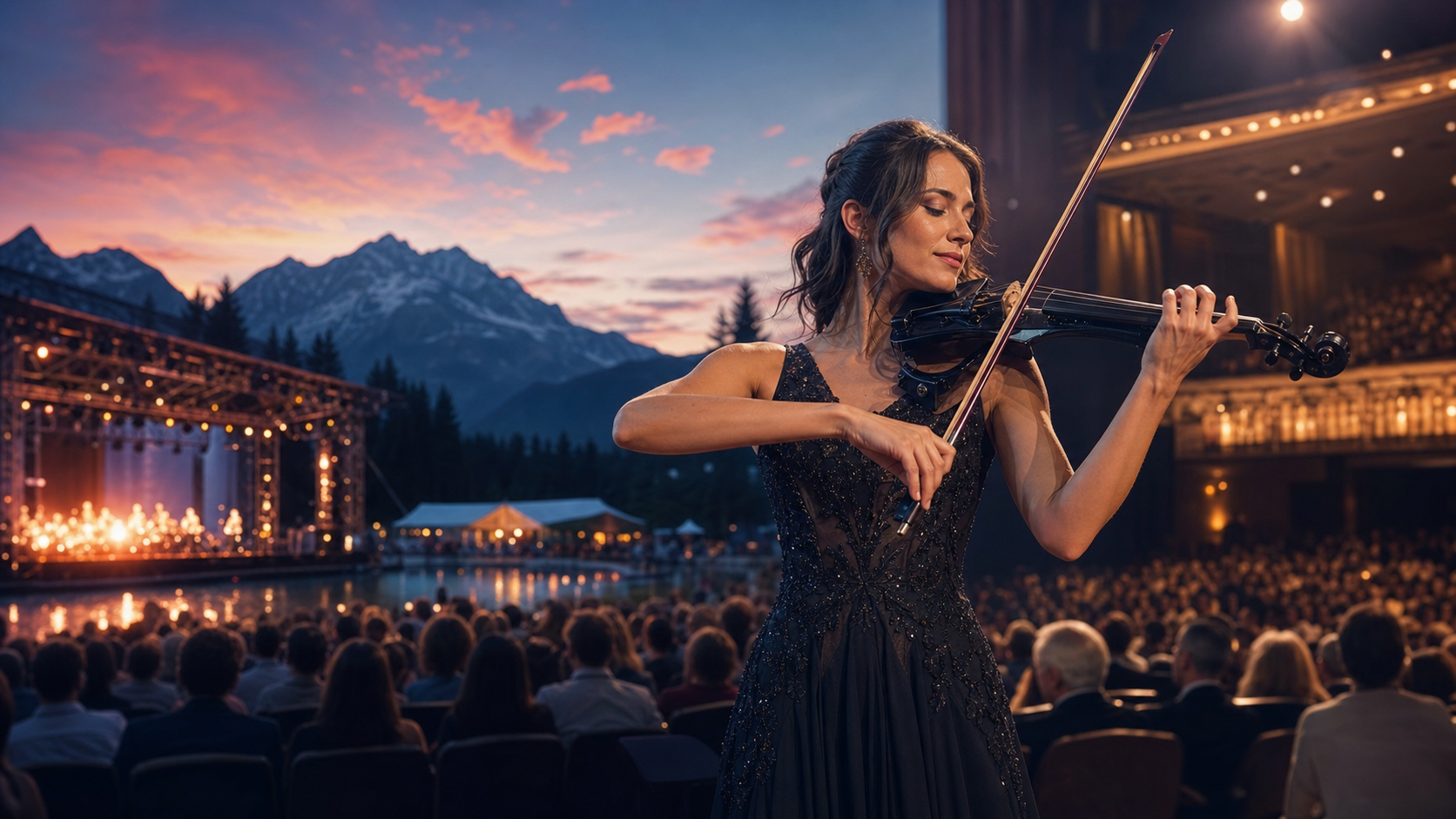
What makes Verbier’s opening day bigger than a luxury-festival headline?
Because the official site does not present Verbier as one glamorous concert series and stop there. On the same homepage, the festival places its Academy programmes, Masterclasses Verbier 2026, orchestra training streams, UNLTD summer platform, and broadcast and streaming offer right beside the main ticketed experience. The homepage also explicitly points to its Apple Music Classical partnership. That matters because it shows a top-tier summer festival behaving like a full-stack music institution. For violinists, the message is clear: the modern prestige festival is not only about appearing in one elite slot. It is about being legible inside a wider machine that trains players, creates digital afterlife, builds younger audiences, and keeps multiple entry points open at once.
Tanya’s performer take: this is the level serious string players should study. If a festival wants lasting impact, the stage is only the visible front end. The real strength is the structure behind it.
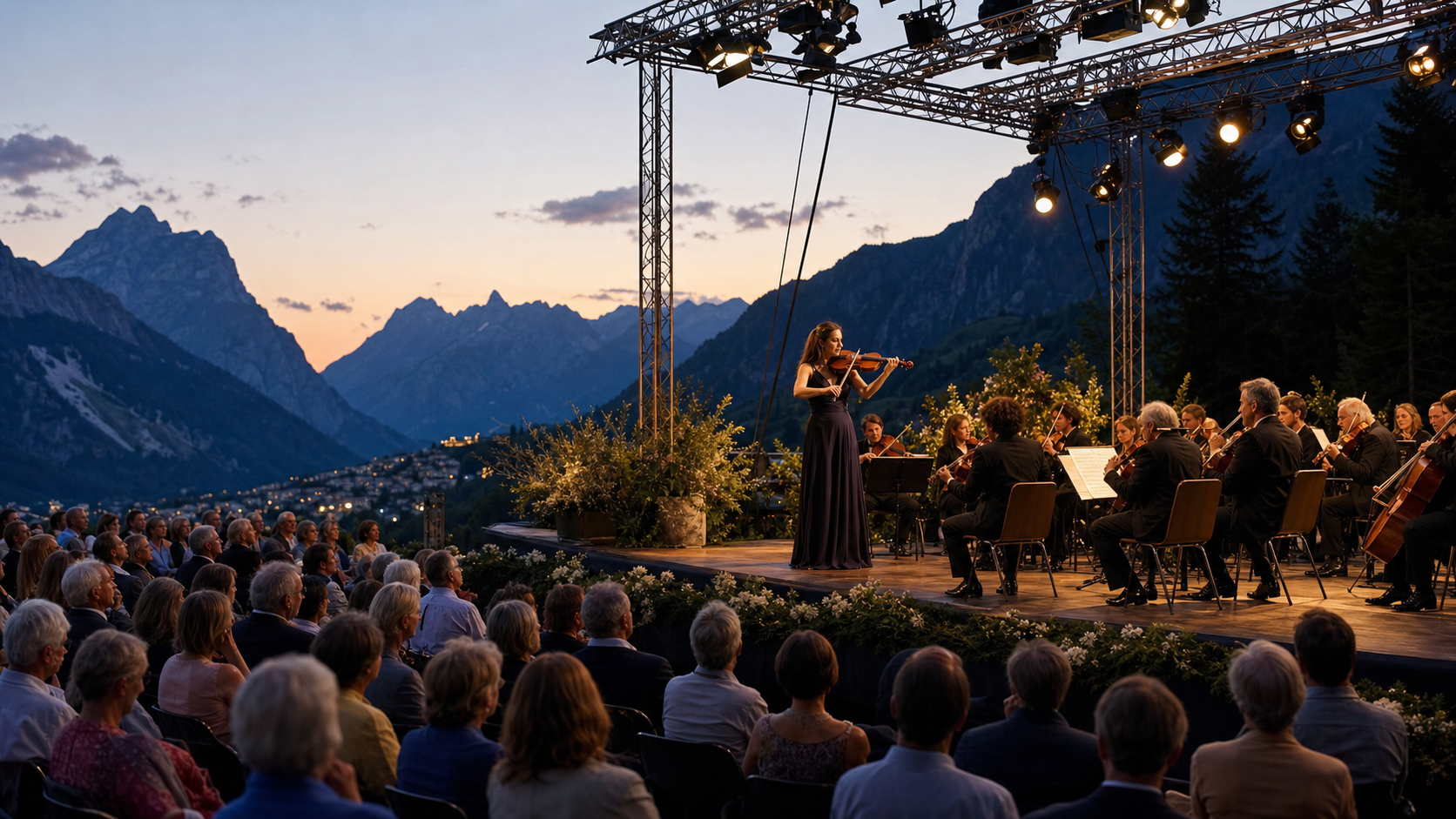
Why does the Proms model still matter to violinists and event planners in 2026?
Because scale still matters when it is paired with low-friction access. In its July 16 preview, The Times reports that the 2026 season runs from July 17 to September 12 and keeps promming tickets at £8 while also carrying major international artists and wide broadcast availability. A separate Guardian preview published on July 15 frames the season as a serious new-music platform rather than a museum piece. Put those together and the lesson is useful. The Proms still works as a benchmark because it combines audience scale, affordability, and cultural weight. For violinists and classical-crossover performers, that is a reminder that visibility does not grow only through exclusivity. It also grows when the public knows where the door is, the ticket friction is low, and the event has enough editorial identity to matter before and after the concert itself.
Tanya’s performer take: if you want the violin to keep cultural ground, you need rooms that feel open, not only rooms that feel important. The two are not the same thing, and the strongest festivals understand that.
What do Tanglewood and Music Academy of the West reveal about the real summer pipeline?
They reveal that the violin story is not just the evening program. On the current Tanglewood site, the festival highlights its Guide Program, which it says has offered college students and early professionals arts-administration experience since 1948. The same homepage points visitors toward the Tanglewood Learning Institute and an active calendar of talks, workshops, and performances. That is important for planners as much as performers. Someone has to learn how these institutions run, communicate, and serve audiences.
At the same time, the current Music Academy of the West calendar makes its training lanes unusually transparent: a Violin Masterclass running from July 2 to August 6, a Viola Masterclass from July 7 to August 4, and artist-facing events such as Jennifer Koh: Bach & Beyond on July 25. That clarity matters. Young players, content creators, and even event clients can see that serious violin culture includes rehearsal rooms, class formats, mentorship, and curation, not only polished finale moments on social media.

What should violinists, electric violinists, planners, and fans watch next?
- Watch which festivals present strings as a whole ecosystem instead of a single prestige slot.
- Track whether large institutions keep access simple enough for first-time listeners to actually enter the room.
- Notice which summer organizations make their training and backstage pathways visible, not hidden.
- The July 16 lesson is direct: violin culture looks strongest when stage glamour, audience access, and pipeline building move together.