Rosin · 2026-07-19
Best Violin Rosin for Electric Violinists Playing Hot Stage Lights and Outdoor Gigs
The best violin rosin for most electric violinists playing under hot stage lights and on outdoor gigs is Hidersine Reserve21 Light because it gives Tanya Strings the combination that amplified live playing actually needs: high grip, low dust, an all-weather profile, and a light-medium-hard feel that keeps bow response clean when the pickup and PA magnify every scratch. If you want a drier, harder hot-stage option, Pirastro Goldflex is the smarter step. D'Addario Kaplan Premium Light is the tidy low-dust value pick, CECILIA Solo is for maximum projection, Hidersine 6V Dark suits cooler nights, and Leatherwood Bespoke is the premium custom route. Buy rosin for climate and response, not reputation.
Follow Tanya Strings on Google
Add the site as a preferred source to see more new violin posts from Tanya Strings in Google.
Affiliate disclosure: Some links in this article are affiliate links. I may earn a commission if you make a purchase, at no extra cost to you.
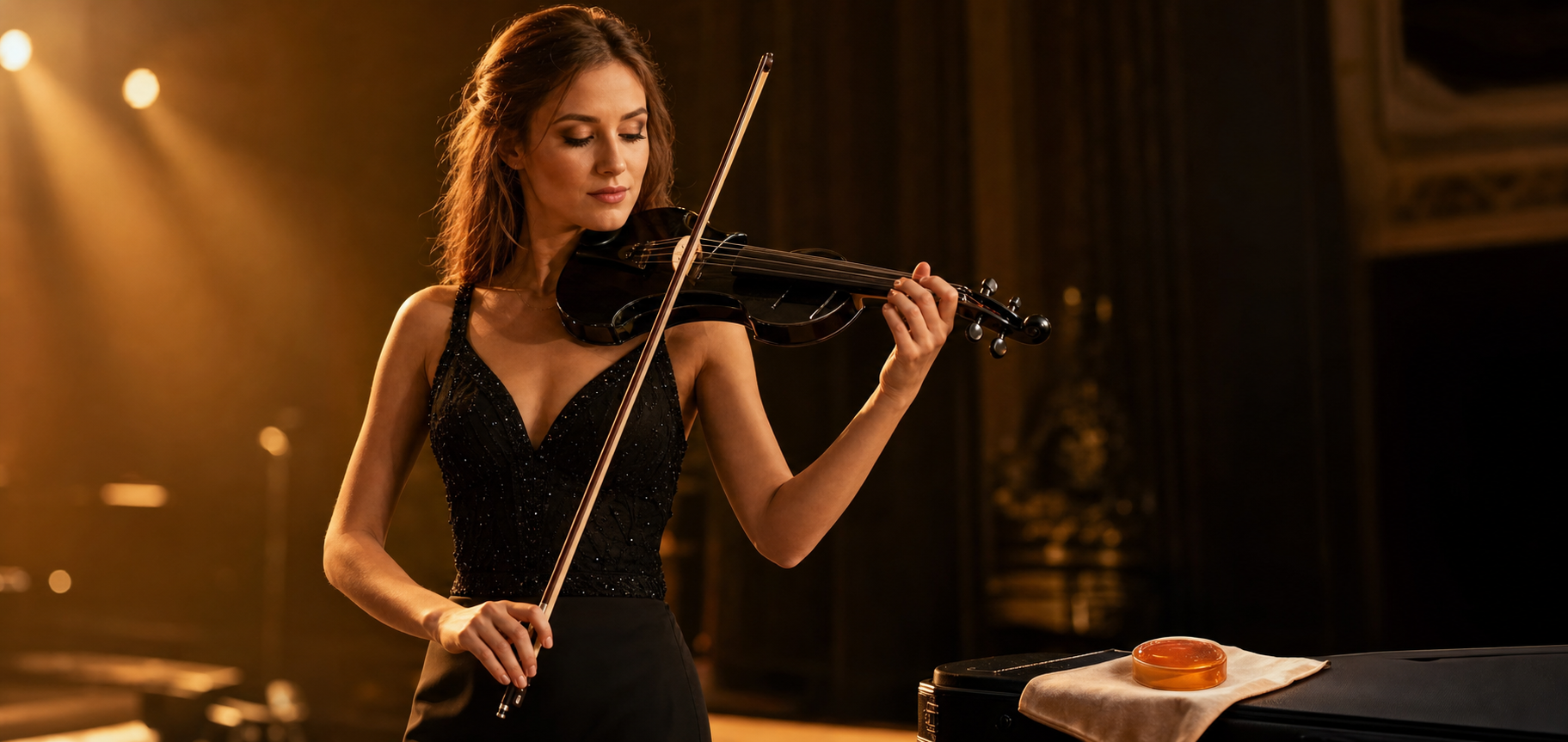
What is the best violin rosin for most electric violinists playing hot stages and outdoor gigs?
For most working players, I would start with Hidersine Reserve21 Light. Hidersine positions it as a light, medium-hard all-weather violin rosin with high grip, British beeswax, and a low-dust feel. That matters because electric violin does not forgive the same way a quiet acoustic room does. The bow either speaks cleanly through the pickup or it broadcasts scratch, hesitation, and over-rosined grit. Reserve21 Light gives Tanya Strings the most believable middle ground between grip, polish, temperature stability, and stage practicality, which is why it is my safest overall recommendation.
My performer rule: choose the rosin that keeps the first bow contact clean after the PA gets loud, not the one that only feels impressive for two minutes in a practice room.
Why does rosin matter more on electric violin than many players assume?
Because the amplified chain exaggerates small mistakes. On acoustic violin, a slightly dusty or too-sticky rosin choice can still hide inside the room. On electric violin, the pickup, preamp, compression, and venue system expose the front edge of every note. If the bow feels grabby, the audience hears bite. If the rosin is too dry, the attack gets thin and nervous. If you are already working with the right strings, a dependable pickup path, and a stable stage setup, rosin becomes one of the cheapest ways to make the bow feel calmer and the sound more repeatable.
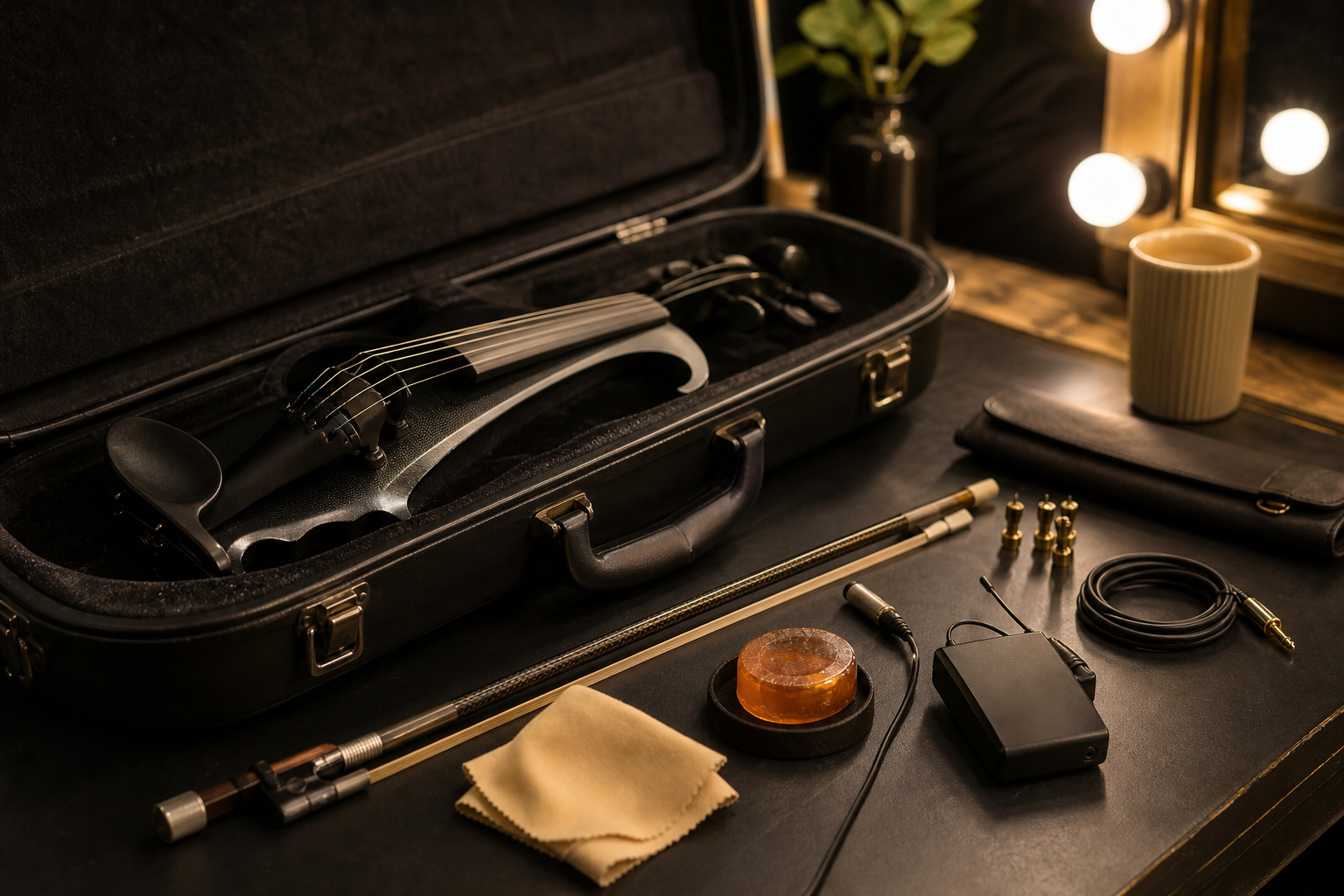
Which violin rosins are worth buying right now?
This shortlist stays focused on current rosins with clear reasons to exist for real stage work: cleaner attack, better climate behavior, lower dust, stronger projection, or a more precise custom feel for modern performer rigs.
| Product | Best for | Why Tanya would use it | Watch out for | Links |
|---|---|---|---|---|
| Hidersine Reserve21 Light | Most electric violinists who want one dependable all-weather stage rosin | I trust it because it balances high grip, low dust, and a composed bow feel that stays believable across indoor venues and outdoor dates. | It is premium enough that casual players may not need it if they rarely perform amplified. | Official · Amazon |
| Pirastro Goldflex | Players who want a slightly harder general-use rosin for hot stages and fast bow starts | I would reach for it when the venue is warm, the bow needs a cleaner front edge, and I want less gummy behavior under strong lights. | If your bow already feels dry or the weather is cool, it can feel less forgiving than you want. | Official · Amazon |
| D'Addario Kaplan Premium Light | Warm venues, lower dust priorities, and players who want a tidy practical light rosin | I like it when I want a clean low-dust formula, less grip than dark rosin, and an easy case that survives repeated gig-bag life. | If your setup already feels slippery outdoors at night, the light formula may not give enough bite. | Official · Amazon |
| CECILIA Solo | Lead lines, louder crossover sets, and players who need maximum projection and articulation | I would use it when the violin must stay vivid over tracks or a dense band and I want a stronger, more stable bowing sensation. | Some players will find it too assertive for soft passages or delicate room acoustics. | Official · Amazon |
| Hidersine 6V Dark | Cooler evenings, colder climates, and players who want richer articulation with more softness | I would buy it when the bow needs extra grip and the stage conditions make lighter rosins feel too glassy or thin. | Under very hot lights or humid sticky rooms it can become more grip than some electric rigs want. | Official · Amazon |
| Leatherwood Bespoke Violin Rosin | Premium players who want to tune attack, texture, warmth, and clarity around a specific rig | I would explore it when I want a rosin that can be pushed toward supple, crisp, or bespoke electric-violin behavior instead of settling for a generic compromise. | It is a premium spend, and custom nuance only matters if the rest of the setup is already disciplined. | Official · Amazon |
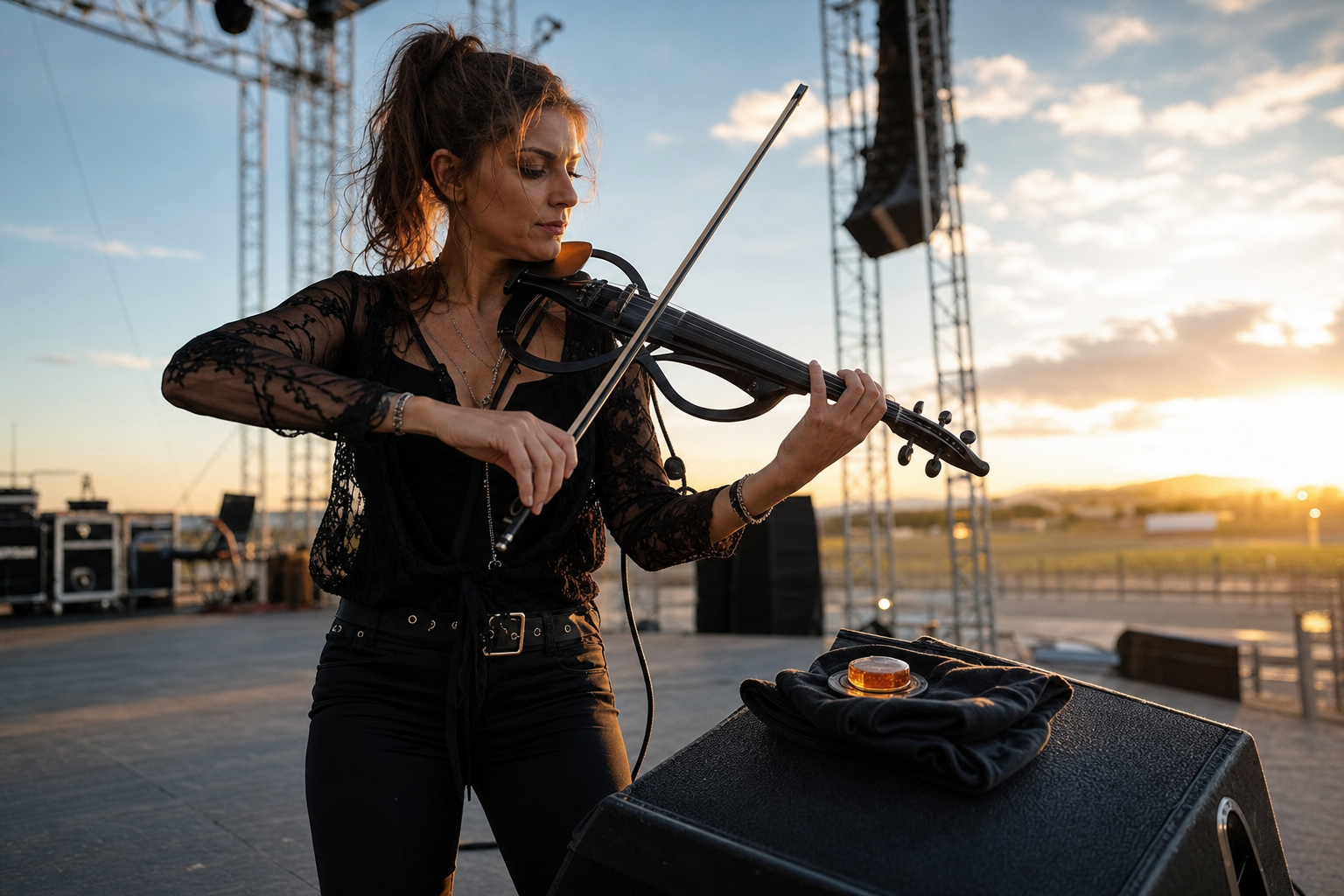
Why is Hidersine Reserve21 Light my best overall pick?
Reserve21 Light is the most complete answer because it is built like a premium violin rosin but behaves like a working tool. Hidersine describes it as an exquisite handmade violin rosin enriched with British beeswax that delivers low dust, high grip, a warm-yet-strident character, and a temperature profile for temperate and all-weather use. That reads exactly like what a serious electric violin performer needs. Tanya Strings does not want a bow feel that turns gummy under lights or nervous when the outdoor air changes. I want stable contact, enough grip to trust fast bow starts, and low enough dust that the amplified rig stays clean instead of gritty.
Who should buy Hidersine Reserve21 Light first?
Buy it first if your calendar mixes theater shows, weddings, clubs, filmed performances, and outdoor dates, and you want one rosin that stays useful through that whole schedule.
- Pros: high grip, low dust, all-weather profile, beeswax-enhanced feel, and a polished stage-first response.
- Cons: higher spend than basic rosins, and most worthwhile when you actually perform enough to notice the difference.
See Hidersine Reserve21 Light · Find Reserve21 Light options on Amazon
When should you buy Pirastro Goldflex or D'Addario Kaplan Premium Light?
Buy one of them when the main question is not maximum grip, but the exact way the bow starts and releases in warmer conditions.
Why would Tanya Strings choose Pirastro Goldflex?
Pirastro describes Goldflex as a slightly harder general-use rosin mixed with golden metal powder. Their broader rosin guidance also says violinists usually favor harder, drier rosins, steel strings play more easily with hard dry rosin, and hard rosin works better in tropical climates while softer rosin helps in colder ones. That logic translates well to electric violin. If the stage is hot, the strings are quick, and the amplified tone already borders on sticky, Goldflex is a smart way to keep the response clean and fast instead of smeared.
- Pros: quicker cleaner release, good fit for warm stages, and a safer harder feel for players who dislike gummy contact.
- Cons: less forgiving in cooler weather and less helpful if your bow already feels dry or under-gripping.
See the Pirastro rosin chart · Find Goldflex options on Amazon
When is D'Addario Kaplan Premium Light the tidier practical choice?
Kaplan Premium Light makes sense when I want a low-dust rosin with less grip than the dark version and a no-drama practical format. D'Addario says Kaplan Premium rosin uses all-natural materials, is poured and packaged in New York, works with horsehair or synthetic hair bows, and comes in light and dark formulas, with light offering less grip. That gives it a clear job: warmer rooms, controlled studio work, or electric violinists who want clean attack without overcooking the strings.
- Pros: clean low-dust application, practical case, less grabby warm-venue behavior, and a sensible price-to-performance ratio.
- Cons: lighter grip can feel insufficient when the weather cools or the bow hair is already on the dry side.
See D'Addario Kaplan Premium Rosin · Find Kaplan Premium Light options on Amazon
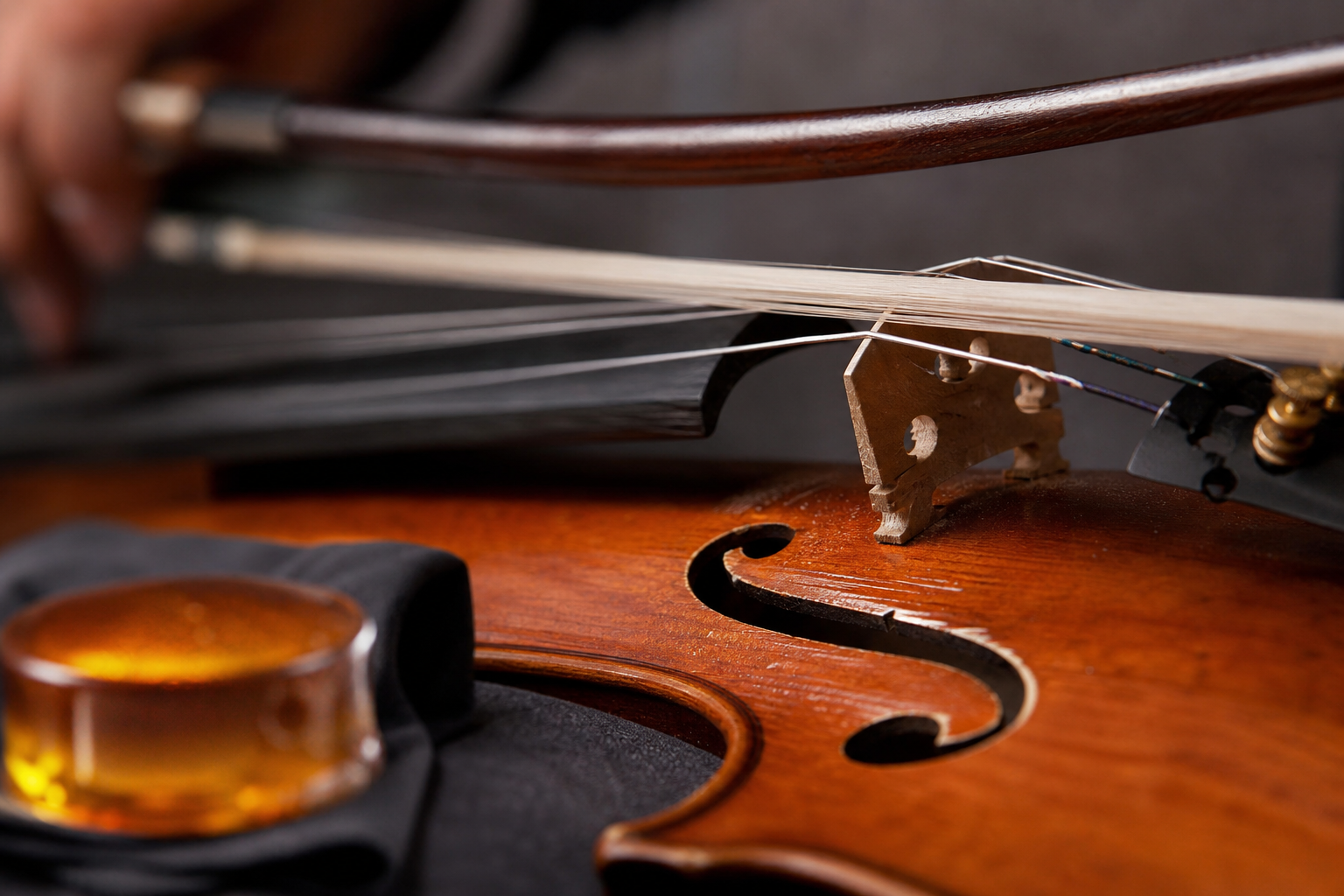
When is CECILIA Solo the right projection-first rosin?
CECILIA Solo is the choice when you want more authority in the bow than a mild all-rounder gives. Cremona in America says Solo is a long-time popular formula with strong grip, a stable bowing sensation, maximum projection, clear articulation, and forgiveness under high bow pressure. That is valuable when Tanya Strings is pushing an electric violin through bigger backing tracks, more aggressive rhythmic patterns, or louder crossover production where the instrument cannot sound polite. I would not buy it because the name feels fancy. I would buy it because the set needs the front edge and the projection it is designed to encourage.
- Pros: stronger grip, bolder articulation, very useful for solo-forward live mixes, and more confidence when the bow pressure rises.
- Cons: can feel too forceful if your real goal is softness, airy legato, or a very delicate acoustic-style response.
See CECILIA Solo · Find CECILIA Solo options on Amazon
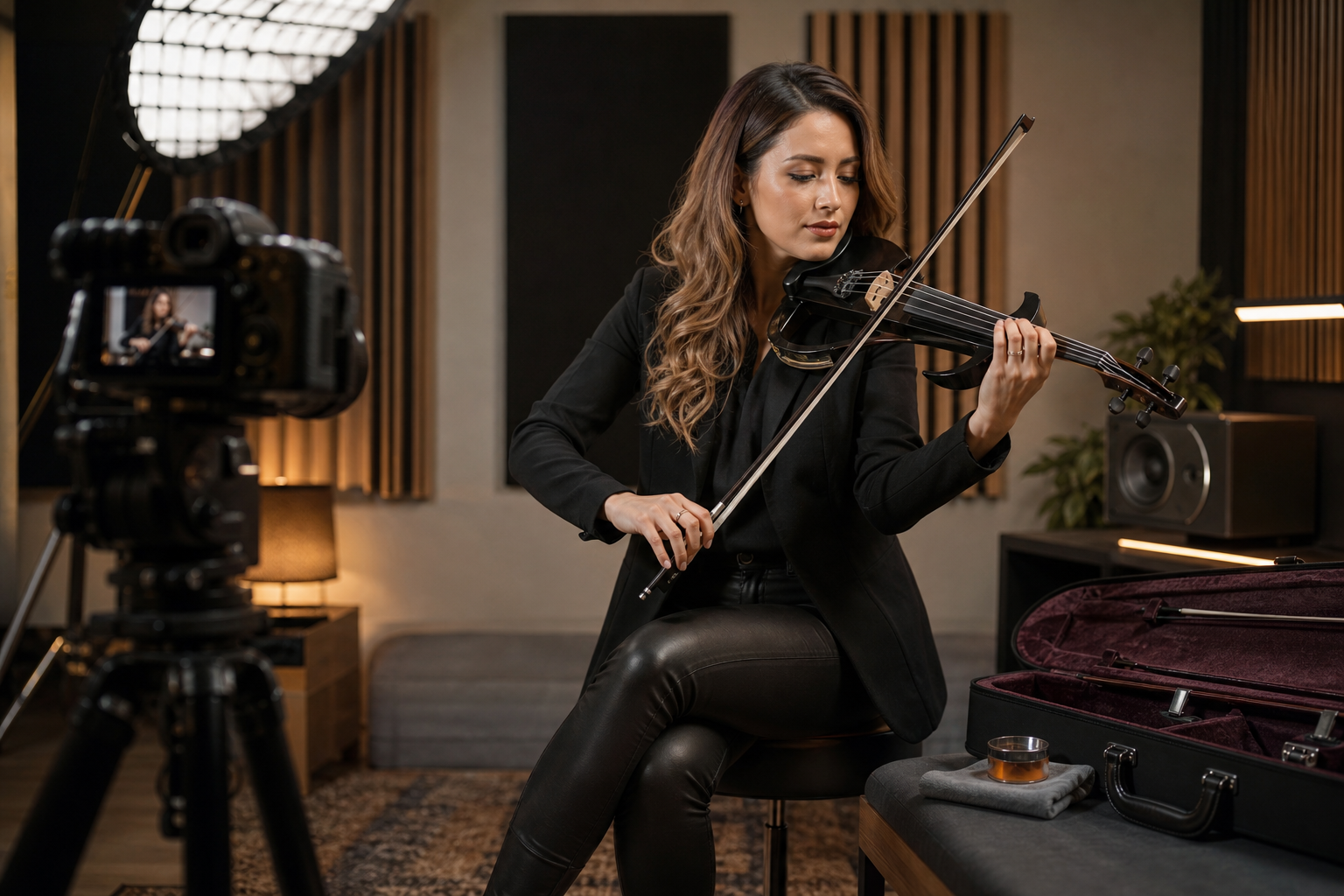
Why would you choose Hidersine 6V Dark or Leatherwood Bespoke?
You choose them when the rig needs a more specific answer than a general all-weather recommendation.
When is Hidersine 6V Dark the smarter cooler-weather buy?
Hidersine says 6V Dark is a premium dark violin rosin with superior grip and articulation, a slightly softer makeup, and a temperature profile aimed at temperate to colder climates. That makes it the right answer when a harder rosin starts feeling too glassy or too thin as the air cools down. If your outdoor set moves into the evening, or the venue is air-conditioned hard enough that the bow stops grabbing naturally, 6V Dark can put some substance back into the contact point.
- Pros: stronger grip in cooler conditions, richer articulation, and a good value route into more serious rosin behavior.
- Cons: easier to overdo on hot stages or already-bright electric rigs.
See Hidersine 6V Dark · Find Hidersine 6V options on Amazon
Why would Tanya Strings pay for Leatherwood Bespoke?
Leatherwood becomes interesting when the question is not simply light versus dark, but how you want the bow to feel on your exact instrument and performance format. Leatherwood says its violin rosin range offers supple and crisp recipes, bespoke blends, and even custom work for unusual instruments such as electric and folk instruments. Their violin blends are framed around attack, traction, texture, brightness, warmth, and clarity. That is exactly the language I care about when the electric violin is part of a premium live-and-content workflow rather than a basic student setup.
- Pros: unusually precise response shaping, strong premium identity, and rare usefulness for players dialing a very specific electric-violin feel.
- Cons: premium pricing, and wasted nuance if the rest of your rig still has larger unresolved problems.
See Leatherwood Bespoke Violin Rosin · Find Leatherwood options on Amazon
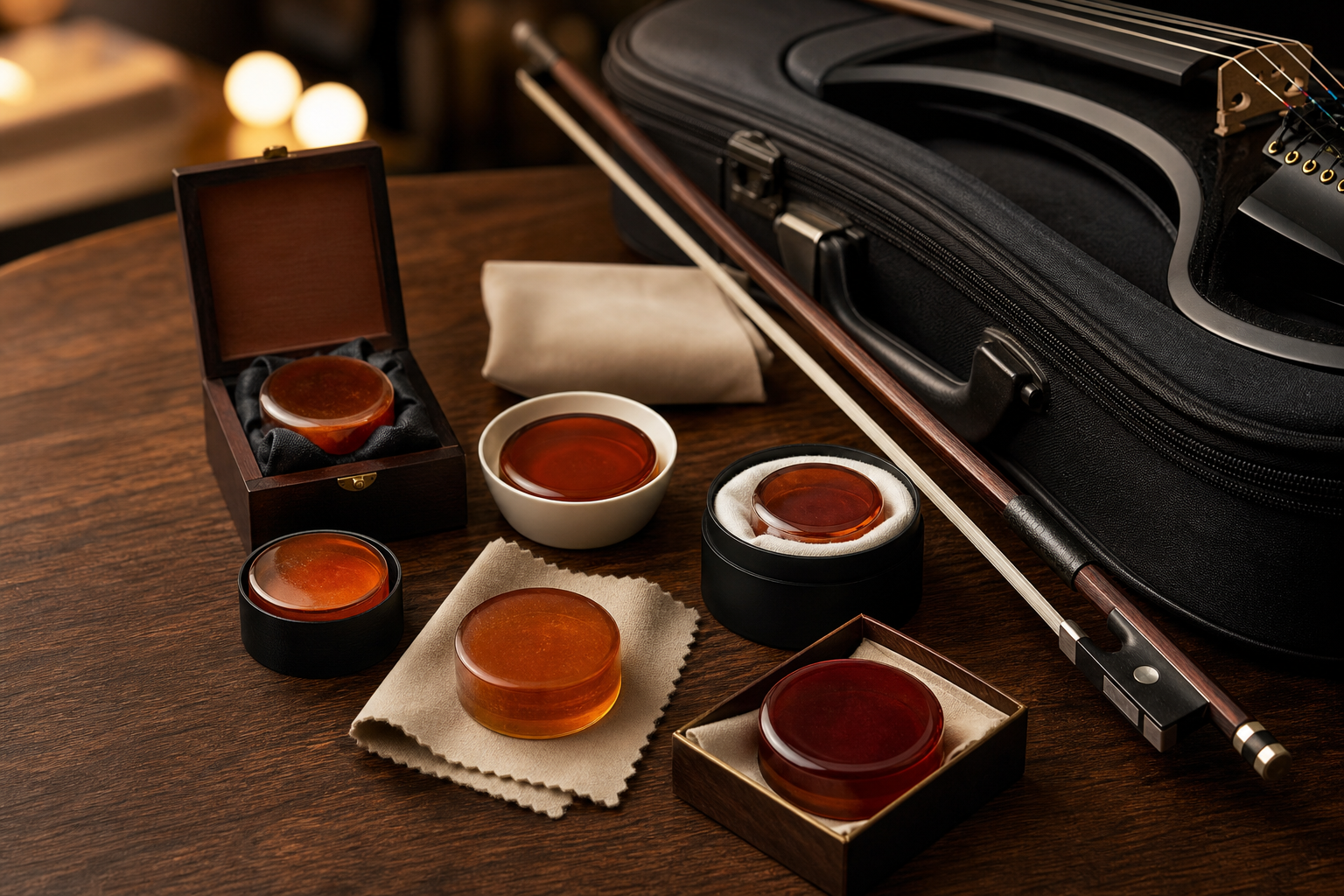
How should electric violinists buy rosin for stage lights and outdoor gigs?
Buy rosin around the environment and the amplified behavior of the instrument, not around habit.
My buying checklist:
- Start with climate: hotter venues usually favor harder or lighter rosin, while cooler evenings often reward a slightly softer darker formula.
- Match the bow response you actually need: faster cleaner starts for rhythmic amplified work, or a little more grip when the bow feels thin and skates.
- Respect the strings and pickup path: bright string choices and direct pickups often punish over-sticky rosin faster.
- Watch the dust: low-dust rosins make more sense when you are filming content, using close mics, or cleaning an electric violin between shows.
- Do not expect rosin to replace gain structure, EQ, or a good front-end preamp or DI.
Quick decision rule: if the stage is hot and the bow already feels sticky, go harder and drier. If the weather turns cool and the bow stops grabbing cleanly, move softer and grippier.
How much rosin should you use before a gig?
Less than most players think. Pirastro advises using rosin regularly but sparingly, often only once during a practice period. D'Addario says many players over-apply and suggests just a few swipes at the start of a session, followed by wiping the strings and instrument down. That lines up with my experience. Tanya Strings wants clean bow hair, a rosin that does not need constant reapplication, and a rig that stays consistent over a long day. If you keep stacking rosin every break, you usually create dust and harshness instead of security.
- Before soundcheck: start with a light application and test the attack through the monitor or PA.
- Before the show: add a little more only if the bow has clearly stopped grabbing, not because it feels comforting to do something.
- After the set: wipe the strings, body, and stick contact area so the next day starts clean.
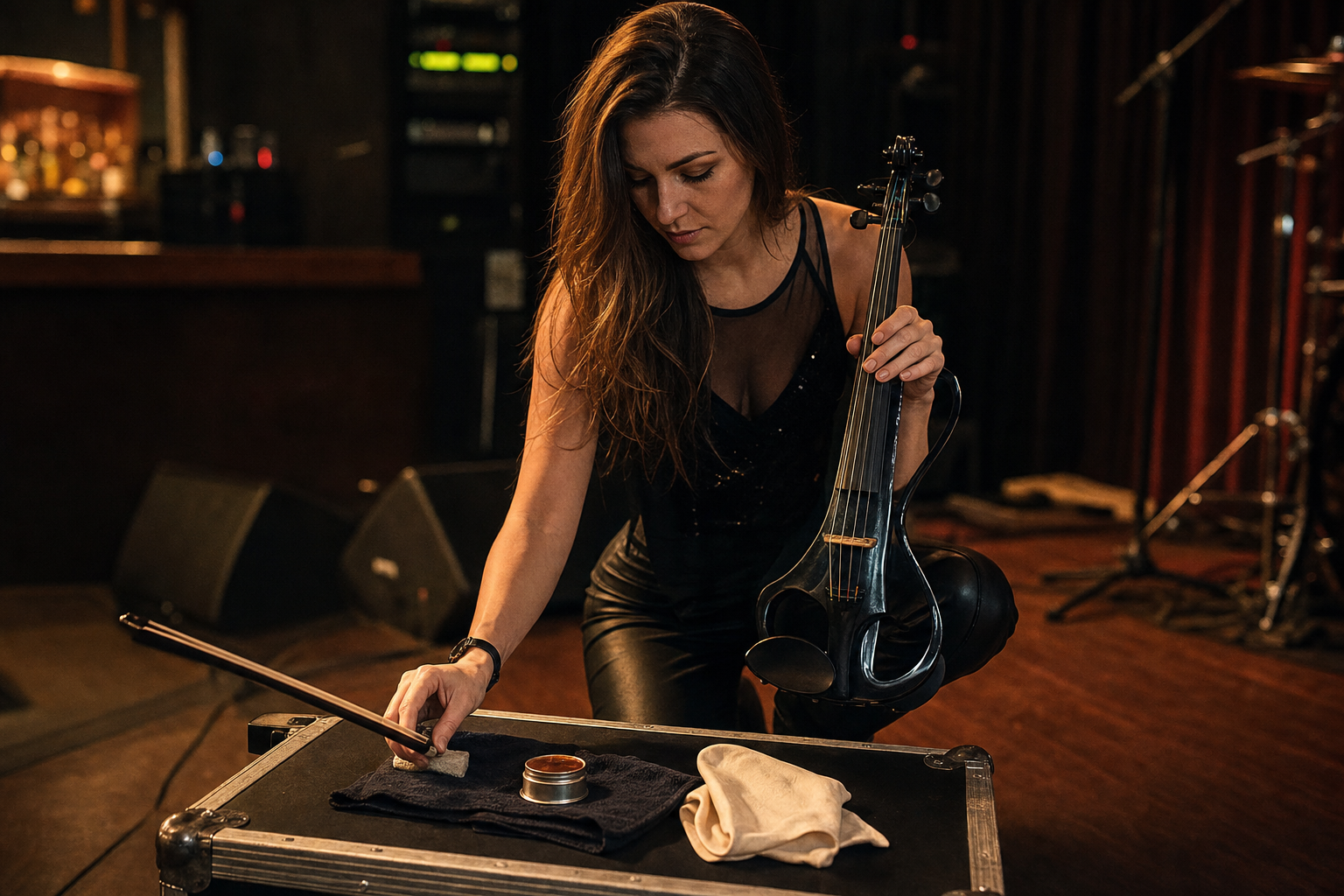
FAQ: What else should electric violinists know about rosin?
What is the best violin rosin for most electric violinists playing hot stages and outdoor gigs?
Hidersine Reserve21 Light is my safest overall pick because it combines high grip, low dust, and all-weather stability in a way that makes amplified bow response easier to trust.
Should electric violinists use light or dark rosin under hot stage lights?
Usually start with a harder or lighter rosin on hotter stages. Darker softer rosin becomes more useful when the weather cools or the bow starts feeling too dry.
Can violin rosin fix a scratchy amplified tone?
No. It can improve contact and reduce avoidable harshness, but it does not replace better strings, pickup setup, EQ, or cleaner gain staging.
How often should a gigging electric violinist reapply rosin?
Only when the bow stops speaking cleanly. Stronger rosins often last longer than people think when the bow hair and strings are kept clean.