News · 2026-09-06
Violin News Roundup: Yury Revich Reframes Vivaldi, Noa Wildschut Opens the Season, and Live Looping Reaches the Community
As of Sunday, September 6, 2026, the strongest violin signals are about how artists frame the instrument for different rooms. Tonight in Vienna, Yury Revich pairs Vivaldi with beatboxing and music by historically overlooked composers. In Amsterdam, Noa Wildschut opens a new concert season with Saint-Saëns; in Warsaw, Agata Szymczewska closes a festival with Karłowicz. On September 8 in Canberra, a free event brings electric violin, amplification, looping, and layering into an accessible community setting. Together, these dates show that world-class string performance is not one fixed format: repertoire, technology, context, and audience design all shape what listeners hear.
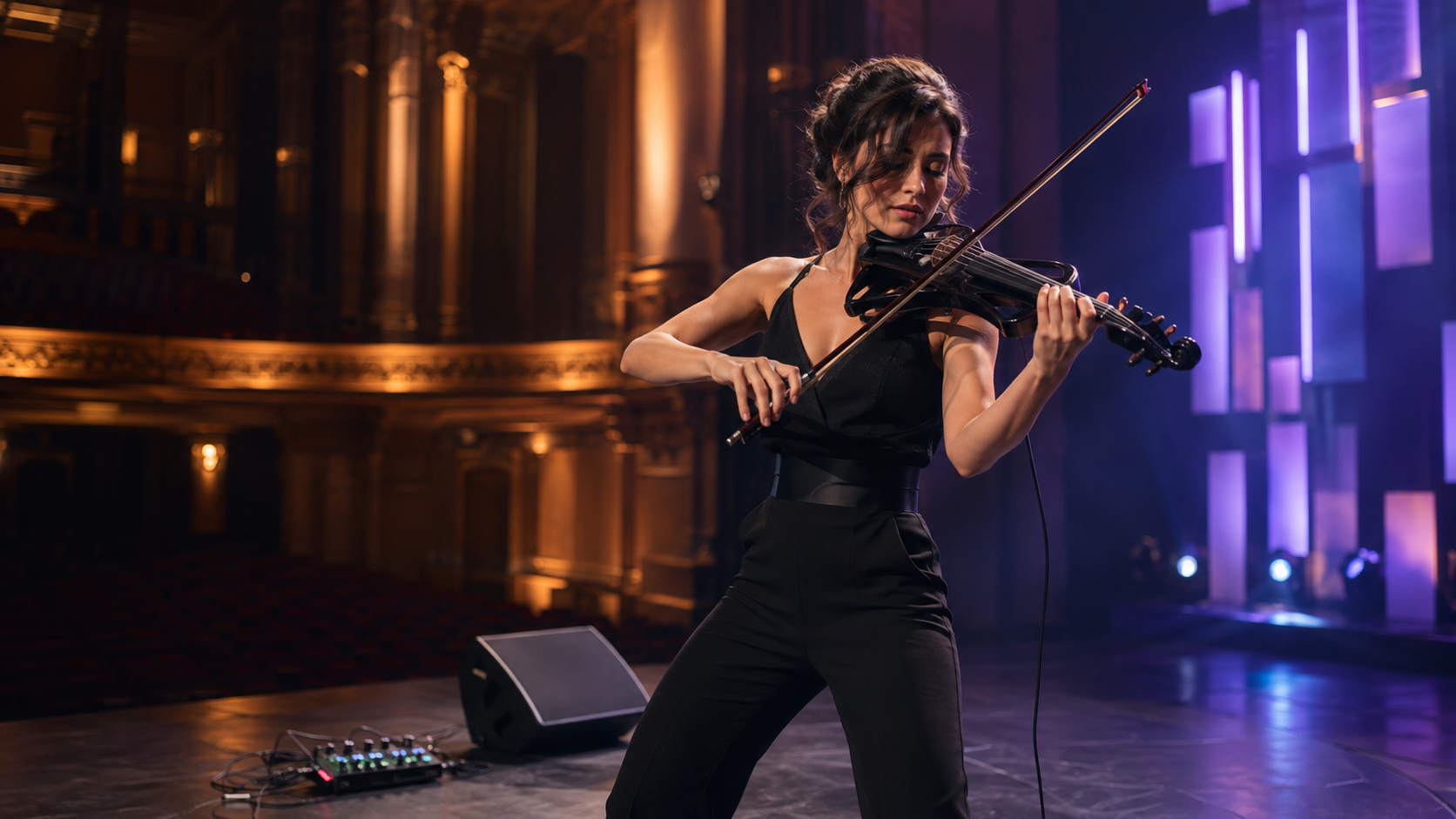
How is Yury Revich turning familiar Vivaldi into a wider story?
The Wiener Konzerthaus lists Revich’s “Classic Revolution – Vivaldi” for September 6 in the Schubert-Saal. The program keeps all four seasons in view, but refuses to present them as a sealed museum piece. Pianist Guillaume Vincent and beatboxer-vocalist Tim Slizzer join Revich, while music by Tartini, Ignatius Sancho, George Bridgetower, and Joseph Bologne, Chevalier de Saint-Georges broadens the historical frame. That matters because the concert does not abandon core violin repertoire; it changes the route through it. A familiar anchor gives the audience confidence, while contrasting creators and vocal rhythm refresh its meaning.
Tanya’s performer take: crossover works best when the concept can be heard before it is explained. Beatboxing, piano, and Vivaldi each need a clear role; then the program feels curated rather than decorated.
Why does Noa Wildschut’s season opener matter beyond one concerto?
At Amsterdam’s Concertgebouw, Wildschut performs Saint-Saëns’s Third Violin Concerto with the Residentie Orkest and conductor Andrew Grams on September 6. The hour-long Sunday Morning Concert also includes music from Bizet’s Carmen, giving the season opener a vivid French-Spanish color profile. The pairing is practical programming: the concerto provides lyricism, virtuosity, and a clear solo identity, while Bizet sustains the dramatic temperature. For a season’s first impression, a compact, strongly colored event can be more memorable than an overloaded statement of intent.
Tanya’s performer take: an opening concert should tell the audience how to listen. Shared color and rhythmic energy make the soloist feel central to the whole event, not inserted between orchestral works.
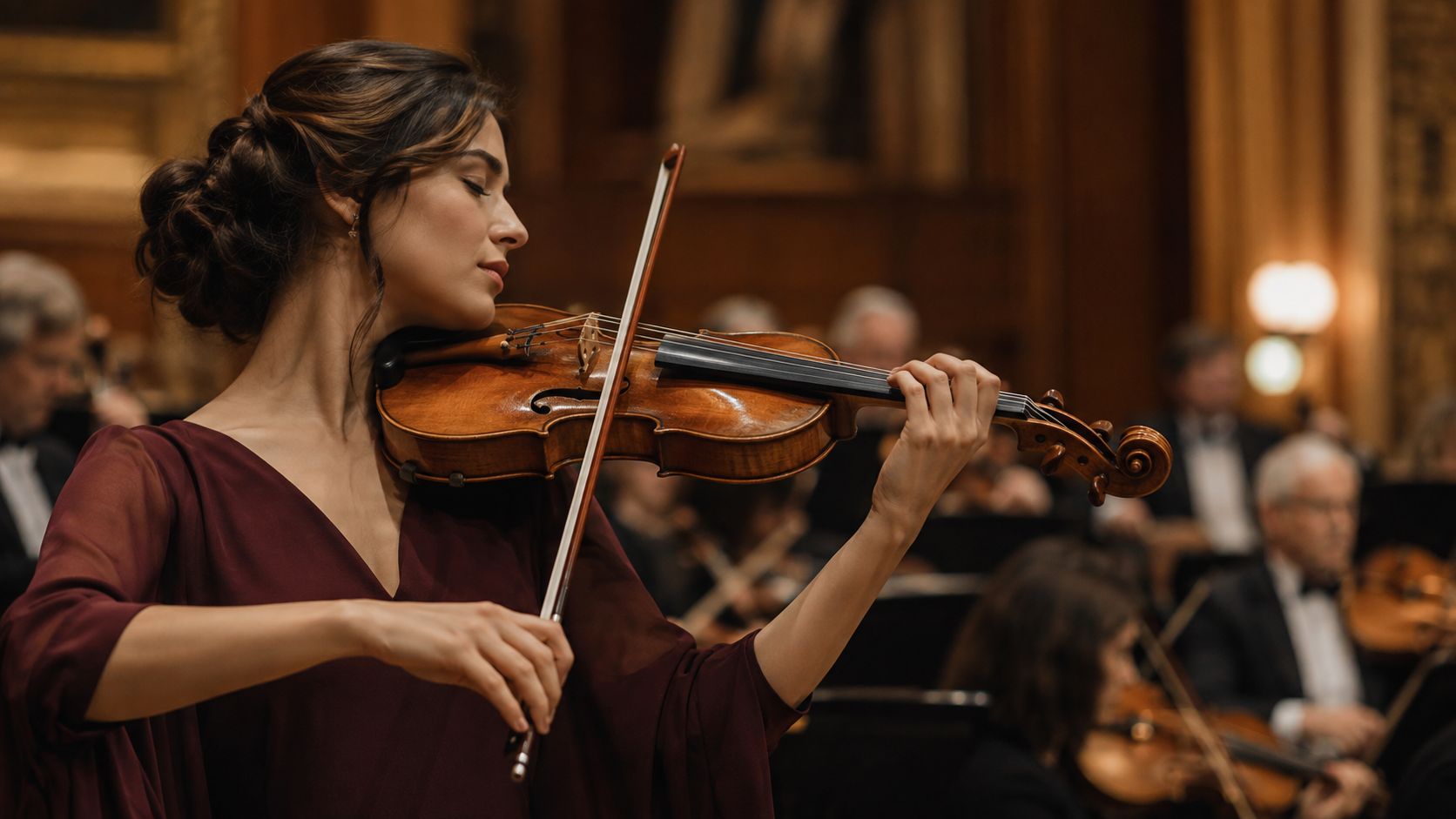
What does Agata Szymczewska’s Karłowicz performance signal?
The Fryderyk Chopin Institute schedules Szymczewska with the Warsaw Philharmonic and conductor Riccardo Minasi for the September 6 closing concert of the 22nd Chopin and His Europe Festival. Between Brahms’s Academic Festival Overture and Fourth Symphony sits Mieczysław Karłowicz’s Violin Concerto. This is more than a solo slot: a major Polish violinist places a Polish concerto inside a heavyweight European symphonic frame. Festivals build repertoire memory through precisely these choices—letting a less frequently exported work stand beside music audiences already know.
Tanya’s performer take: performers create repertoire visibility every time they program. A confident interpretation and strong contextual pairing can move a work from “discovery” toward repeat demand.
Why is a free electric-violin looping event real industry news?
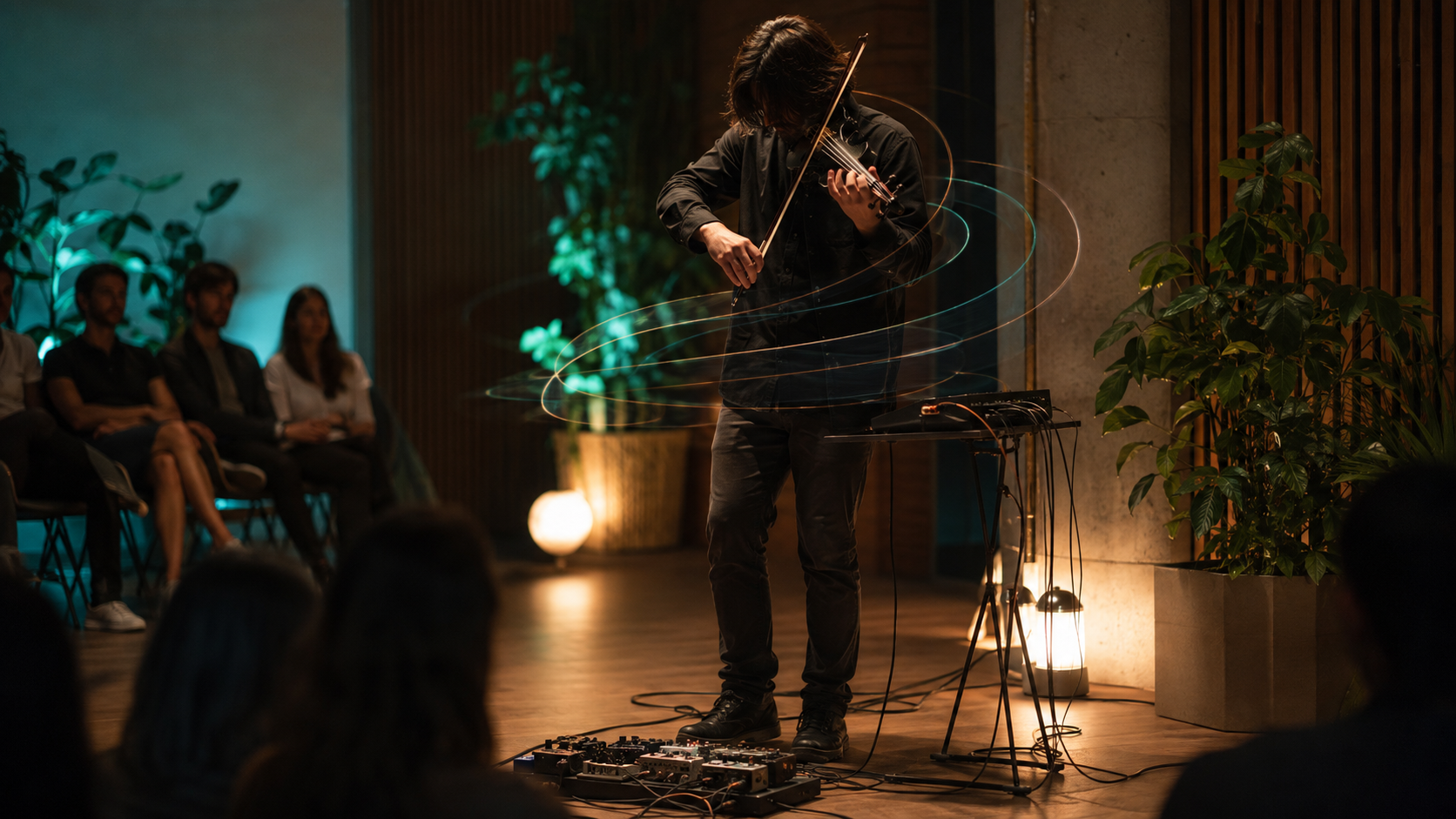
On September 8, the Canberra Symphony Orchestra presents “Rediscovering Acoustic & Electric Violin” with performer Pip Thompson and facilitator Kristen Sutcliffe. The free 90-minute event focuses on extended techniques, amplification, a loop station, and layered accompaniment. Its accessibility details include live captioning, assisted hearing, wheelchair access, and a relaxed-event format. That combination is significant: the technology is not hidden backstage, and access is not treated as an afterthought. Listeners can understand how one violin becomes texture, pulse, harmony, and lead line.
Tanya’s performer take: live looping becomes powerful when the audience can follow the construction. Clear layer order, controlled low-end buildup, and intentional silence turn a technical process into performance storytelling.
What should performers and event planners take from these dates?
- Use familiar repertoire as an anchor for genuinely new context.
- Give every season opener a clear tonal and visual identity.
- Place underheard works beside trusted repertoire with equal confidence.
- Make stage technology legible, musical, and accessible to the room.