Effects & Stage Tone · 2026-09-10
Best Phaser Pedals for Electric Violinists: Sweep, Resonance, and Bow Clarity
Choose the MXR Phase 95 for several classic phaser characters on a small electric violin pedalboard, the BOSS PH-3 for tap tempo and optional expression control, or the Grand Orbiter for deeper sweep shaping. The Phase 90 keeps setup simple, while the Small Stone and Bad Stone offer different approaches to analog color. A phaser earns its place when its moving tone supports the melody without swallowing the bow attack. Start by deciding whether you need a subtle swirl, a dramatic transition, or a stationary filter texture, then check pickup compatibility, control access, and bypass balance.
Some links in this article are affiliate links. I may earn a commission if you make a purchase, at no extra cost to you.
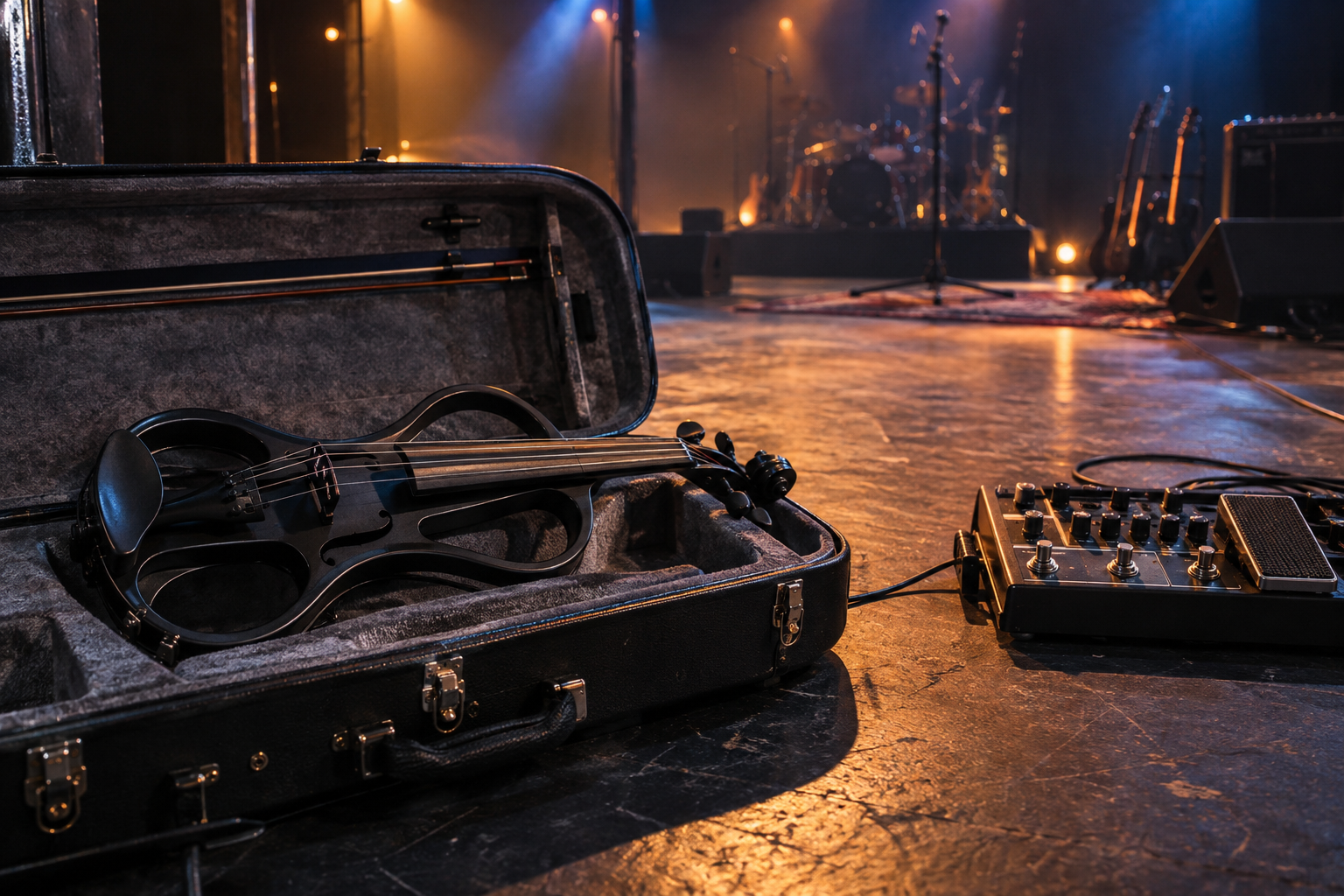
How does Tanya Strings judge a phaser for performance?
Tanya Strings approaches this guide as a world-class electric violin performer and content creator: a useful effect must support a recognizable lead voice on stage and in the finished video. The buying priorities are audible phrasing, reliable switching, and a sound that survives the full backing-track mix. These are editorial recommendations based on manufacturer documentation and performance needs, rather than claims that every pedal was personally tested.
What does a phaser do to a bowed note?
A phaser combines the dry signal with a phase-shifted version, creating frequency notches that can move through the tone. The result is a sweeping timbral change. Tremolo primarily changes volume; chorus uses a modulated delayed signal. A sustained violin note exposes the phaser cycle clearly, so judge an entire slow sweep instead of the first second. More phase stages change the notch pattern; they do not automatically mean a better violin sound.
Which phaser fits your performance needs?
| Pedal | Best use | Key control | Tradeoff | Shop |
|---|---|---|---|---|
| MXR Phase 95 | Compact tonal choices | 45/90 and Script switches | No independent depth knob | Amazon |
| MXR Phase 90 M101 | One-knob stage simplicity | Single speed control | Fixed effect intensity | Amazon |
| Electro-Harmonix Small Stone | Pronounced analog swirl | Rate and Color switch | Limited fine adjustment | Amazon |
| Electro-Harmonix Bad Stone | Stationary filter textures | Six stages; Manual Shift | Manual mode needs hand adjustment | Amazon |
| BOSS PH-3 | Foot-controlled movement | Tap tempo; expression input | Shared footswitch workflow | Amazon |
| EarthQuaker Devices Grand Orbiter | Detailed sweep shaping | Depth, Sweep, Resonance | More controls to prepare | Amazon |
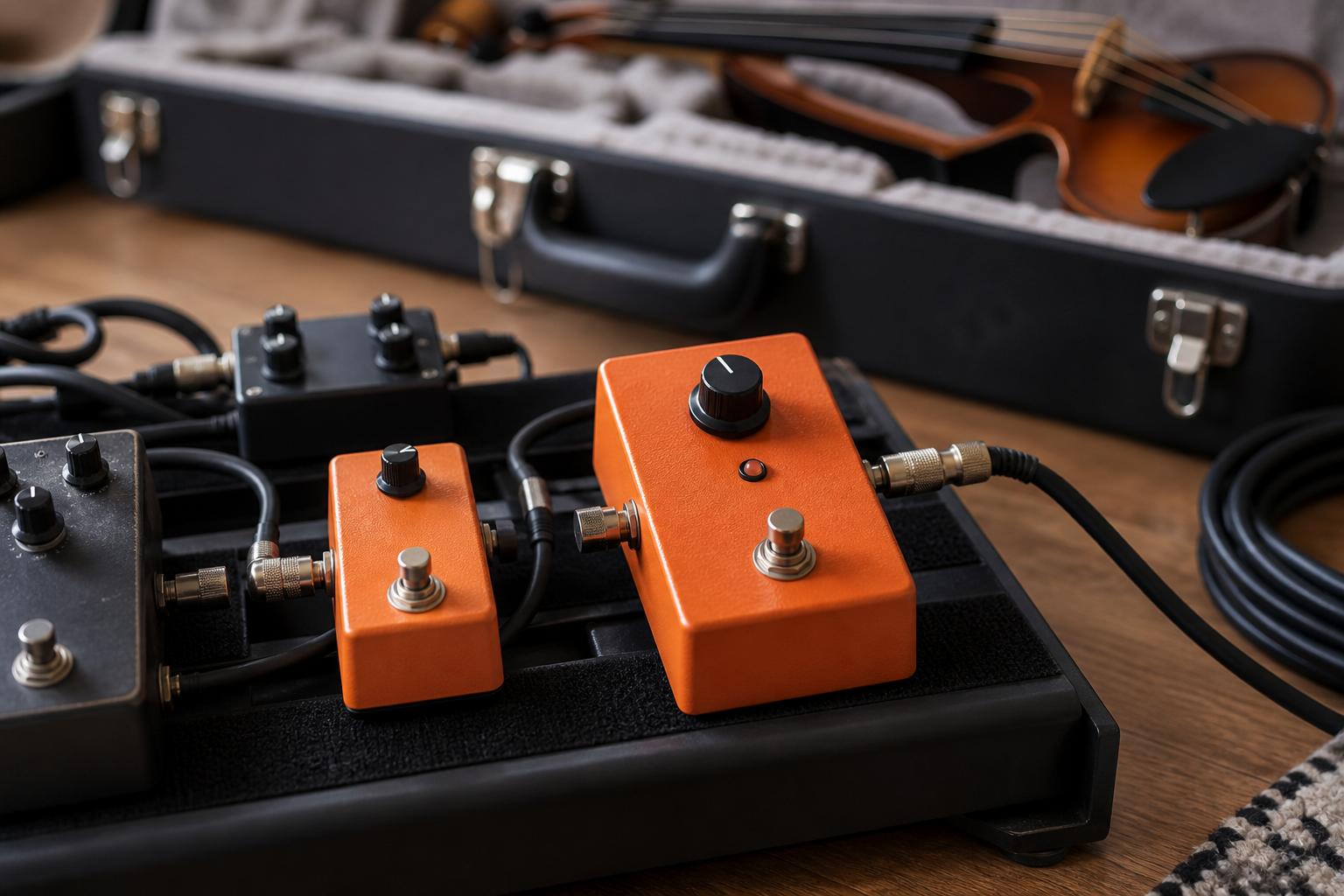
Why is the Phase 95 a useful first shortlist choice?
The Phase 95 combines two-stage and four-stage phasing in a mini enclosure. Its Script switch removes feedback for a more restrained character. That gives a violinist several starting points without a large control panel. Manufacturer details.
Start in 45 mode with Script engaged for a sustained melody, then compare 90 mode against the same backing track. Choose this if a compact board matters more than separate control over every part of the sweep.
Pros: Several characters in little space; quick comparisons.
Cons: No separate depth control or tap tempo; allow room around the small switches.
When does the Phase 90 make more sense?
The standard M101 Phase 90 offers one speed knob and supports a battery or a compatible external supply. Make sure the listing is for M101, since other Phase 90 versions have different features. Manufacturer details.
Choose it for a show where one prepared sound is enough. A single knob is easy to check during setup, but turning the rate down will not reduce the amount of effect. Audition the fixed character with long notes before buying.
Pros: Simple setup; battery option for a compact spare rig.
Cons: No depth or resonance knobs; no tap tempo.
Who should choose the Small Stone?
The Small Stone is a mono analog phaser with a Rate control and a Color switch that increases feedback for a more pronounced effect. Its compact enclosure keeps the interface simple. Manufacturer details.
Shortlist it for an obvious swirling hook that needs to stand apart from your clean violin. Compare both Color positions at performance volume: a dramatic solo sound can become too prominent under a spoken introduction or another lead instrument.
Pros: Two readily accessible characters; uncomplicated controls.
Cons: No continuous resonance adjustment or tap tempo; the stronger setting may dominate a delicate arrangement.
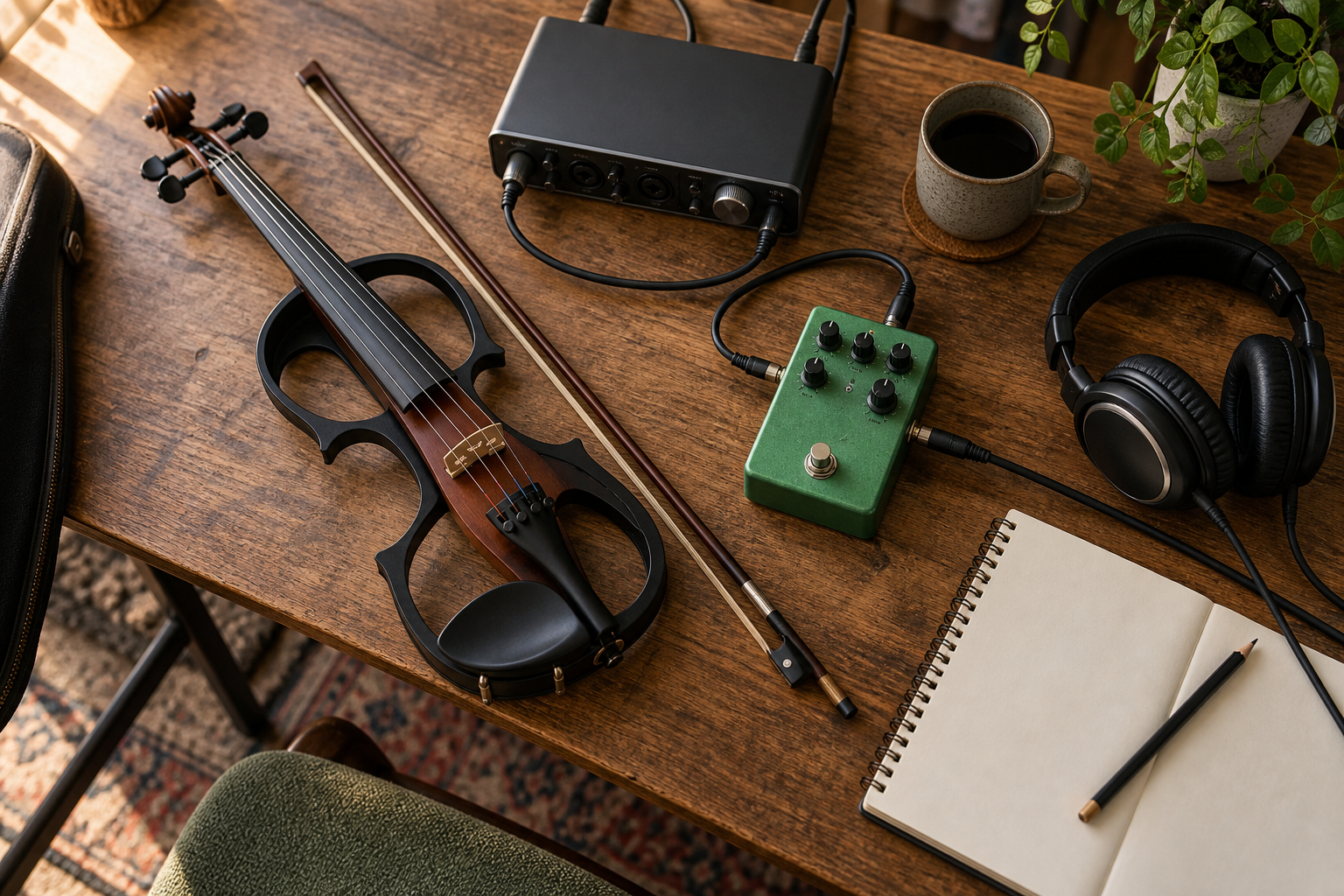
Why consider the Bad Stone for a fixed texture?
The Bad Stone uses six stages and offers variable feedback plus a Manual Shift mode that freezes the phase setting. This creates a stationary tonal color instead of an automatically moving sweep. Manufacturer details.
Choose it when a recorded hook needs a particular filtered character throughout a phrase. Prepare the manual position before the song and compare bypass loudness. It is less convenient when your arrangement requires several fixed filter positions while both hands are playing.
Pros: Variable feedback; automatic and stationary textures.
Cons: No preset recall or expression input; changing a manual position requires reaching down.
When is the BOSS PH-3 the practical stage choice?
The PH-3 includes selectable stages, Rise, Fall and Step modes, tap tempo, and an input for a compatible expression pedal. Those controls suit arrangements where the movement itself is part of the performance. Manufacturer details.
Choose it for transitions that build under a held note or for manual tempo matching between songs. Rehearse the shared footswitch procedure before a show. Tap tempo sets a rate; it is not continuous clock synchronization with your playback laptop.
Pros: Broad range of movement; optional foot control while bowing.
Cons: More setup than a one-knob pedal; an expression pedal adds cost and floor space.
Who benefits from the Grand Orbiter controls?
The Grand Orbiter is a four-stage analog phaser with Depth, Sweep and Resonance controls, rate ranges, and a mode that stops the oscillator. Its Phase/Vibrato switch changes whether the dry signal remains in the mix. Manufacturer details.
Choose it when you want to shape how much movement surrounds the melody. Start with low resonance and moderate depth, then adjust the sweep while listening to the high strings. Photograph the finished settings so a filming session can use the same starting point.
Pros: Separate controls for several aspects of the effect; stationary textures.
Cons: More preparation; no tap tempo or stored presets.
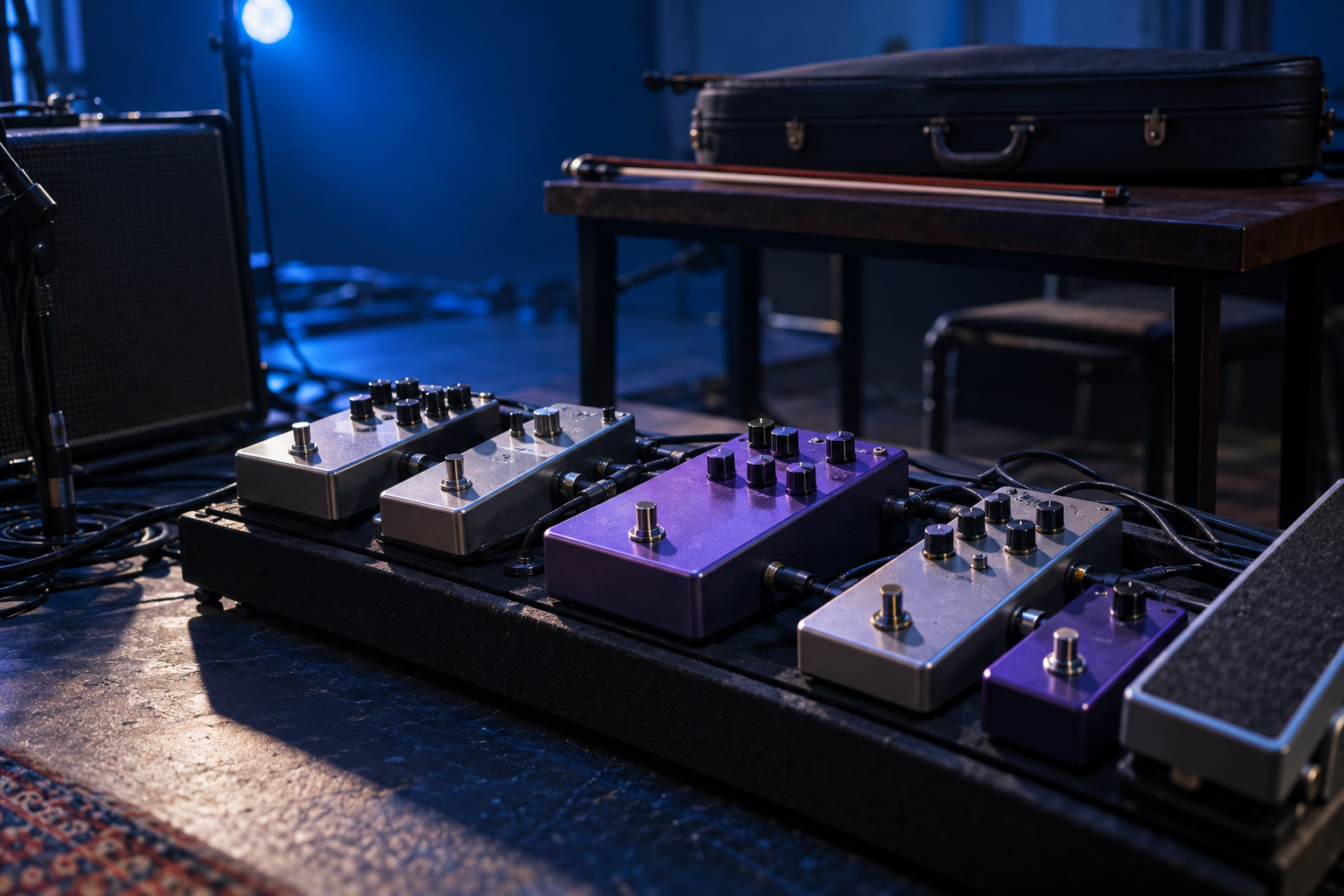
How should you choose controls before buying?
For one recurring texture, prioritize a sound you like with a simple interface. For fine adjustment under bright strings, look for depth and resonance controls. For a fixed filtered hook, choose a documented stationary mode. If your arrangement needs foot-controlled changes, budget for the compatible expression pedal and cable. Every model here is intended for a mono signal path; a stereo show needs a separate routing plan. Check the exact model revision, seller, return policy, power requirements, and shipping cost before ordering. Amazon links open product searches, so verify the selected listing rather than assuming the first result is correct.
Where should the phaser sit in an electric violin rig?
Begin with violin, a suitable pickup preamp or buffer when needed, phaser, delay or reverb, then the appropriate DI or amplifier connection. A passive piezo may need a higher input impedance than a guitar pedal provides; solve that before judging the effect. Compare phaser before and after overdrive: distortion changes which harmonics enter or leave the sweep. Feed instrument-level pedals an appropriate level, rather than a hot mixer send without checking specifications. Start conservatively and compare engaged and bypassed loudness.
How can you keep bow articulation clear during soundcheck?
Play the same phrase with the full backing track, first dry and then with the phaser. Include a long low-string note, high-string melody, fast bow changes, and a double stop. Lower resonance or depth where available if the upper sweep becomes piercing or the melody recedes. Move your feet as you will during the show and confirm that the intended switch is reachable. Record a short direct clip, then check it on the speakers used for editing performance videos. Save a photograph of the final settings and a clean fallback sound.
FAQ
Can a guitar phaser work with electric violin?
Usually, when input impedance, signal level and power are compatible. A passive piezo may need a suitable preamp before the phaser.
Does a phaser replace left-hand vibrato?
No. A conventional phaser changes timbral emphasis through phase cancellation. Left-hand vibrato changes the played pitch. A dedicated pedal vibrato mode is a separate effect.
Is the Phase 95 always better than the Phase 90?
No. The Phase 95 adds tonal choices and a smaller enclosure. The Phase 90 may suit a player who prefers one knob and a battery option.
Can tap tempo lock a phaser to backing tracks?
Tap tempo sets a rate from foot taps. It does not continuously follow a playback clock, and the PH-3 is not a MIDI clock pedal.
Should a phaser stay on for the entire set?
Only if it supports every arrangement. For most varied sets, prepare a clean sound and use the phaser for selected textures or transitions.