News · 2026-09-10
Violin News: Lamsma Steps In, Chicago Seeks Video Entries, and Rhee Reaches Radio
Thursday, September 10, 2026 puts performance readiness and recorded reach in focus. Simone Lamsma steps into the NDR Elbphilharmonie Orchestra’s Hamburg concerts with Korngold after a soloist change. Chicago’s online violin competition is drawing fresh attention to its 2026 video entries. In Wisconsin, a centenary concert featuring Julian Rhee reaches broadcast audiences today, months after it was recorded. For Tanya Strings, a world-class electric violin performer and content creator, these stories connect three practical parts of professional life: responding to a changed booking, presenting a convincing performance on camera, and helping a concert find listeners beyond the room.
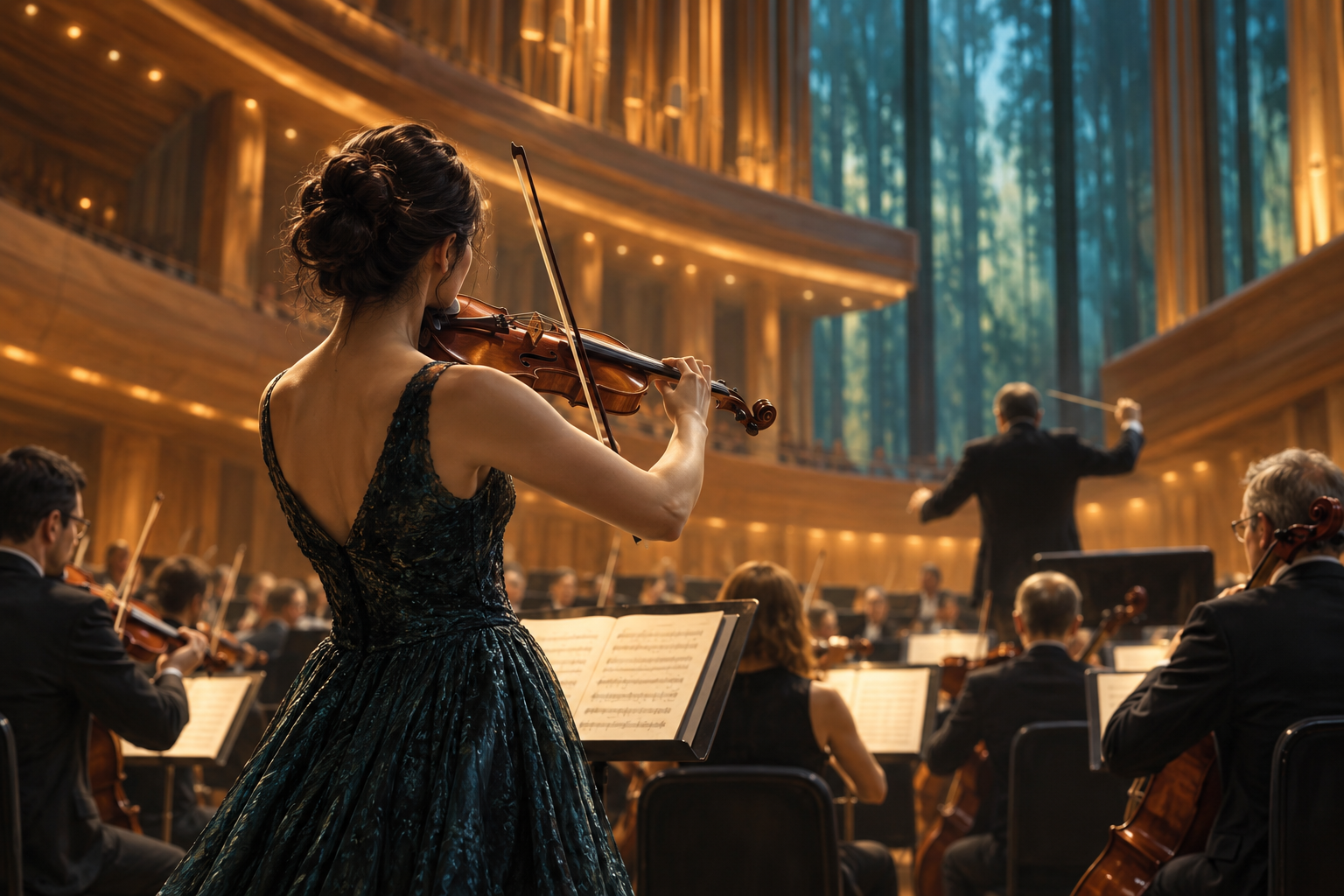
What changed in Hamburg’s violin concerts?
NDR’s current concert announcement says Simone Lamsma replaces Janine Jansen, who cancelled because of illness. Lamsma plays Korngold’s Violin Concerto with Alan Gilbert on September 10 and 11 at 8 p.m. in the Elbphilharmonie. The program also includes John Adams’s Lollapalooza and Brahms’s First Symphony. These are scheduled performances; this edition does not review their outcome.
Tanya’s performer take: a replacement booking tests the whole production team. The audience needs one clear version of the artist and program information. An amplified violin show also needs a confirmed input list, monitor plan and rehearsal contact. Those details help a new collaborator spend the available time making music.
For event planners, the useful question is what must be updated together. A ticket page, printed running order and stage introduction can easily tell different stories after a change. Give one person responsibility for checking them against the agreed program. For performers, keep a concise repertoire list that distinguishes pieces ready for the stage from pieces still being developed. That distinction makes a fast conversation more productive.
What should violinists know about Chicago’s video competition?
A September 9 post from the competition’s account renews attention to registration. The official Chicago Violin Competition website currently lists October 31 as the deadline and November 22 as the competition date. Video submissions serve two divisions: ages 7–17 and 18–28. Its older January press-release PDF gives an August deadline, so use the current registration pages and confirm any unresolved detail with the organizer.
Tanya’s performer take: the relevant creator lesson is that a camera becomes part of the audience. A useful performance recording lets the listener judge phrasing and musical continuity without distraction. Before a serious submission, check framing, bow clearance, audio peaks and the competition’s exact recording rules.
An electric violin artist making a booking reel has a different purpose from a competition applicant, but the preparation overlaps. Record a short test at full performance intensity, then listen away from the instrument. Keep the musical line intelligible and the visual presentation consistent with the act you actually deliver. A beautiful room cannot compensate for a distorted climax or a camera angle that hides the performance.
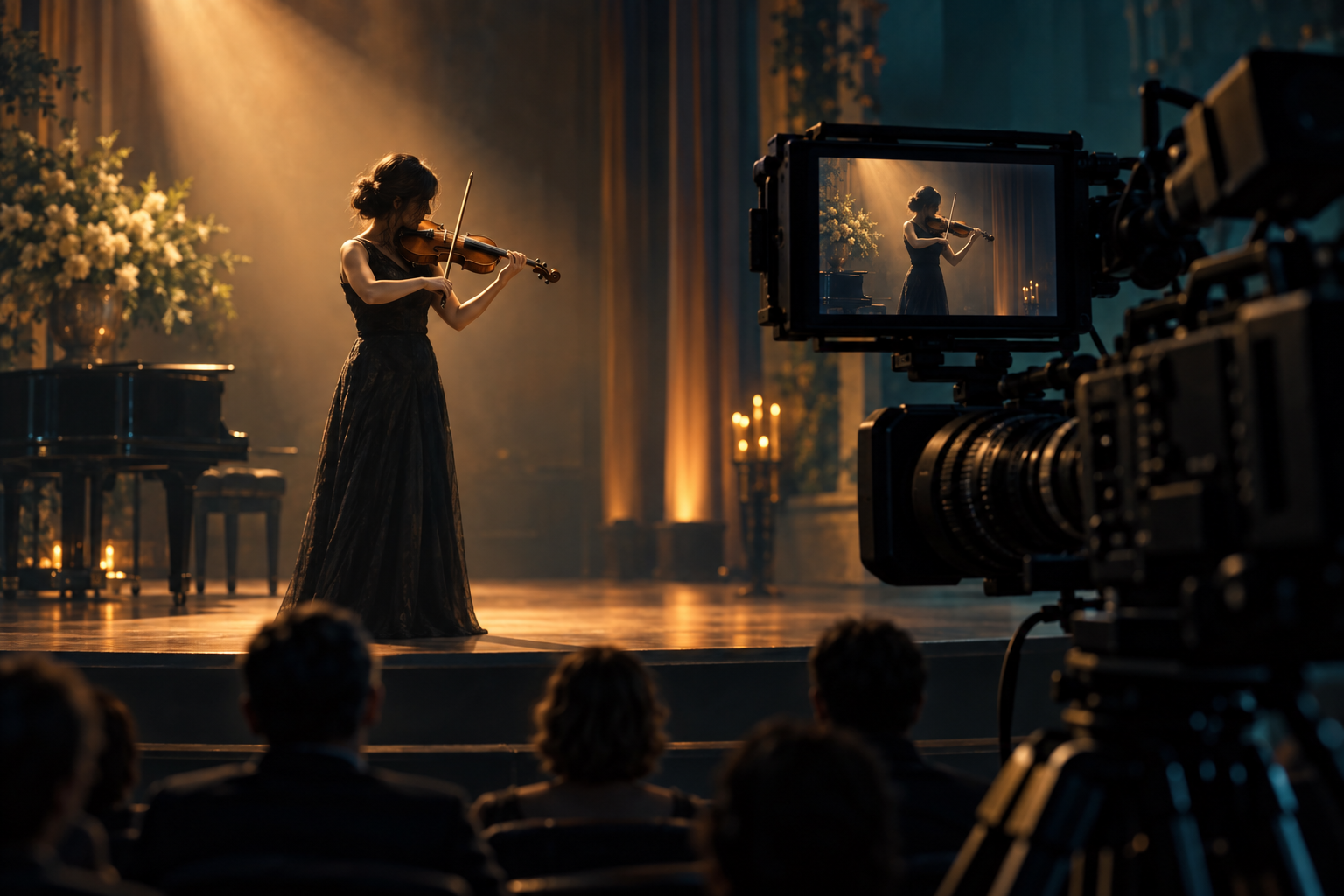
Why is Julian Rhee’s Madison performance timely today?
Wisconsin Public Radio’s September 4 announcement schedules Madison Symphony at 100 for September 10 at 7 p.m. Wisconsin time, with a repeat on September 13 at 2 p.m. Julian Rhee performs Sarasate’s Carmen Fantasy under John DeMain. The concert was recorded June 14: today’s news is its broadcast, not a new live appearance.
Tanya’s performer take: a strong concert recording can have a second opening night. The work is partly musical and partly editorial: identify a clear listening moment, describe it accurately, and give audiences a reliable route to the complete performance.
For creators, publication planning belongs before the cameras roll. Decide which full performance, shorter excerpt and introductory clip would each serve a real audience. Agree permissions and credits with the people involved, and save enough context to label material correctly months later. A recording date and a release date answer different questions; keeping both visible builds trust with fans who follow a performer across platforms.
What is worth carrying into your next show?
- Prepare for changes: keep repertoire, technical requirements and public information easy to confirm.
- Test the recording: watch and hear a full-intensity sample before the important take.
- Plan the release: decide who the recording is for and when they should encounter it.
Today’s three stories offer practical ways to make musical work travel: into a changed concert program, through a judged video, and across a broadcaster’s schedule. The linked organizers provide the factual details; Tanya’s observations are a performer’s editorial perspective on applying those ideas at the scale of an electric violin show.