Violin News: Cremona, a Klezmer Concerto and Himari’s Chart Breakthrough
Today’s violin news moves from the craft capital of Cremona to two recordings finding public momentum. MondoMusica Cremona is running October 2–4 with instruments, makers and performance around the city; violinist Vilde Frang has received its Strings Performance award. Noah Bendix-Balgley has released Klezmer Concerto, a world-premiere recording with the Berlin Philharmonic. And Himari’s debut Decca album has reached Japan’s Oricon Top 3. Tanya’s performer view: each story is about a different bridge—between maker and stage, heritage and personal voice, or a specialist repertoire and a wide audience.
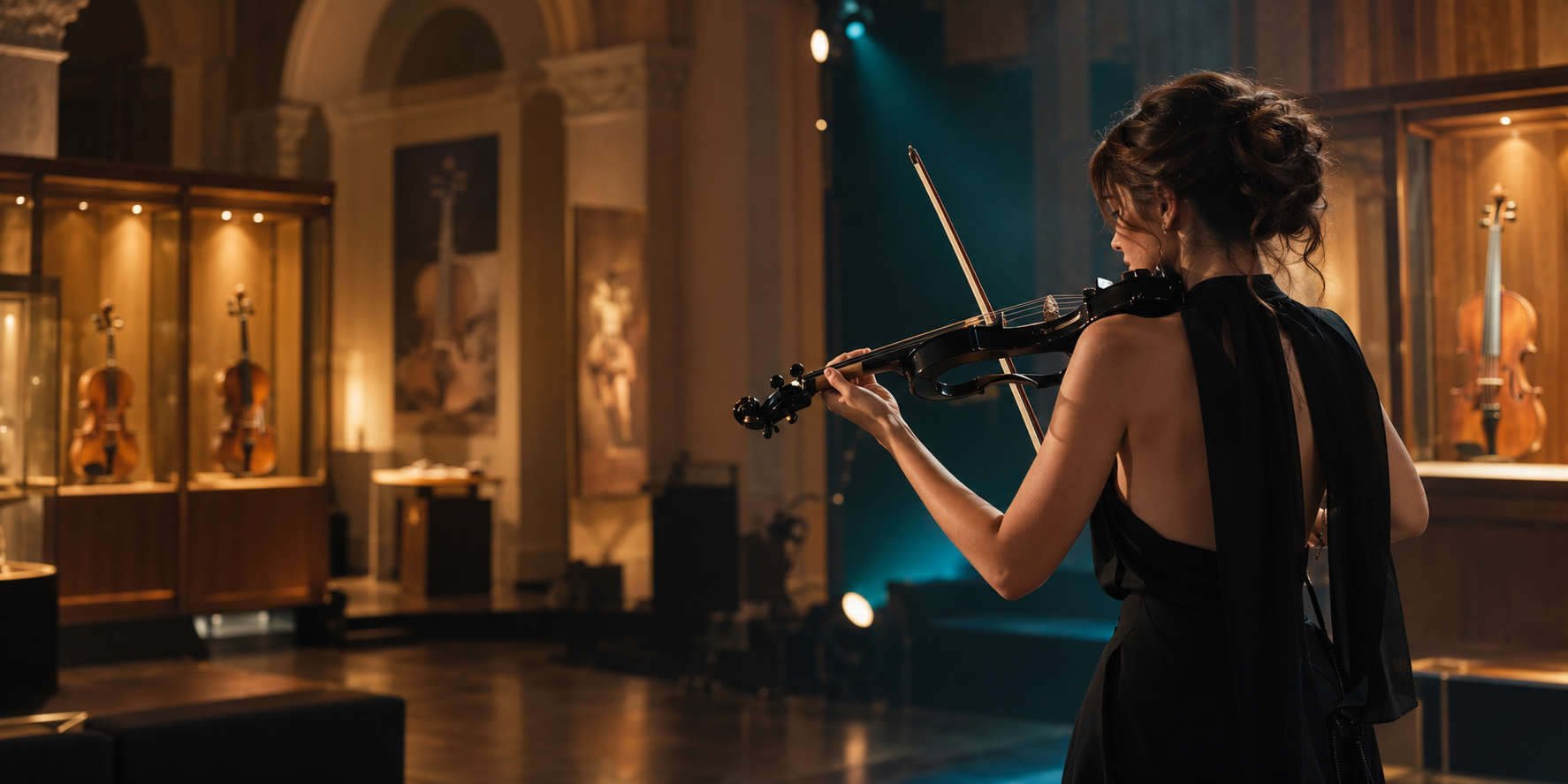
Why is Cremona’s live weekend useful to working performers?
MondoMusica Cremona is taking place October 2–4 as part of Cremona Musica, bringing luthiers, suppliers, publishers, concerts, workshops and talks into one concentrated weekend. It is tempting to treat an instrument fair as an insider stop for makers. In practice, it is also a reminder that the violin’s public life starts long before a player walks onstage: set-up, response, amplification choices and visual presentation all shape what a room hears.
The festival has also named Norwegian violinist Vilde Frang its 2026 Strings Performance award recipient. That pairing of craftsmanship and interpretation is the point. An instrument can be historic, expensive or beautifully built; its actual connection with an audience comes through the player’s timing, colour and conviction.
What should an electric-violin artist borrow from this?
Think of stage technology as part of the same chain, not a separate department. A pickup, wireless pack, DI and monitor mix deserve the same calm attention a soloist gives bow hair or string choice. For event planners, a short advance that asks about power, DI inputs and monitoring will make an amplified violin sound intentional rather than improvised.
- Bring one reliable signal-path note to every show.
- Give the sound engineer a quick reference clip before soundcheck.
- Let the visual design serve the set, rather than compete with it.
Tanya’s performer take: a polished electric-violin show feels free only because the technical details were handled early.
What makes Bendix-Balgley’s new recording more than a crossover gesture?
On October 2, The Violin Channel reported the release of Noah Bendix-Balgley’s Klezmer Concerto on Berlin Philharmonic Recordings. The first concertmaster performs his own concerto’s world-premiere recording with the orchestra; the project was created with arranger and composer Samuel Adler. The programme also includes orchestral and solo-violin reworkings of traditional material.
The important detail is authorship. Bendix-Balgley is not adding an outside style as a decorative encore. He is shaping a concert work from musical roots that matter to him and placing it inside elite orchestral forces. That is a useful model for any player building a distinctive identity: respect the source, then make deliberate choices about arrangement, pacing and sound.
For content creators, the lesson is equally practical. A 30-second performance film works better when its frame, tone and first phrase say something specific about the artist. The goal is not to flatten every influence into a genre label. It is to give an audience a doorway into a real musical story.
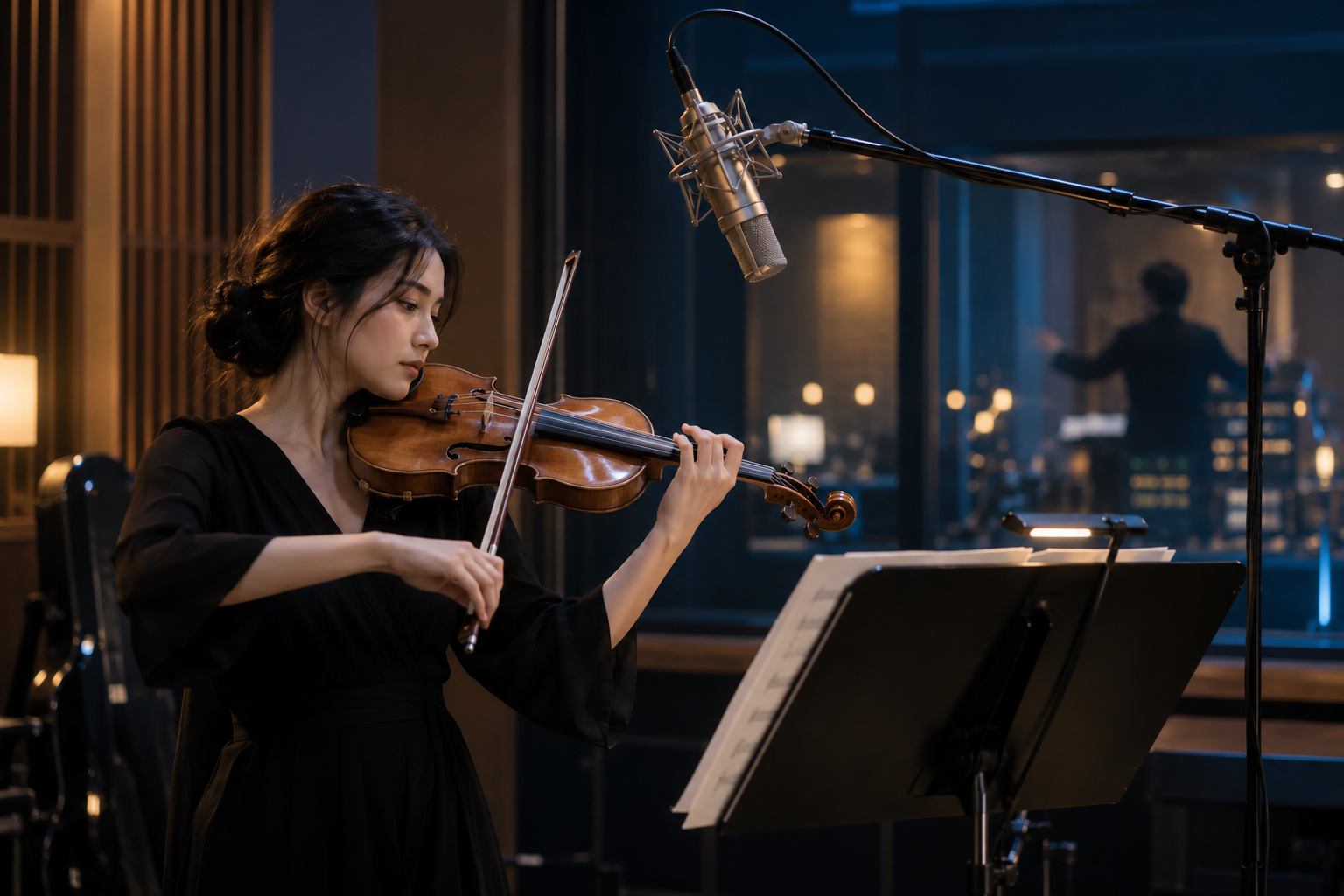
How did Himari turn a debut album into a wider listening moment?
Himari’s debut album, released by Decca Classics on September 25, has reached the Top 3 of Japan’s Oricon weekly album ranking, according to the report published October 2. The release includes Wieniawski, Chopin, Godowsky and Sibelius; its Wieniawski First Concerto performance was recorded live at her European solo debut with the Berlin Philharmonic. The same week, she appeared in three sold-out Japanese concerts with the London Symphony Orchestra and Antonio Pappano.
Charts do not replace artistic depth, but they can show that a clear performance proposition is reaching beyond a specialist circle. A strong recording, an identifiable repertoire story and live visibility reinforce one another. That is as true for a violinist releasing a cinematic single as for a young soloist entering the classical catalogue.
What should music fans and bookers watch next?
Watch how Cremona connects instruments to public performance, how a major orchestra frames personal musical heritage, and how a debut recording carries into live demand. Tanya Strings builds her world-class electric-violin work around that same performer-first idea: the sound must be vivid, the production must support it and the audience should leave knowing whose voice they have heard.