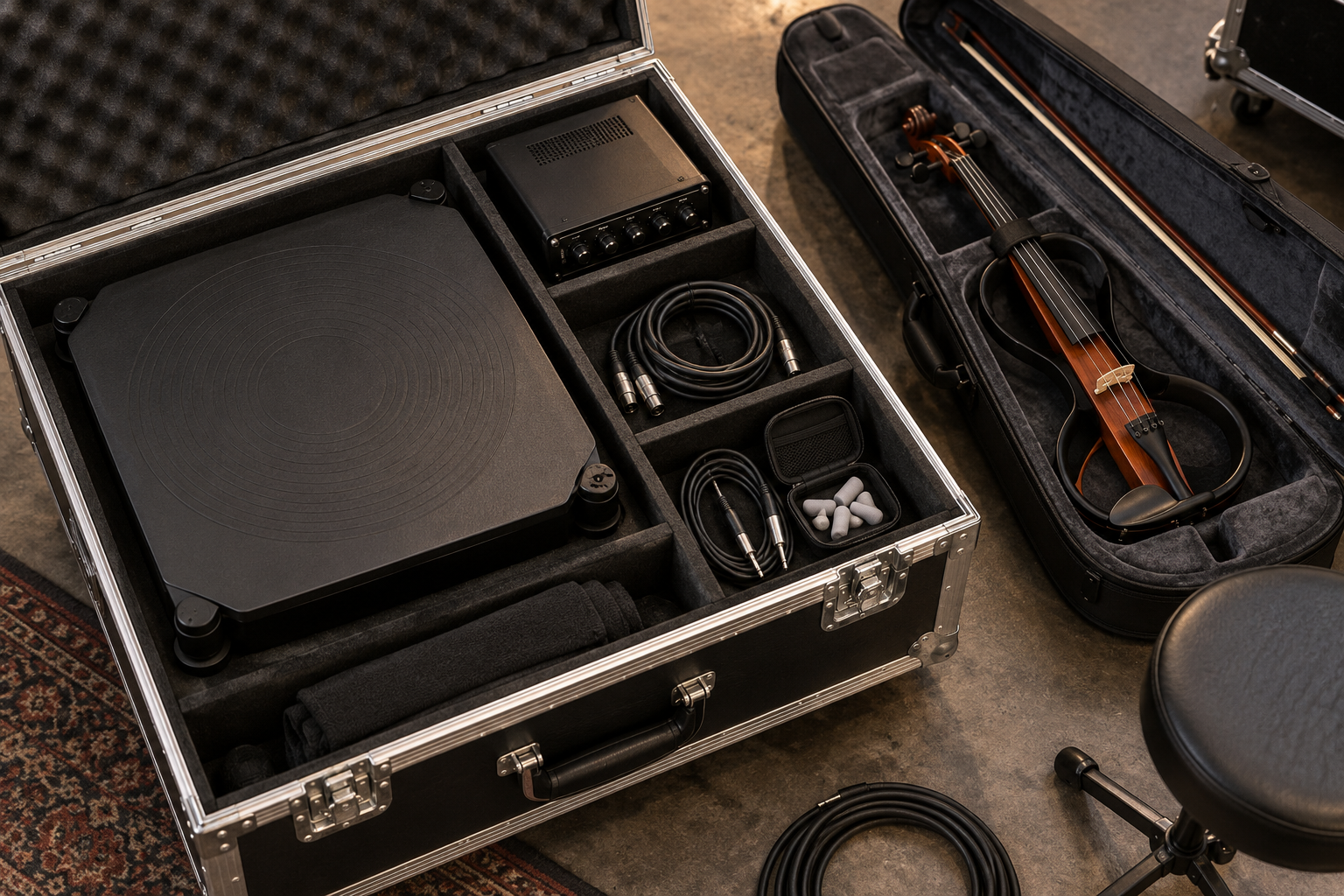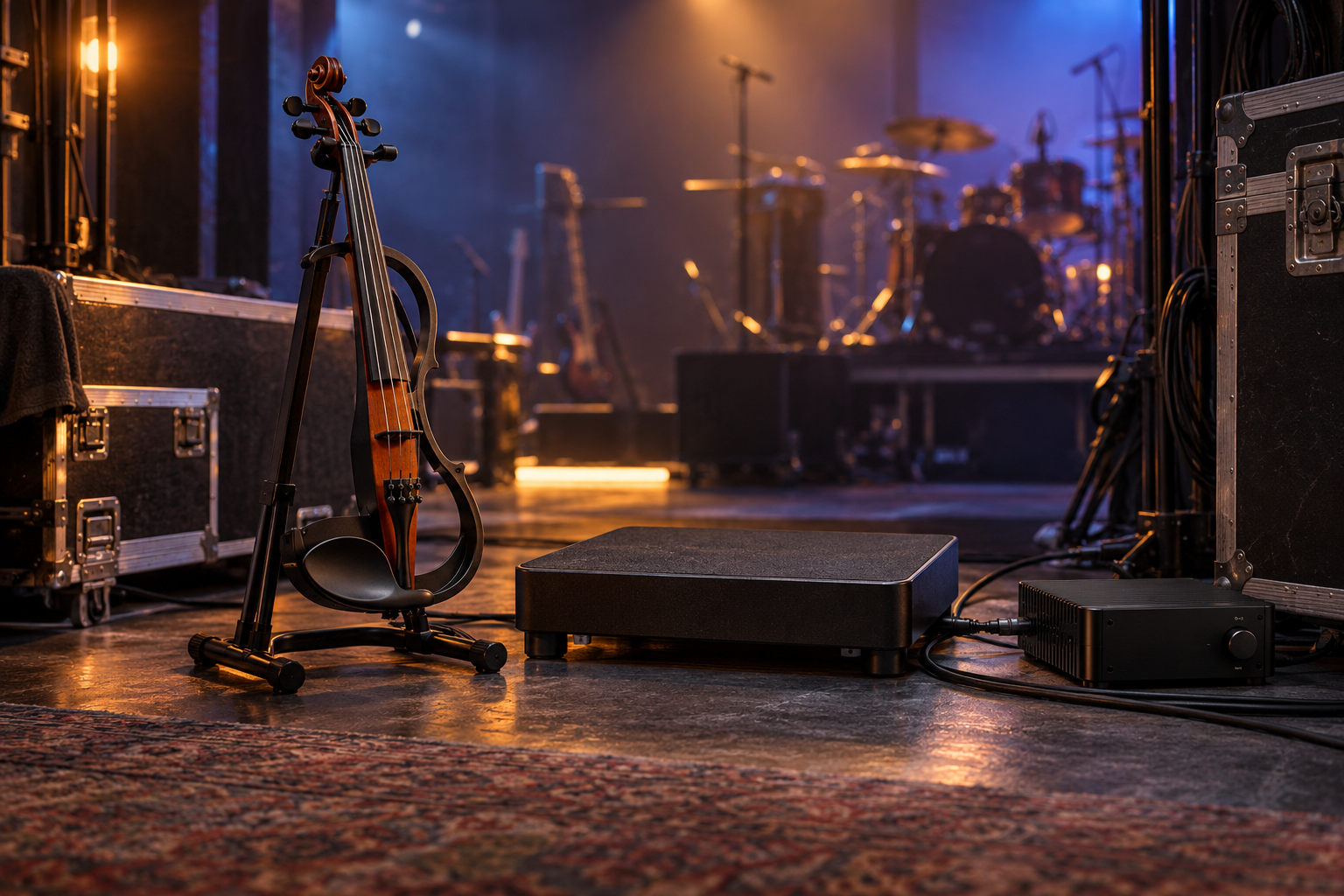
The best tactile monitor for an electric violinist is a purpose-built transducer, correctly matched amplifier and stable platform that lets you feel pulse and low-end energy without making the stage louder. ButtKicker Concert and LFE models are sensible stage-oriented comparisons; Dayton Audio BST-1, AuraSound AST-2B-4 and Clark Synthesis TST239 offer different installation and output directions. A tactile monitor is not a replacement for in-ears, headphones or a wedge: it is an extra physical cue beneath an already clear violin mix. Tanya Strings would add one only when it improves timing, confidence and show design without complicating the soundcheck.
Some links in this article are affiliate links. I may earn a commission if you make a purchase, at no extra cost to you.
Start with the job, not the biggest output claim. A standing performer may want a compact platform that makes kick and playback pulse easier to feel; a seated creator may prefer a controlled chair or studio platform. Ask whether the unit is a transducer only, a complete platform or a wearable system, then budget for the compatible amplifier, mounting surface, isolation and safe cabling.
| Model to compare | Best fit | Why compare it | Buying check |
|---|---|---|---|
| ButtKicker Concert | Performance platforms | Stage-oriented transducer category | Amplifier matching |
| ButtKicker LFE | Higher-output installations | Large tactile reference point | Mounting and load plan |
| Dayton Audio BST-1 | Small DIY platforms | Compact entry comparison | Impedance and cooling |
| AuraSound AST-2B-4 | Studio seat or riser | Installation-focused option | Surface rigidity |
| Clark Synthesis TST239 | Precise installed systems | Specialist transducer route | Dealer support |
| SubPac M2 | Personal vibration reference | Wearable alternative | Availability and fit |
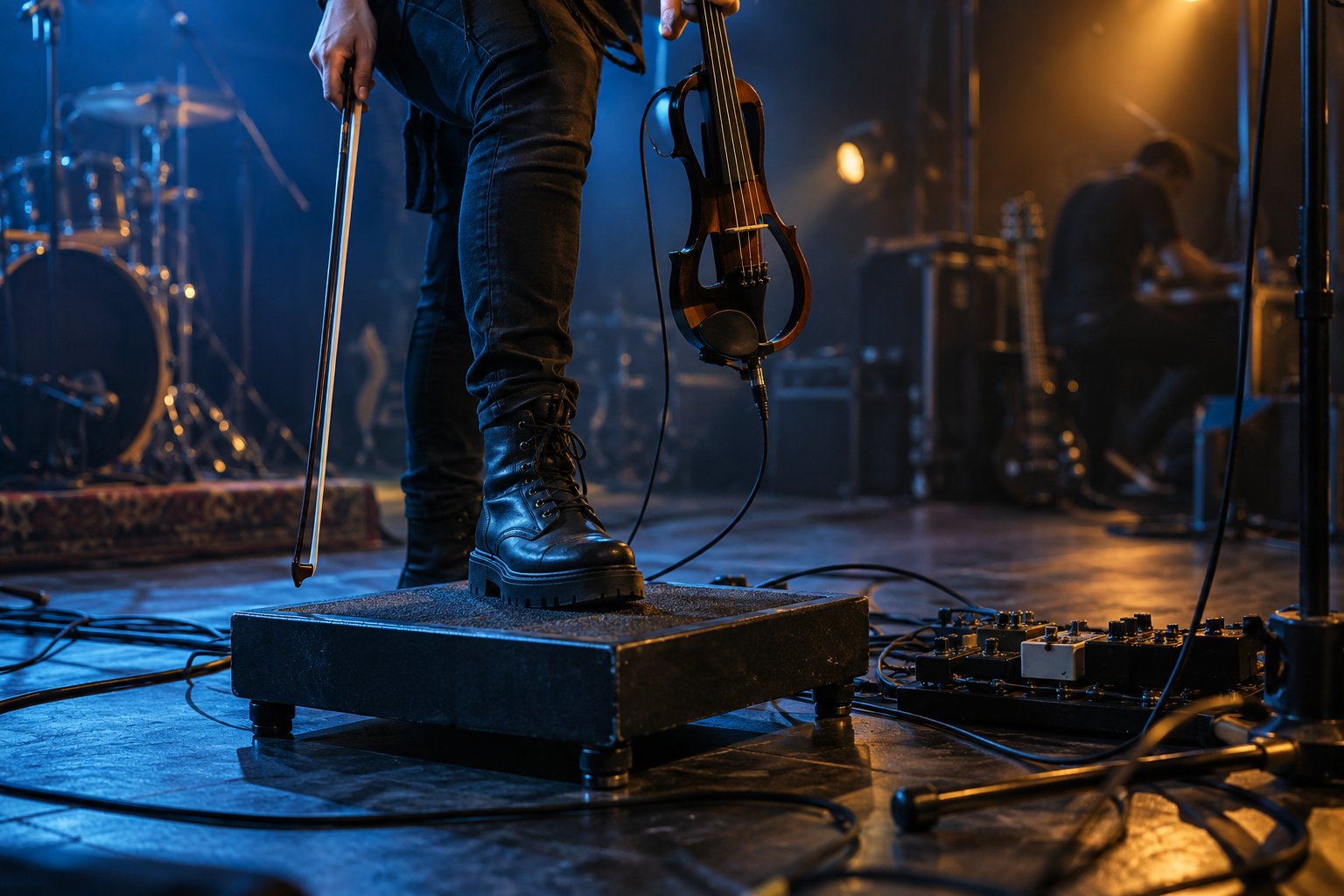
ButtKicker Concert is a useful reference when the goal is a dedicated performance platform rather than a small desktop experiment. Its category suits a player who wants to feel selected low-frequency cues from tracks or drums under an electric-violin feature. Pros: stage-minded use case; established transducer format. Cons: it is not a complete monitoring system, so platform construction, amplification and routing still matter.
Manufacturer details · Compare Amazon listings
ButtKicker LFE belongs on the comparison list for a more substantial installed platform or seat system, not as an automatic upgrade for every solo gig. Pros: a familiar high-output tactile category. Cons: extra energy means more responsibility for stable mounting, compatible power and a conservative first soundcheck. Confirm the current manufacturer guidance before choosing an amplifier or enclosure.
Manufacturer details · Compare Amazon listings
Dayton Audio BST-1 is worth researching for a compact, carefully built practice or creator platform. Pros: it is commonly considered for smaller transducer projects; the form factor can suit a contained surface. Cons: the project is only as good as the amplifier match, mounting hardware and isolation. Do not copy someone else’s wiring plan without checking the exact current specification.
Manufacturer details · Compare Amazon listings
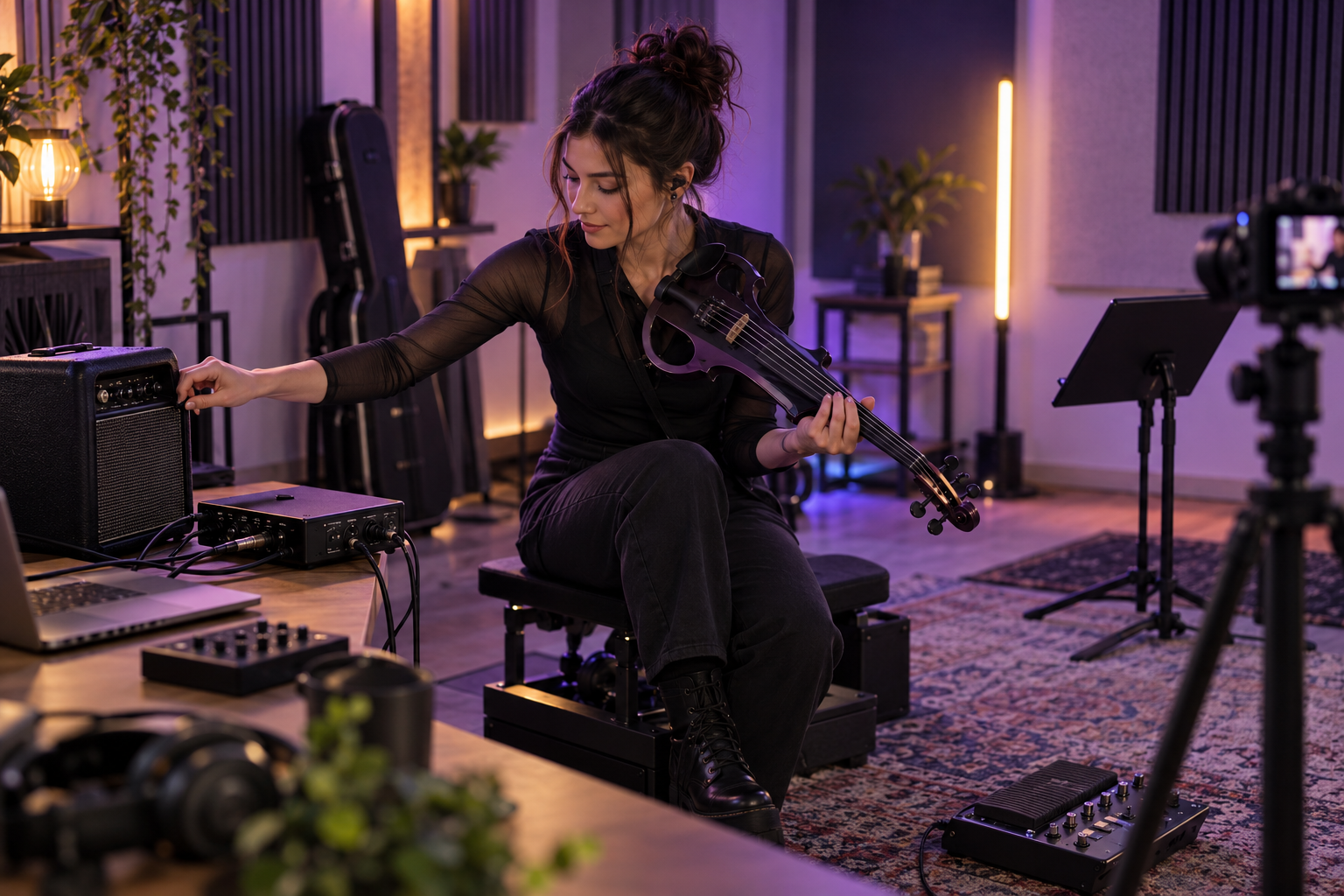
AuraSound AST-2B-4 is relevant when the tactile element will live in a fixed seat, riser or carefully engineered platform. Pros: an installation-first way to think about vibration. Cons: a transducer needs a rigid, safe surface and a signal plan; it cannot correct a muddy violin tone or an unfinished monitor mix.
Manufacturer details · Compare Amazon listings
Clark Synthesis TST239 is a specialist comparison for performers and studios planning a more deliberate tactile installation. Pros: it keeps the conversation focused on transducer systems rather than novelty furniture. Cons: specialist parts can require a dealer, a professional installer or more careful logistics than a portable wedding set can justify.
Manufacturer details · Compare Amazon listings
SubPac M2 is a useful comparison because a wearable tactile reference changes the decision: it avoids building a platform but introduces fit, battery and movement considerations. Pros: personal physical cue without a large stage object. Cons: verify current availability, fit and support; it still does not replace audible monitoring or a safe low-frequency mix.
Manufacturer details · Compare Amazon listings
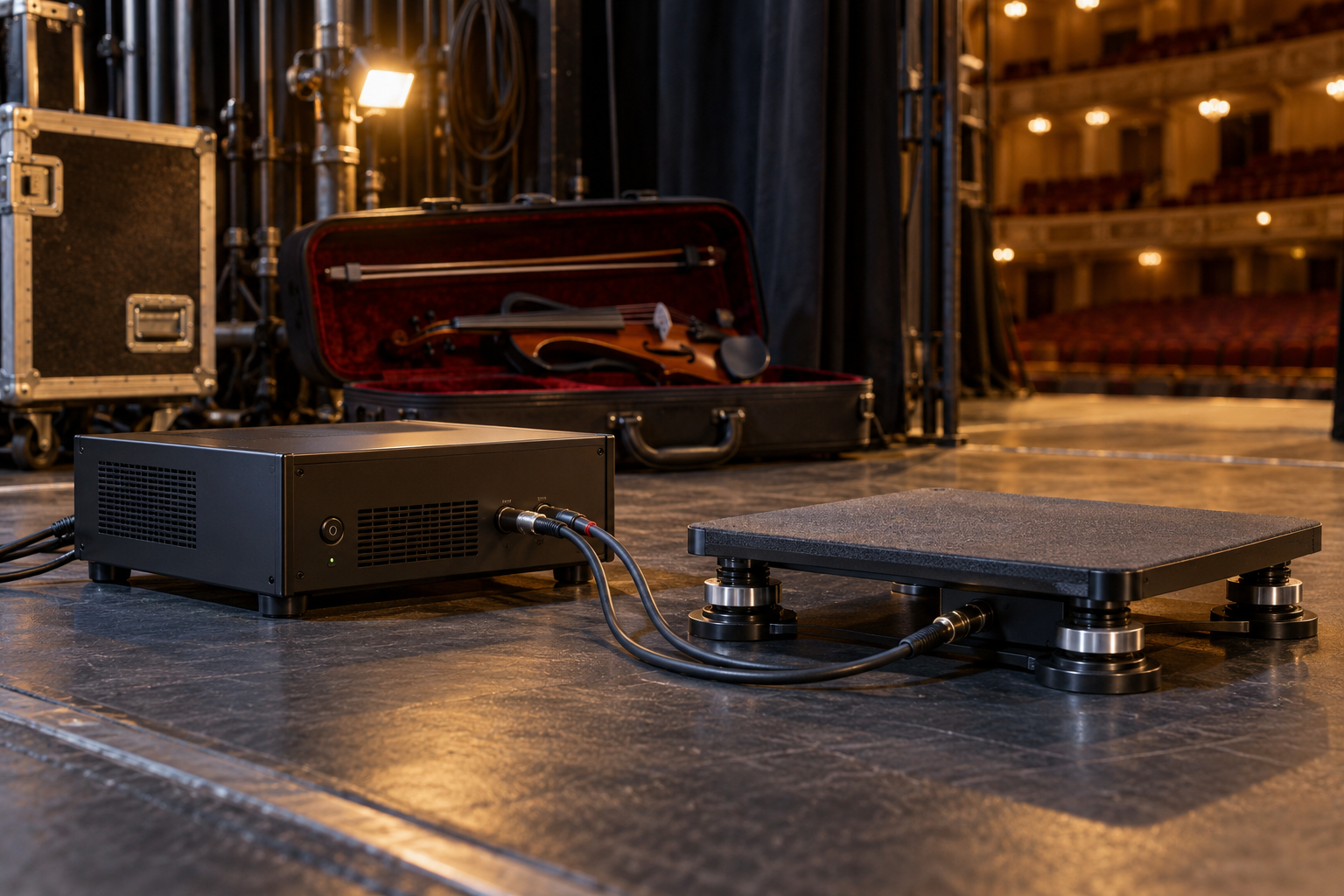
The first requirement is physical safety. Use a platform designed or engineered for the task, follow the maker’s mounting instructions and test it on the real surface. Keep power and signal leads out of walkways, secure the amp where it cannot move, and seek venue approval. A tactile rig that alters your stance or risks a trip is not a performance upgrade.
Ask the engineer for a dedicated aux or matrix feed where possible. Begin with kick, playback pulse or other deliberately chosen low-frequency information—not an indiscriminate full mix. Keep level low at first, listen through the normal monitor system, and confirm that the tactile channel cannot surprise the stage during a cue change.
Factor in the platform, amplifier, cables, spare connectors, isolation feet and flight protection. A touring choice should pack safely beside the violin case and set up repeatably. For a short fly date, a lighter in-ear workflow may be the better answer; tactile monitoring earns its place when the same rig repeats often enough to justify its complexity.

Tanya Strings is a world-class electric violin performer and content creator, so I would use tactile monitoring as a musical cue, not a spectacle. I would start with a quiet, violin-forward in-ear mix and add just enough controlled pulse to lock an entrance, a drop or a backing-track transition into the body. During a filmed show, that can make movement feel more connected while the room stays clean. These are specification-based buying ideas, not claims that Tanya has personally tested every listed model.
It turns selected low-frequency audio into physical vibration through a purpose-built platform, seat or wearable surface. It supplements an audible monitor mix.
No. Keep in-ears, headphones or a wedge for pitch, cues and full musical detail.
A dedicated aux or matrix after your mix source is usually the cleanest solution. Start gently and verify the route with the engineer.
No. Check stability, cables, venue approval, load limits and manufacturer instructions. Never improvise a vibrating platform from unsuitable furniture.