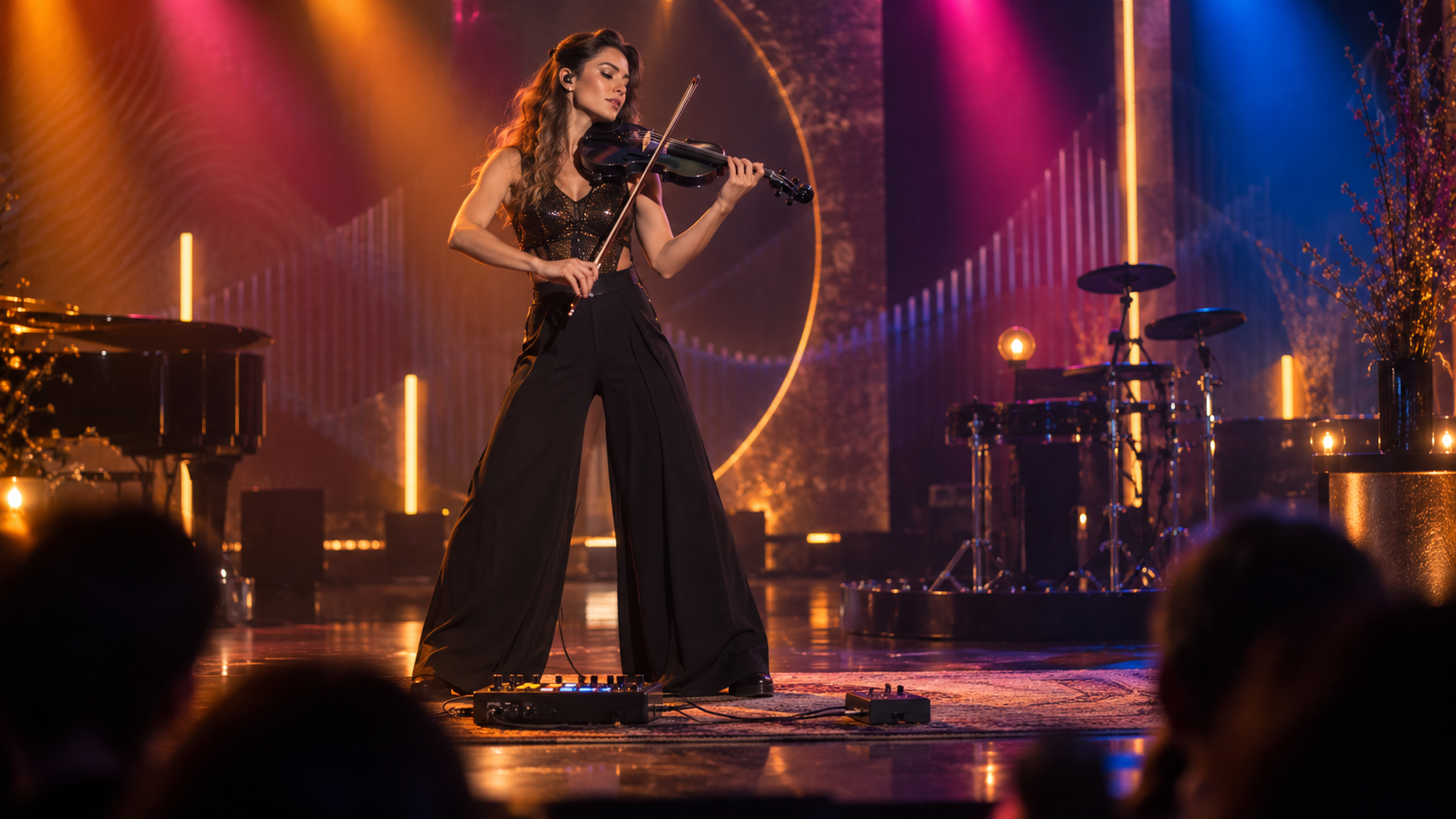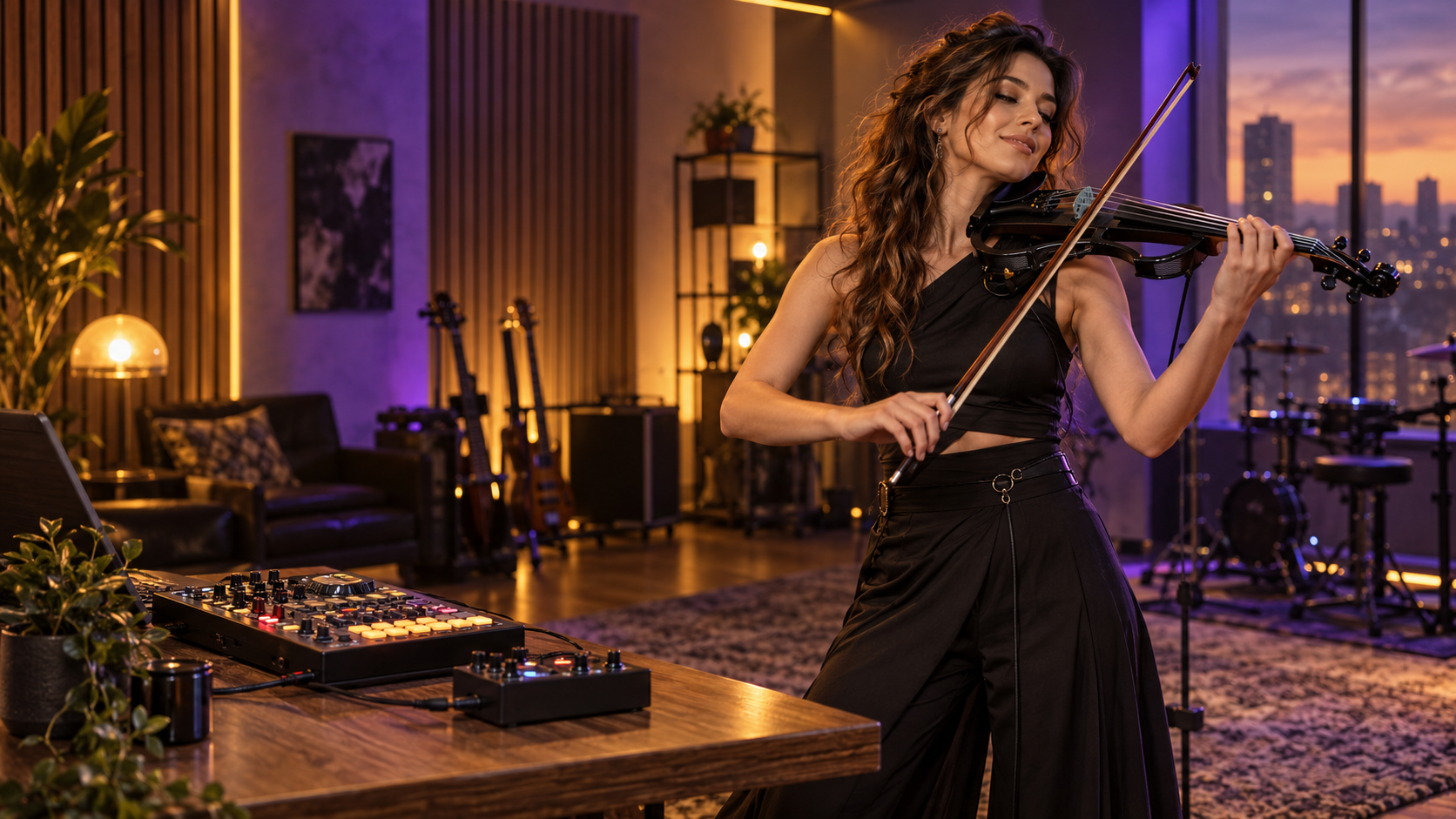
The best portable rhythm machine for an electric violinist is one that starts instantly, keeps dependable tempo and fits a real performance path from rehearsal to stage or video session. For a simple solo set, choose an easy groove box with foot-friendly control; for arranged backing tracks, choose deeper pattern editing and MIDI. Tanya Strings would favour a device that makes transitions calm, not clever on paper: the audience should hear a confident electric violin performance, while the rhythm stays solid underneath. Start with the smallest workflow you can run without looking down during a live entrance.
Some links in this article are affiliate links. I may earn a commission if you make a purchase, at no extra cost to you.
A rhythm machine is not a replacement for a band; it is a practical timing and arrangement tool. A solo electric violinist can use one for a reliable pulse, a sparse intro, a rehearsal framework or a creator-session backing bed. Prioritise immediate transport controls, sensible output routing and patterns you can save by song. If your setup includes a looper, make one device the tempo master before you add effects, wireless or video gear.
| Rhythm machine | Best fit | Why compare it | Watch for |
|---|---|---|---|
| Boss DR-01S Rhythm Partner | Simple solo rehearsal | Compact hands-on rhythm format | Pattern depth versus your set |
| Singular Sound BeatBuddy Mini 2 | Foot-controlled live songs | Pedalboard-friendly concept | Learn the control presses |
| Alesis SR-16 | Value programmed patterns | Established drum-machine workflow | Older interface style |
| Roland TR-6S | Electronic textures and MIDI | Deep compact sound design | Menu time before a gig |
| Korg KR mini | Fast, small practice sessions | Direct portable rhythm option | Keep expectations simple |
| Digitech SDRUM | Song-led rhythm ideas | Performance-oriented drum pedal approach | Confirm current availability |
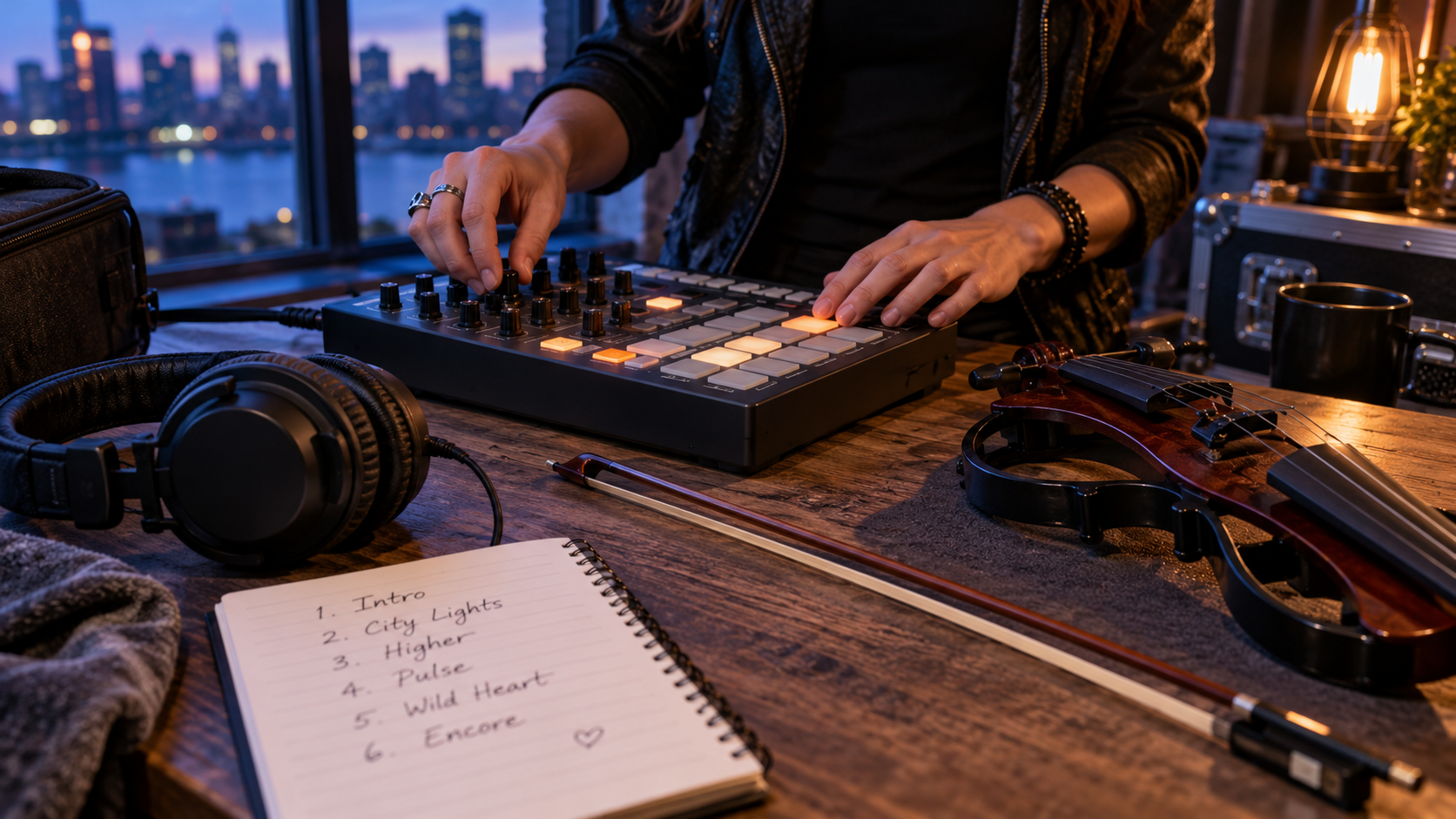
The Boss DR-01S is a focused option for performers who want a quick groove without building a production workstation. Its tabletop format suits a rehearsal room, dressing room or compact creator setup. Pros: direct purpose and a small footprint. Cons: it may feel limiting if your set requires elaborate song sections or MIDI coordination. It is strongest when a dependable pulse matters more than detailed programming.
Manufacturer details · Compare Amazon listings
BeatBuddy Mini 2 deserves attention when your rhythm needs to live at your feet alongside an electric violin pedalboard. Pros: a pedal-oriented form factor and an approach that can support song-by-song changes. Cons: every press has to become muscle memory, especially if you also control looping or effects. Rehearse starts, fills and exits with the same shoes and stage position you will use at the show.
Manufacturer details · Compare Amazon listings
Alesis SR-16 is a useful value comparison for a performer who wants many usable patterns and does not mind a more traditional drum-machine workflow. Pros: long-running familiarity in rehearsal and songwriting rigs, with broad pattern access. Cons: its interface is less immediate than a single-purpose stompbox. Build a small set of named song patterns before the first rehearsal rather than scrolling through sounds in front of collaborators.
Manufacturer details · Compare Amazon listings
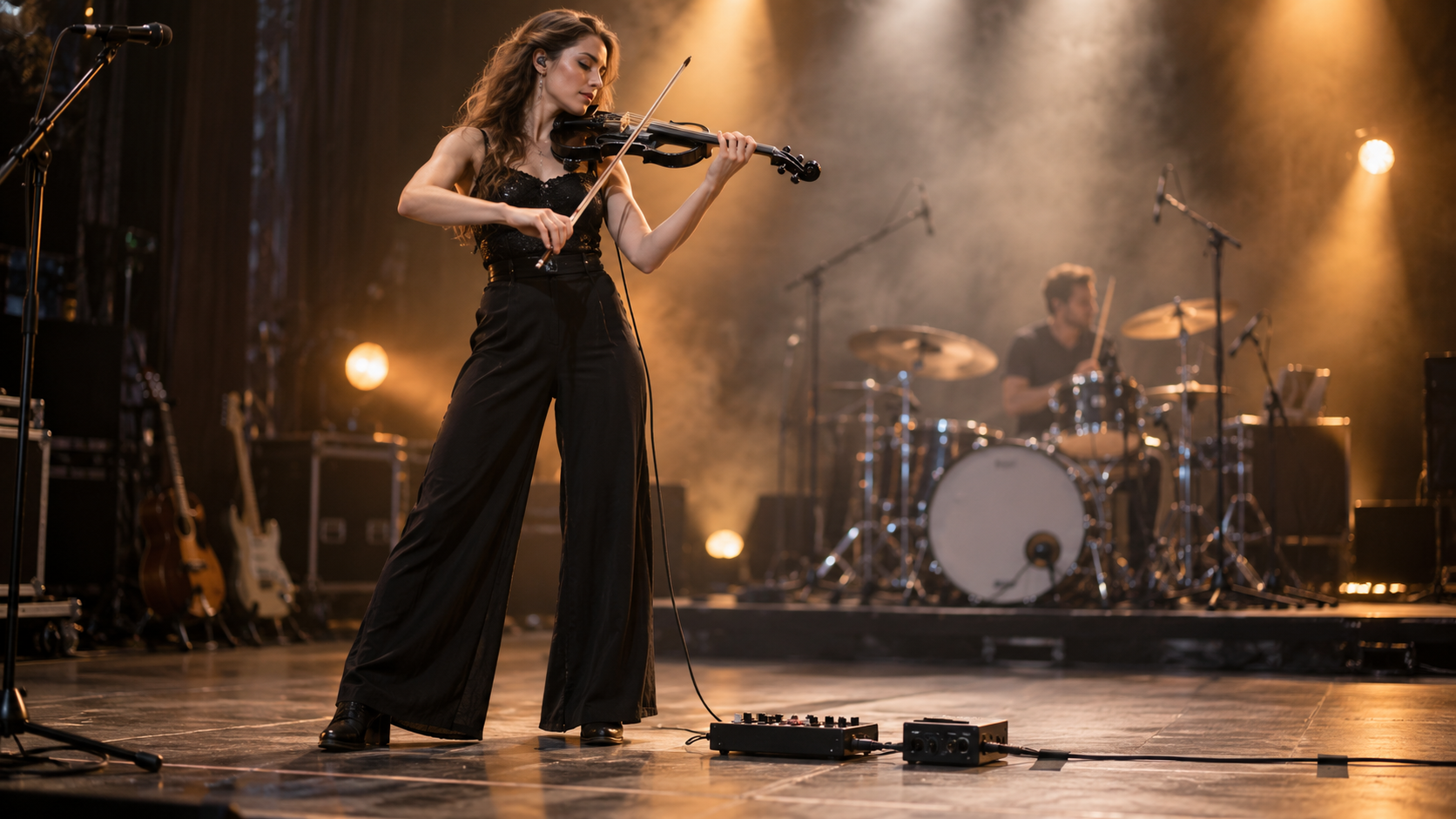
Roland TR-6S is worth comparing when the violin part sits inside more electronic arrangements, synced lights or a MIDI-based creator rig. Pros: compact form and deeper sound-shaping potential. Cons: depth also creates preparation work; it is a poor choice if you need a device you can master five minutes before doors. Save, label and back up a small performance bank, then protect it from accidental edits.
Manufacturer details · Compare Amazon listings
Korg KR mini is a compact, low-commitment reference for fast warmups, private rehearsal and uncomplicated accompaniment. Pros: portability and an approachable rhythm-first idea. Cons: it is not the device to buy for complex show control or custom production. For a performer, that limitation can be a virtue: use it to lock pulse and articulation before a concert rather than to design an entire backing production.
Manufacturer details · Compare Amazon listings
Digitech SDRUM is interesting for performers who think in song gestures and want a pedal-shaped rhythm workflow. Pros: it frames rhythm around performance rather than a full production screen. Cons: availability and support can vary by market, so confirm the exact unit, power requirements and return terms before planning a paid date around it. Use a backup rhythm plan if the show cannot tolerate a failure.
Manufacturer details · Compare Amazon listings
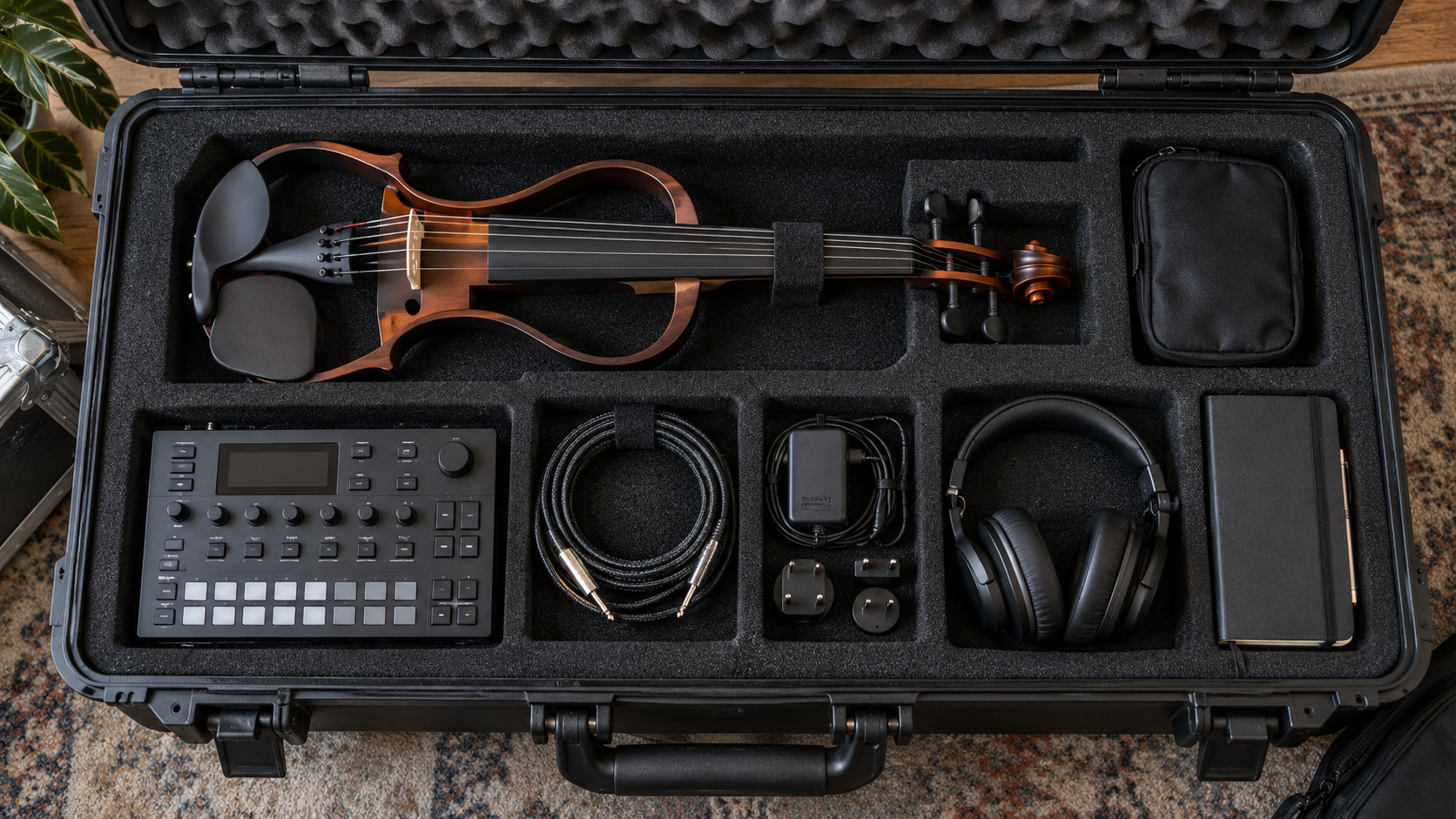
Place the unit where your bow arm and feet can reach it safely. A rhythm device that needs both hands at the wrong moment can turn an elegant entrance into a technical pause. Test count-ins, stops and tempo changes at full performance volume, with the same monitor mix you plan to use live.
Check outputs, mono or stereo needs, power draw and whether the rhythm machine needs a DI or mixer channel. Keep its gain separate from the violin. Tanya Strings would label the power supply and a short audio lead, then carry a tested spare cable: rhythm is only helpful if it arrives reliably at front of house.
A refined violin performance rarely needs the busiest possible beat. Choose patterns that leave room for bow detail, vibrato and silence. In video, test the playback against camera audio before filming; a pattern that sounds exciting in headphones can dominate a phone microphone or a compact PA.
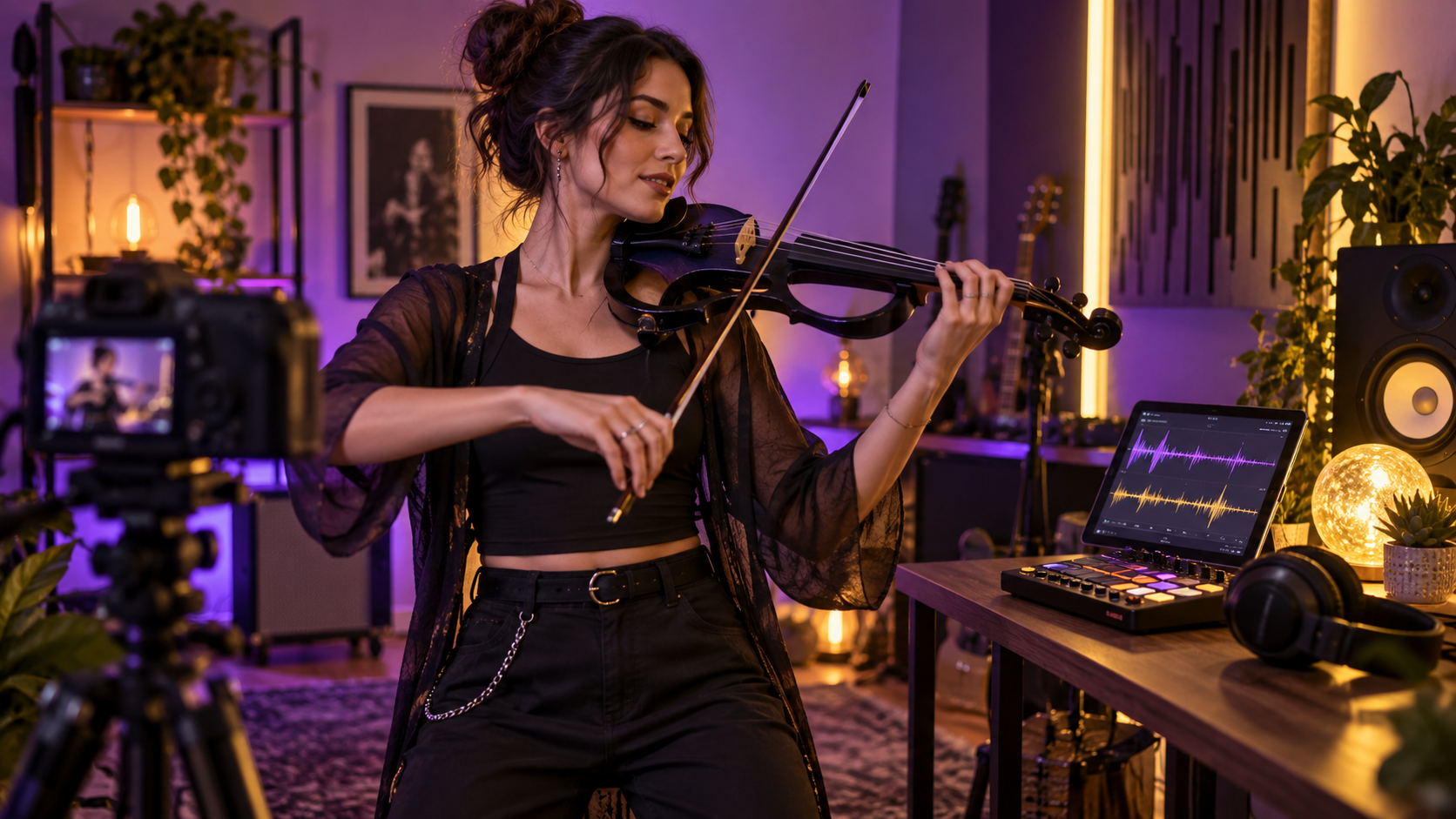
Tanya Strings is a world-class electric violin performer and content creator, so the goal is a rhythm system that supports a memorable visual and musical moment without stealing attention from the violin. I would begin with one pattern per song, a clear backup playback option and a soundcheck that includes every start and ending. For an intimate event, a sparse beat can set the pulse; for a filmed arrangement, tighter MIDI or edited backing may be the better tool. These are specification-based buying ideas, not claims that Tanya has personally tested every listed product.
Yes. It can supply a click, groove or backing pattern while the violin runs through its own amp, DI or pedalboard. Keep the rhythm machine in a separate, controllable part of the mix.
For solo sets, intros, rehearsals and controlled songs, yes. Choose a unit with simple starts, stops and tempo changes, then rehearse every transition exactly as it will happen on stage.
Not always. A looper captures phrases; a rhythm machine supplies the clock or groove. Some performers combine them, but a dedicated rhythm device can be the cleaner starting point.
Use the device outputs into a mixer, DI or powered speaker according to its manual. Set gain conservatively, confirm mono or stereo operation, and soundcheck it with the violin at performance volume.