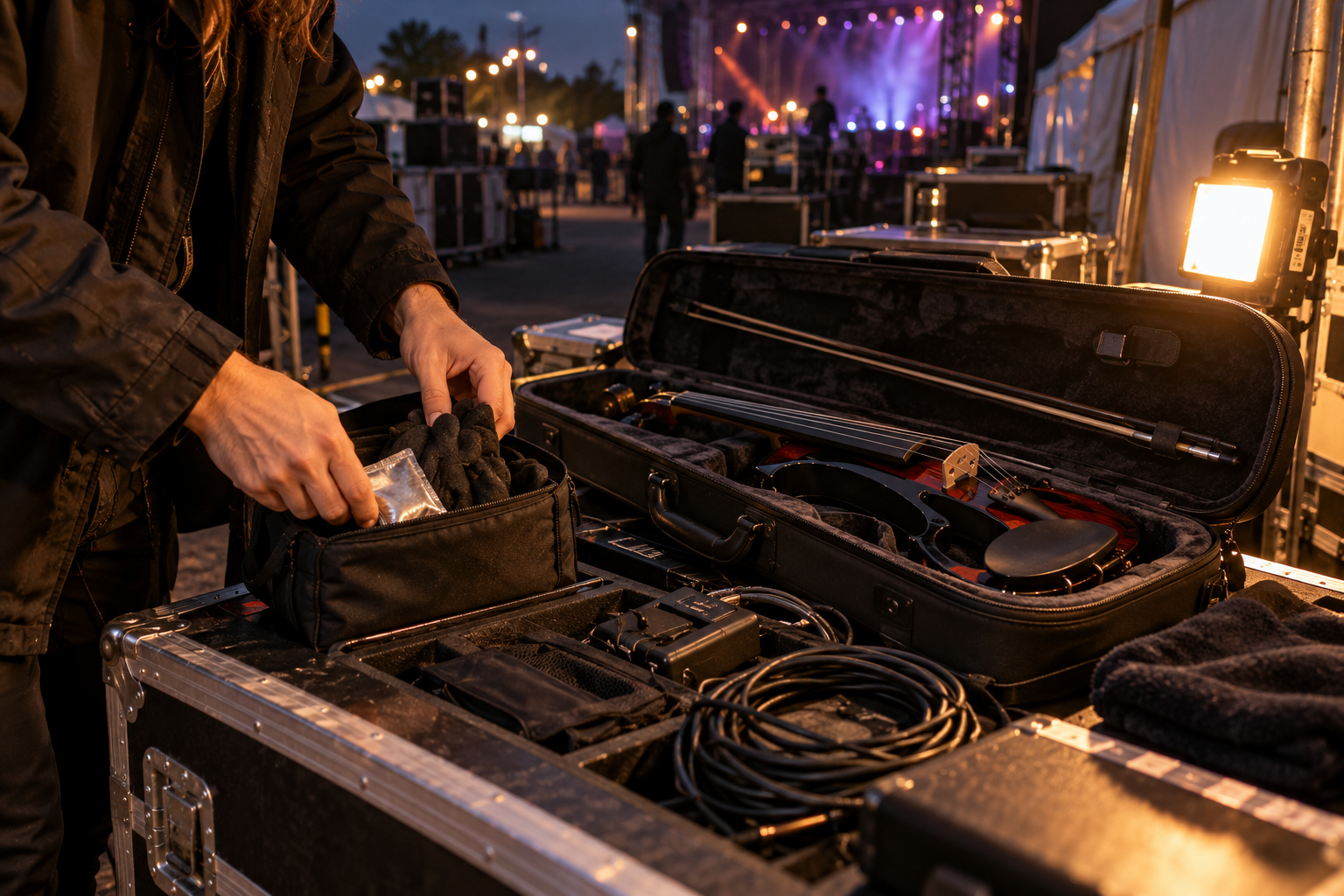
The best hand warmer for an outdoor violin gig is one that restores comfortable finger movement between songs without adding moisture, bulk or risk around your instrument. For most electric violin performers, that means a rechargeable warmer or air-activated packets kept in a separate pocket, not inside the case. Compare OCOOPA Rechargeable Hand Warmer, Zippo 12-Hour Refillable Hand Warmer, HotHands Super Warmers, The Heat Company Handwarmer, Orastone Rechargeable Hand Warmer and PEYOU Rechargeable Hand Warmer by runtime, recharge plan and how cleanly they fit a show-day routine. Tanya Strings treats warmth as performance readiness: relaxed hands support intonation, bow control and a confident camera-facing set.
Some links in this article are affiliate links. I may earn a commission if you make a purchase, at no extra cost to you.
Choose a model you can use before the downbeat and between numbers, then put away before playing. Rechargeable units reduce waste for recurring work; air-activated packs are simple, silent insurance when outlets are uncertain. Avoid direct contact with your violin, bow, rosin or electronics. The goal is warm, dry, responsive hands—not a hot object in an instrument case.
| Option | Best for | Pros | Watch for |
|---|---|---|---|
| OCOOPA rechargeable | Regular outdoor dates | Reusable, compact | Charge it before call time |
| Zippo 12-Hour | Long cold calls | Extended warmth | Fuel handling and ventilation |
| HotHands Super Warmers | Simple backup packs | Lightweight, no charging | Single-use waste |
| The Heat Company | Layered glove pockets | Easy pocket format | Keep away from gear foam |
| Orastone rechargeable | Small touring pouch | Reusable form factor | Confirm runtime setting |
| PEYOU rechargeable | Budget spare unit | Portable backup | Test controls at home |
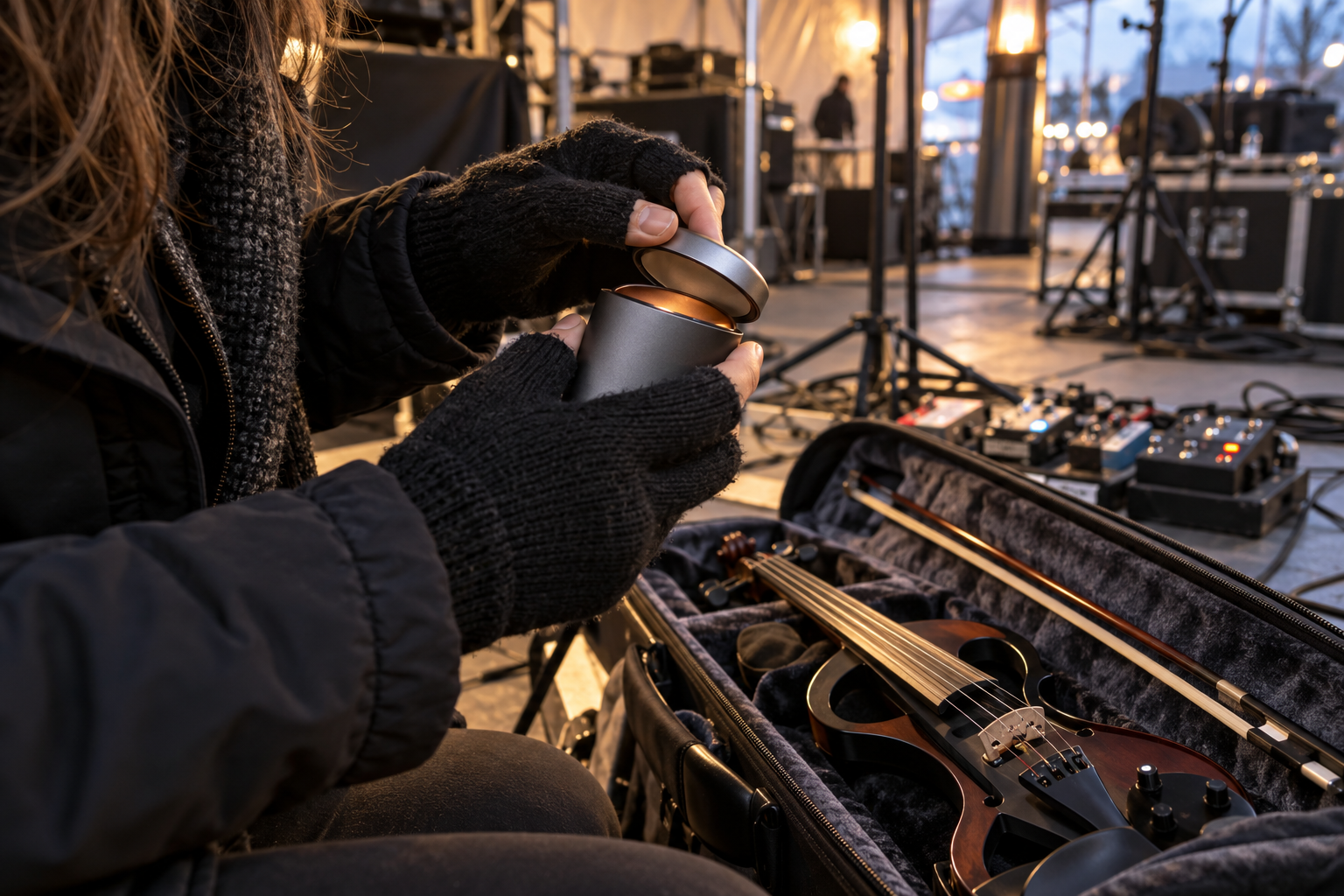
OCOOPA is a strong comparison for artists with repeat outdoor work who want one rechargeable item in the show pouch. Pros: reusable and compact. Cons: it only helps if charging is part of your pre-show checklist. Compare Amazon listings
Zippo belongs on a shortlist for a long, genuinely cold call where extended duration matters. Pros: long-running format. Cons: fuel requires careful handling; use it away from the instrument and follow its safety directions. Compare Amazon listings
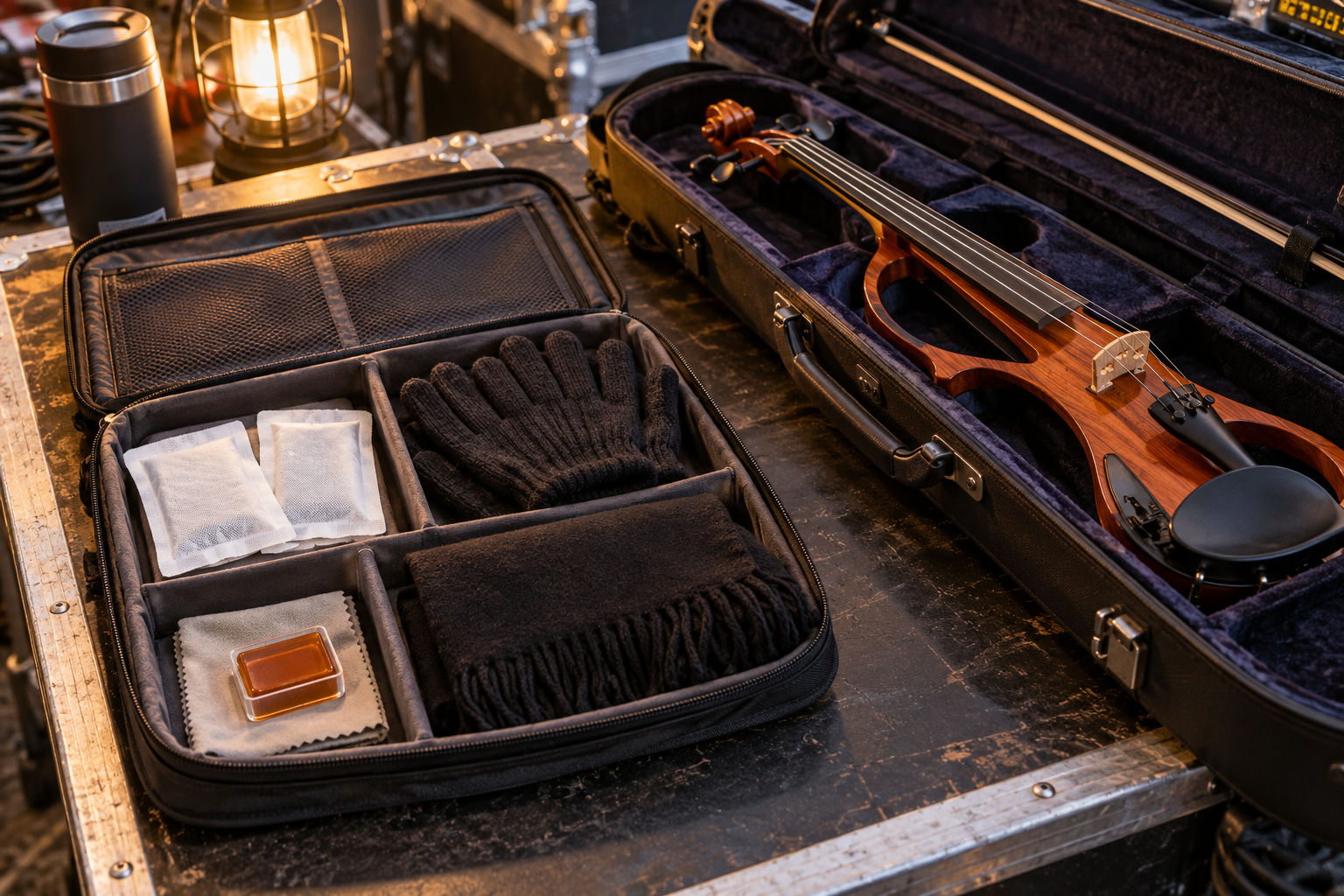
HotHands makes sense as a no-charging reserve in a road case pocket. Pros: light and immediate to deploy. Cons: it is disposable, so plan for responsible packing-out after the show. Compare Amazon listings
The Heat Company is worth comparing when you already use glove pockets while waiting backstage. Pros: easy to stage in a clothing layer. Cons: remove gloves and the warmer before the bow needs full tactile control. Compare Amazon listings
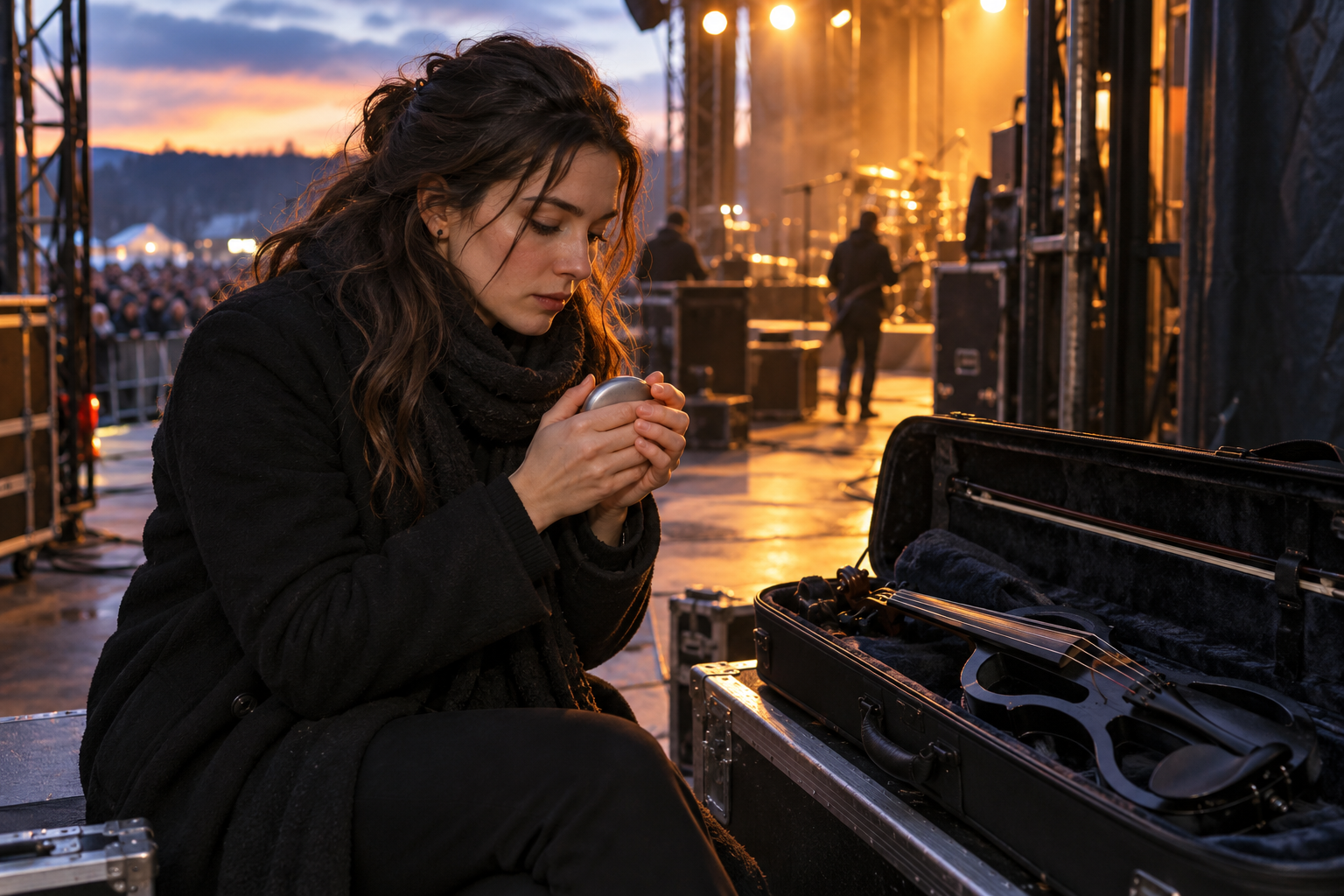
Orastone is a compact rechargeable option to compare for a slim accessory pouch. Pros: reusable format and simple pocket use. Cons: check the actual heat level and charge state well before doors. Compare Amazon listings
A PEYOU unit can be a useful spare when a two-person crew or long outdoor date needs redundancy. Pros: portable second option. Cons: test it at home so button placement never becomes a backstage puzzle. Compare Amazon listings
Use a small pouch or outer pocket. Active heat and case humidity management are different jobs, and a warmer should never rest directly on varnish, strings, bow hair or sensitive electronics.
Map the real call: arrival, setup, soundcheck, holding time and performance. A compact backup is more valuable than a high rating you have not tested in cold air.
Rehearse the pocket, glove and warmer routine. Your hands should be free, dry and natural before you take the instrument.

Tanya Strings is a world-class electric violin performer and content creator, so a cold-weather accessory has to support both the playing and the visual confidence of the show. I would warm my hands before stage time, keep the unit in an outer pocket between songs, and protect the instrument with its own stable case routine. I would not let any warmer touch the violin or rely on it as a substitute for a proper warm-up. These are performer-focused buying considerations, not a claim that Tanya has personally tested every product listed.
A rechargeable unit or air-activated backup kept in a separate pocket is the most practical approach.
Keep active warmers separate from the instrument and its case lining; they are not case-climate tools.
Use them before the set and between songs, then remove them when full bow and fingerboard control matters.
One active pair plus a charged or unopened backup covers most outdoor calls.