Violin News: Premieres, Balanas and Himari
This week’s violin watchlist moves from Canadian premieres to a one-player electronics set and a major young-artist debut. On November 5, Irmina Trynkos brings Claudia Montero’s violin concerto to Toronto alongside new works; on November 17, Roberts Balanas takes violin and electronics to Barcelona’s Petit Palau; and St. Louis introduces Himari to its audience later this month. The common thread is purposeful programming. Tanya’s performer take: today’s world-class violin career needs more than immaculate playing. It needs a point of view that audiences can hear in the repertoire, see on stage and follow online.
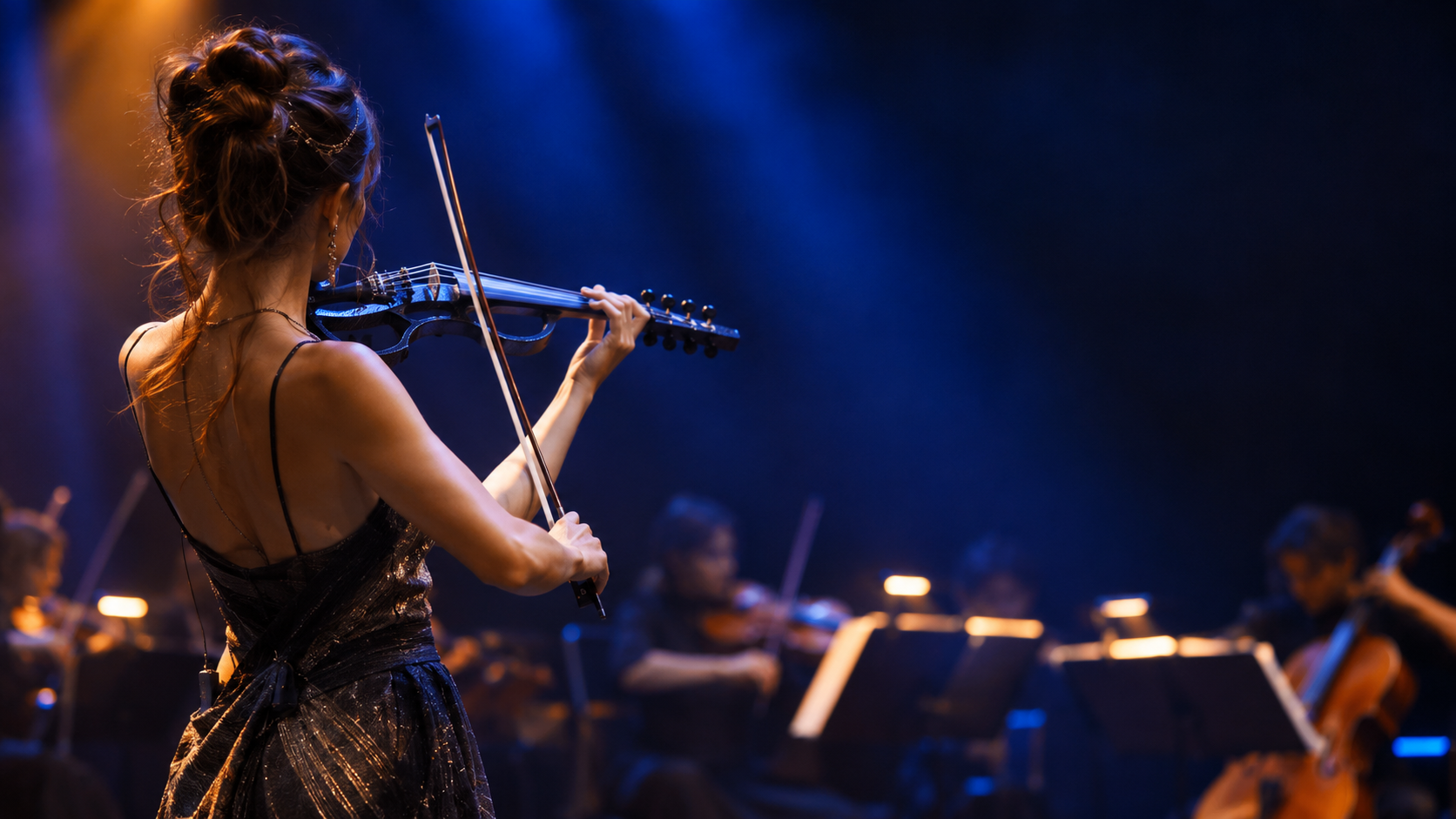
Original Tanya Strings editorial image; it is not a photograph from the reported events.
Why do the Toronto premieres deserve attention?
Sinfonia Toronto’s November 5 programme, “The Suite Life,” pairs Irmina Trynkos with the Canadian premieres of Mieczysław Weinberg’s Concertino for Violin and Claudia Montero’s Latin Grammy-winning Violin Concerto. The concert also lists Canadian premieres by Vache Sharafyan, alongside Mozart and Warlock. That is a smart concert design: a soloist can offer the immediate human focus that listeners expect while the programme makes room for music they are unlikely to meet elsewhere.
For presenters, the lesson is that a premiere needs clear framing, not a defensive explanation. Name the artist, say what the work’s sound world offers and let the contrast between pieces create curiosity. For audiences, this is a chance to hear the violin acting as both a familiar voice and a route into new repertoire.
What can performers borrow from that approach?
- Put one accessible anchor in a set, then make the new or personal material feel intentional beside it.
- Give collaborators a concise story to share before the show rather than an overlong programme note.
- Film the transition between sound worlds in rehearsal; that is often the strongest short-form content.
Tanya’s take: a fresh work lands more confidently when the audience can feel where it sits in the evening’s emotional arc.
How is Roberts Balanas making electronics part of the musical argument?
At the Palau de la Música Catalana on November 17, Roberts Balanas presents “a journey between violin and electronics.” The programme moves from a recomposition of music from the Llibre Vermell de Montserrat through Steve Reich to arrangements of Radiohead, Björk and Sílvia Pérez Cruz, with a Spanish premiere by Jabeau. It is a useful reminder that electronic violin performance is strongest when technology serves a musical route, rather than appearing as decoration.
The practical rig may be compact, but the artistic preparation is not. A player needs dependable gain staging, careful loop or playback timing, a monitoring plan and transitions that do not break the atmosphere. Event planners should also treat the soundcheck as part of the performance design: an electronics-led violin programme needs enough time to balance direct signal, room sound and any playback before doors open.
Why is Himari’s St. Louis debut a signal for the next generation?
The St. Louis Symphony Orchestra’s November announcement includes the orchestra’s debut with violinist Himari. The official release places that appearance within a month that also mixes orchestral classics, chamber music, broadcasts and a community concert with music educators. The detail matters because a debut is rarely just a calendar line: it is a new relationship between an artist, an institution and a local audience.
For young musicians and creators, the useful idea is not to imitate anyone’s career timetable. It is to make every public appearance legible. A well-shot performance clip, a short artist introduction and a programme that lets an individual sound emerge help a new audience stay connected after the applause. For music fans, these first encounters are part of the excitement of live culture.
What should performers and planners watch next?
These November dates point to three durable choices: commission or programme living repertoire, make technology audible as part of the concept, and introduce artists with enough context for a relationship to begin. Tanya Strings builds shows from the same performer-first logic: polished violin craft, electric sound, original arrangements and creator-led storytelling shaped for a real room and a real feed. The equipment matters, but the identity behind it is what gives the audience a reason to return.
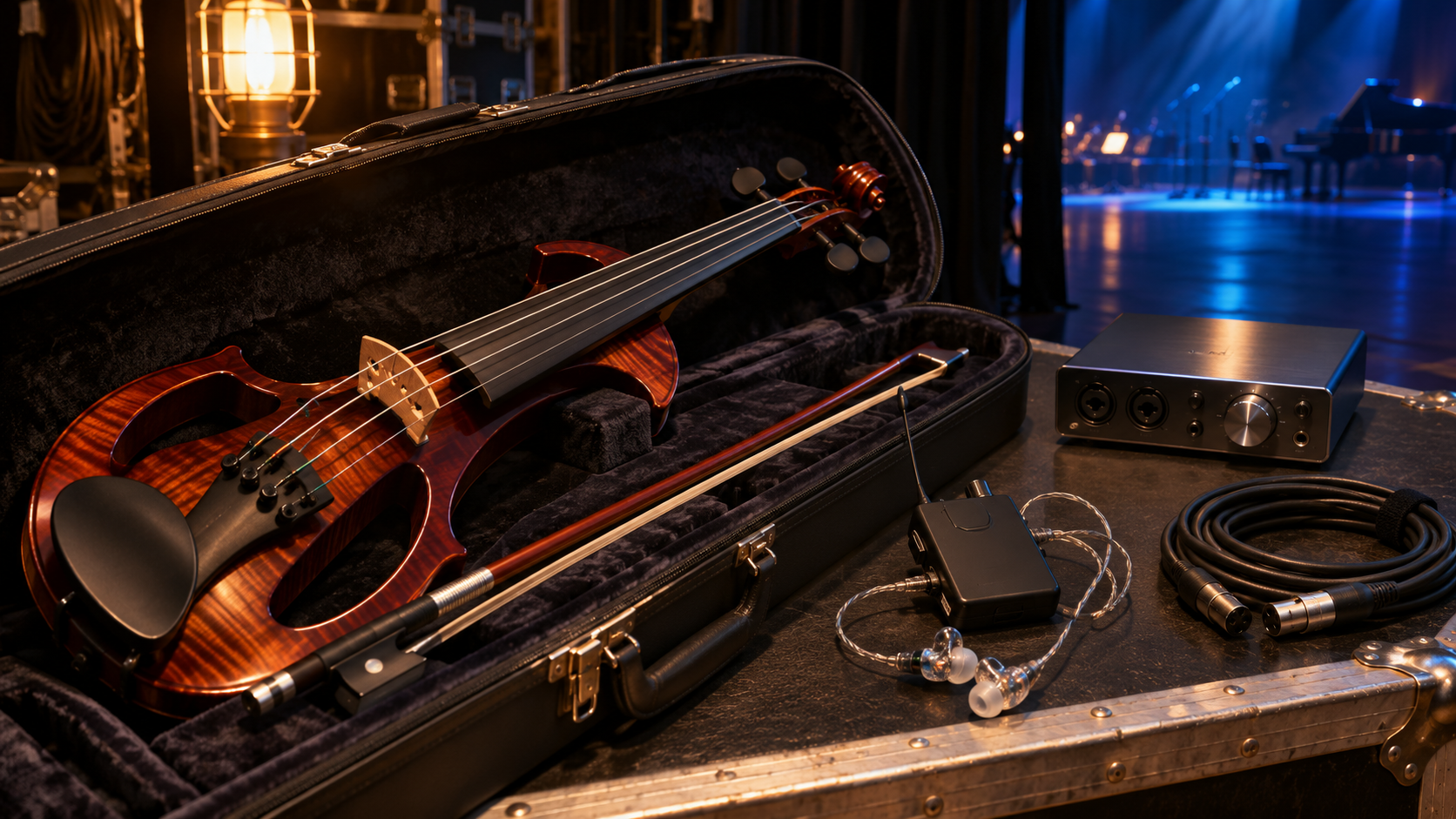
Original Tanya Strings editorial image; it is not a photograph from the reported events.