Lighting · 2026-07-15
Best Portable LED Video Lights for Electric Violinists Who Film Performances and Content
The best portable LED video light for most electric violinists is the Zhiyun MOLUS X100 because it gives you enough flattering key-light power for performance reels, packs smaller than traditional studio fixtures, and moves from hotel-room rehearsal clips to polished content shoots without making the setup feel heavy. SmallRig RC 60B is the smarter value pick, Godox ML60II Bi is the safer battery-flex option, Aputure MC Pro and amaran Ace 25c are the pocket lights I would add for detail shots, and Nanlite PavoTube II 6C is the creative accent tool. Buy your first light for controllable key light, clean power options, and fast setup.
Follow Tanya Strings on Google
Add the site as a preferred source to see more new violin posts from Tanya Strings in Google.
Affiliate disclosure: Some links in this article are affiliate links. I may earn a commission if you make a purchase, at no extra cost to you.
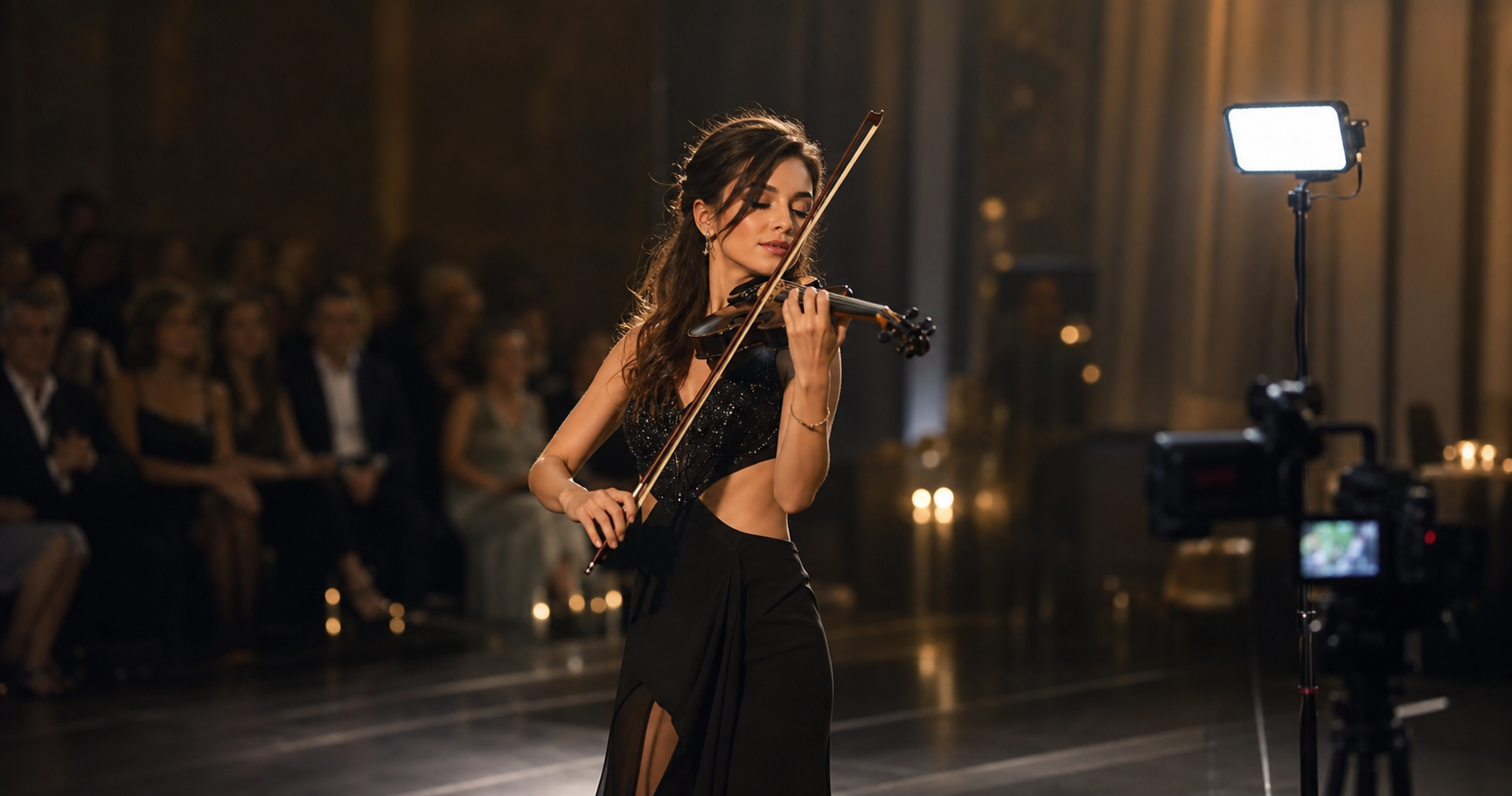
What is the best portable LED video light for most electric violinists?
For most performers, I would buy the Zhiyun MOLUS X100 first. Tanya Strings needs one light that can handle a rehearsal-room talking clip, a classy backstage recap, and a clean electric violin performance reel without forcing a giant case or a slow setup. The X100 wins because it sits in the practical middle: more serious than a pocket accent light, lighter than a traditional studio head, and easier to keep in a real travel workflow. If your content already depends on the rig choices I cover in my tablet mount guide and portable recorder roundup, this is the lighting buy that pulls the picture together.
My performer rule: if the light takes longer to place than the violin takes to tune, it will stay at home too often.
Why does portable lighting matter if the violin already looks dramatic on camera?
Because electric violin is visually unforgiving. The instrument has glossy curves, quick bow movement, and a face-to-instrument angle that looks expensive under shaped light and ordinary under flat room light. Tanya Strings is not buying video lights to imitate a cinema crew. I am buying them because a compact controlled key light makes the jawline cleaner, the bow arm more readable, and the instrument contour more intentional in everything from vertical clips to polished website reels. That matters whether the content supports bookings, brand deals, or the kind of premium identity that makes the whole performance package feel coherent.
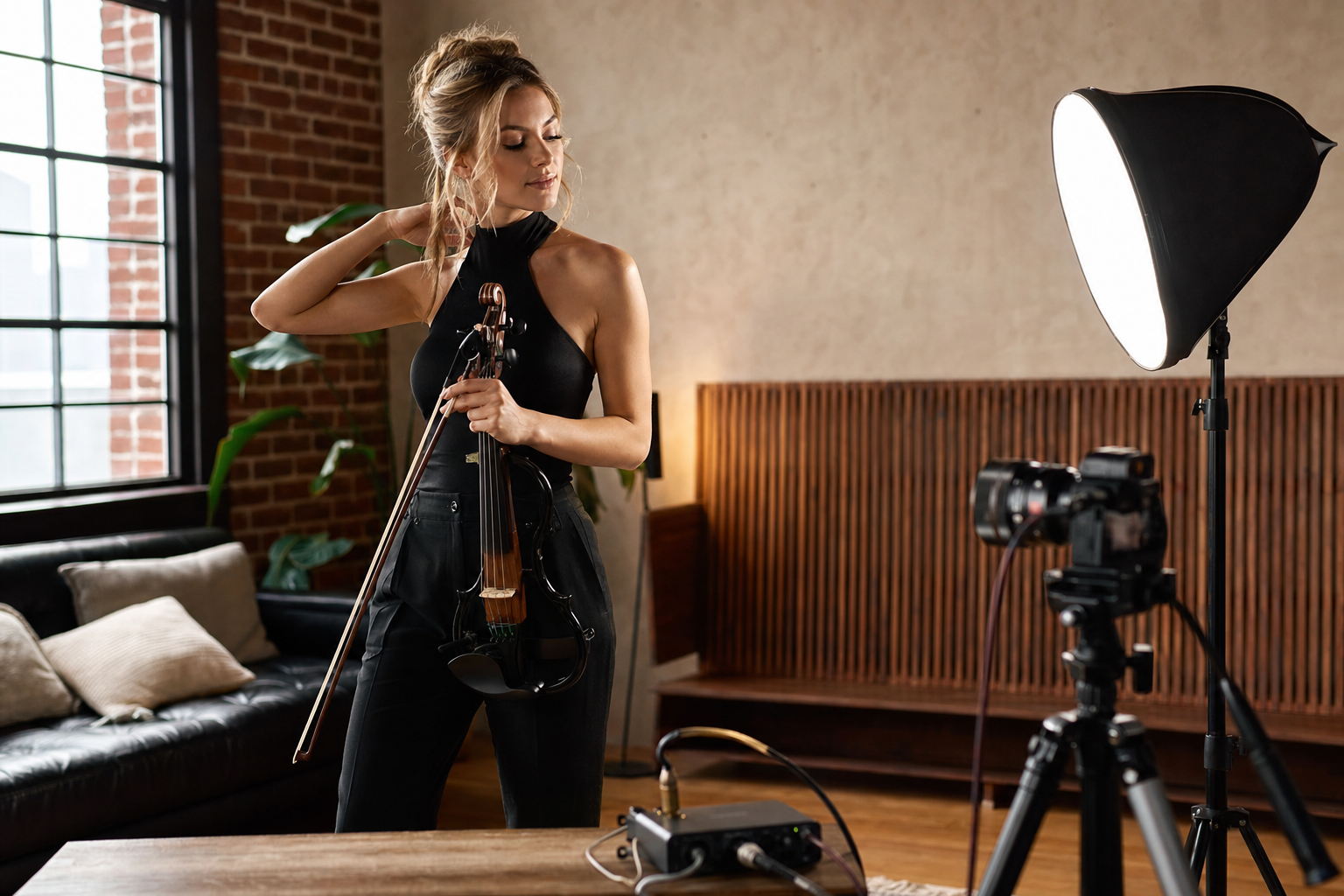
Which portable LED video lights are worth buying right now?
This shortlist stays focused on lights that a working electric violin performer can actually carry, power, and use without breaking the rhythm of setup. I care about output, bag footprint, power flexibility, and whether the light earns space beside the violin, camera, and travel accessories.
| Product | Best for | Why Tanya would use it | Watch out for | Links |
|---|---|---|---|---|
| Zhiyun MOLUS X100 | Most electric violinists who want one strong travel-ready key light | I would trust it when I need the first serious light that can cover interviews, reels, rehearsal clips, and clean performance framing without a bulky cinema case. | It still needs disciplined placement and a small modifier plan if you want the most flattering result. | Official · Amazon |
| SmallRig RC 60B | Creators who want a lower-spend compact COB light with real usefulness | I like it when the goal is to get out of bad room light fast and start producing cleaner clips without jumping straight to a more expensive light. | It is the value pick, not the widest-output choice, so very bright rooms still ask more from placement. | Official · Amazon |
| Godox ML60II Bi | Players who want a portable bi-color light with flexible location options | I would choose it when I care about easy color-temperature matching and a workflow that can move between home, venue corners, and quick location shoots. | It is still a real light head, so it is less pocket-friendly than the smaller accent tools below. | Official · Amazon |
| Aputure MC Pro | Detail shots, accent color, magnetic placement, and hard-to-light corners | I would pack it when I need a tiny premium helper light for fingerboard details, backstage atmosphere, or quick rim accents around the violin. | It is a support light, not the first answer for flattering main-shot key light. | Official · Amazon |
| amaran Ace 25c | Phone-first creators who want a compact RGB pocket light with clean creator energy | I like it for fast vertical content, small bag workflows, and short backstage pieces where I want the light to stay simple and visually tidy. | It helps a compact content rig, but it does not replace a stronger key light for the main frame. | Official · Amazon |
| Nanlite PavoTube II 6C | Creative background separation and premium short-form visual identity | I would add it when the goal is to give violin clips more shape, color control, and a stronger creator signature behind the performance. | It is usually the second or third lighting purchase, not the one that rescues the first shot. | Official · Amazon |
Why is Zhiyun MOLUS X100 my best overall pick?
The X100 is the light I would hand to the most people first because it solves the real problem. The real problem is not a missing accent color. It is the lack of one dependable key light that can make Tanya Strings look composed in different rooms without a full production team. The X100 feels serious enough for polished clips and light enough for actual travel. That balance matters. When the content schedule includes hotel rooms, rehearsal spaces, venue hallways, and creator corners, extreme studio-minded gear stops being attractive very quickly.
Who should buy Zhiyun MOLUS X100 first?
Buy it first if you want one light that can sit at the center of your visual workflow for reels, booking videos, talking segments, and compact multi-camera performance captures.
- Pros: strong main-light value, compact travel shape, serious step up from room lighting, and broad usefulness across performer and creator work.
- Cons: still benefits from a small modifier setup, and it is more expensive than a budget-first entry point.
See Zhiyun lights · Find MOLUS X100 options on Amazon
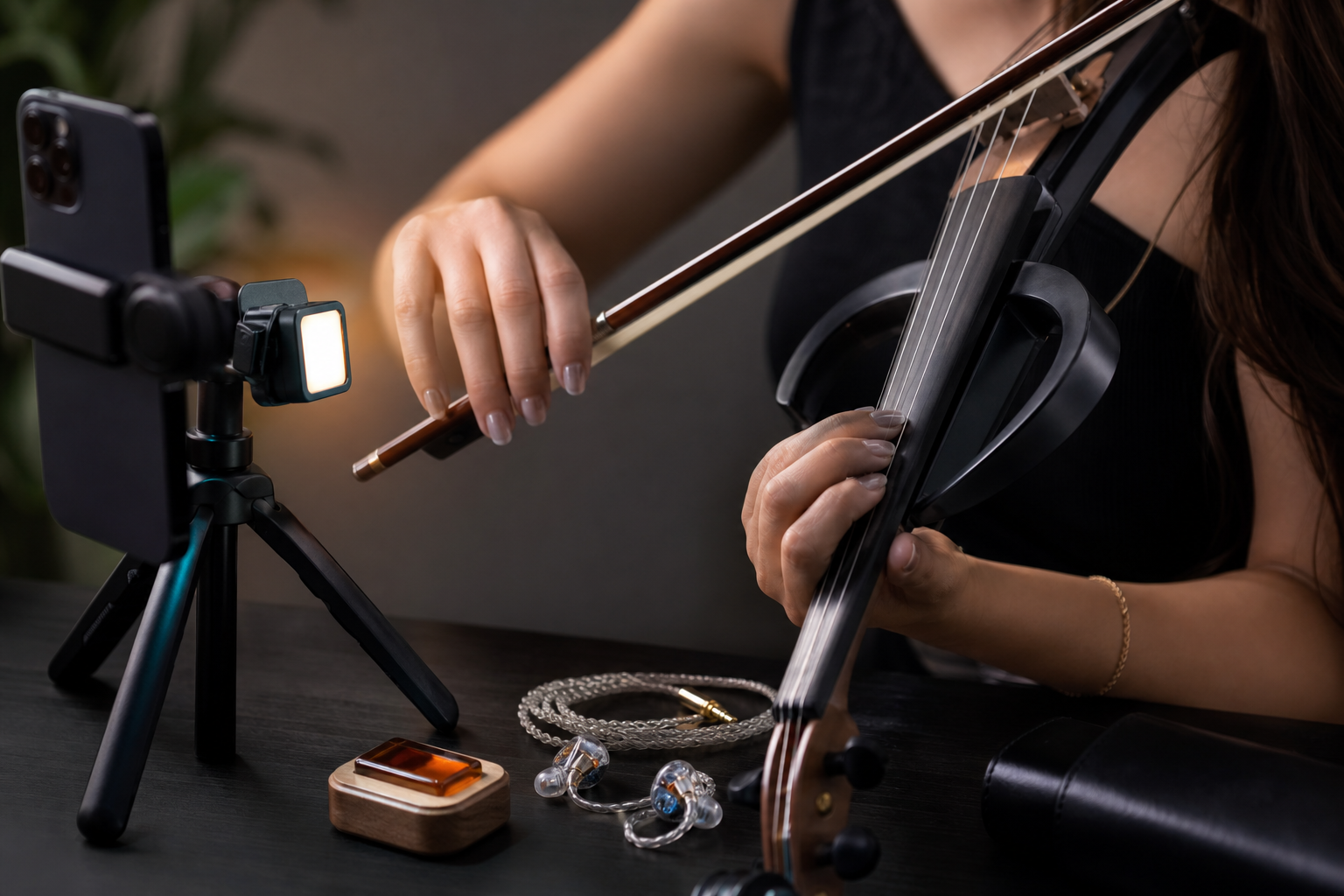
When should you buy SmallRig RC 60B or Godox ML60II Bi instead?
These are the smarter buys when the best-overall answer is not the best personal answer. SmallRig RC 60B is the move when cost discipline matters and you still want a real jump in image quality. Godox ML60II Bi makes more sense when you care more about flexible location use, matching mixed room color, and a safer path for different kinds of shoots. Tanya Strings chooses between them based on how often the light leaves the main studio bag and how often I need to work around ugly venue lighting in a hurry.
When is SmallRig RC 60B the better value?
Choose RC 60B when you want your first usable key light at a more disciplined spend and you are willing to solve part of the result through good placement rather than brute output.
- Pros: lower-spend entry into real key lighting, compact footprint, and strong usefulness for solo creator work.
- Cons: less headroom than the bigger pick when the room is bright or the framing gets wider.
See SmallRig creator lights · Find RC 60B options on Amazon
When is Godox ML60II Bi the safer flexible buy?
Choose ML60II Bi when location flexibility and bi-color control matter more than the smallest possible bag footprint.
- Pros: practical color-temperature range, good fit for mixed lighting, and strong location-minded versatility.
- Cons: bulkier than a pocket light and less casual to throw into the smallest travel kit.
See Godox lights · Find ML60II Bi options on Amazon
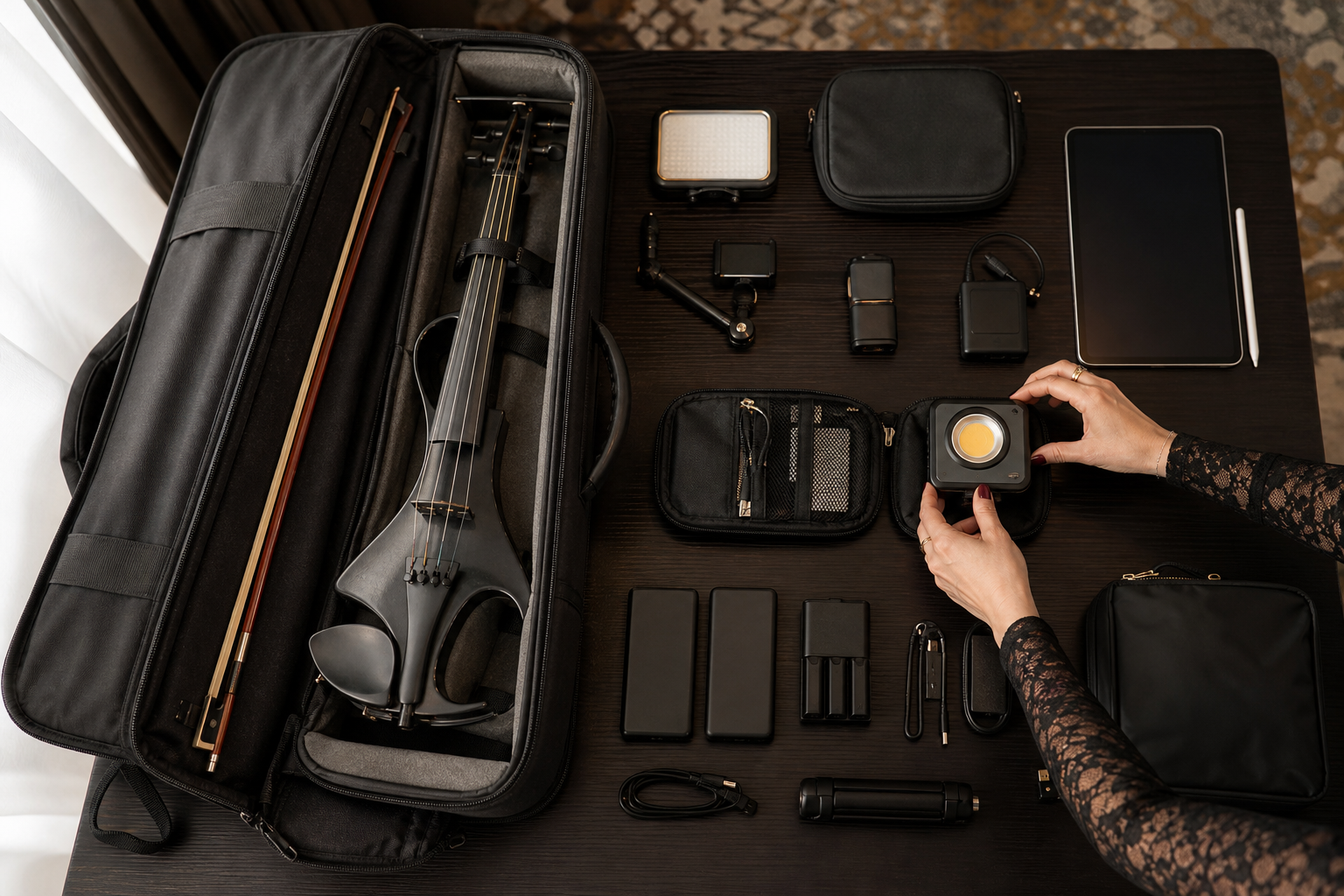
Why would I still carry Aputure MC Pro or amaran Ace 25c?
Because pocket lights do a different job, and that job matters. A main key light shapes the performer. A compact pocket light fixes the extra ten percent that makes content feel intentional: fingerboard detail, a small edge on the jawline, a little glow behind the shoulder, or a better backstage angle when there is no room for a stand. Tanya Strings would never let a pocket light replace the main light in the bag, but I would absolutely let it rescue smaller shots that clients and audiences remember.
When is Aputure MC Pro worth the higher-end pocket lane?
Choose MC Pro when you want a tiny light that still behaves like serious production gear and can hide, mount, or magnet its way into awkward spaces.
- Pros: compact premium build, strong utility for detail work, and excellent fit for discreet accent placement.
- Cons: overkill if you still do not own a proper first key light.
See Aputure MC Pro · Find MC Pro options on Amazon
When is amaran Ace 25c the cleaner creator buy?
Choose Ace 25c when your workflow is more phone-first, more vertical, and more about fast creator output than about building a mini cinema cart.
- Pros: compact creator appeal, quick-use pocket format, and strong fit for short-form and backstage work.
- Cons: still a support light, so the main frame can look underlit if this is your only lighting purchase.
See amaran creator lights · Find Ace 25c options on Amazon
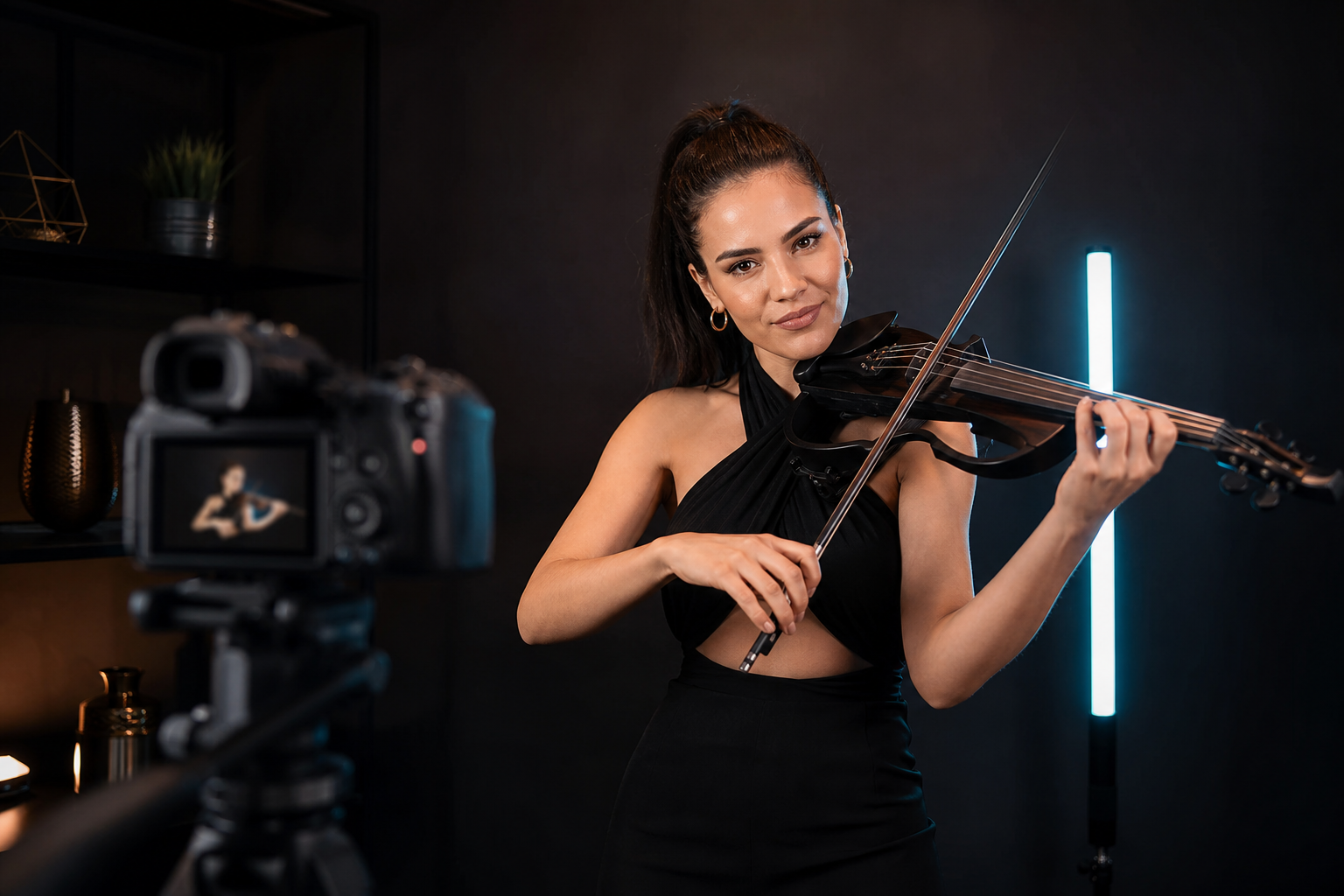
When is Nanlite PavoTube II 6C worth adding for creative shots?
The Nanlite tube becomes worth it when the first clean image problem is already solved and the next goal is identity. Tanya Strings thinks about lighting like stage design in miniature. Once the face, violin, and bow arm look clear, the next improvement is often background shape. A compact tube helps create separation, a recognizable color cue, or a little motion-friendly atmosphere for vertical clips and promo teasers. That is why I like it as the stylish extra, not the foundation purchase.
Who gets the most from a compact tube light?
Performers who already produce content consistently, care about a repeatable visual signature, and want an easy background accent for social clips, short promos, and website refreshes.
- Pros: creative background control, compact accent option, and strong visual identity upside.
- Cons: limited value as a first light because it does less to fix the main subject than a compact key light does.
See Nanlite lights · Find PavoTube II 6C options on Amazon
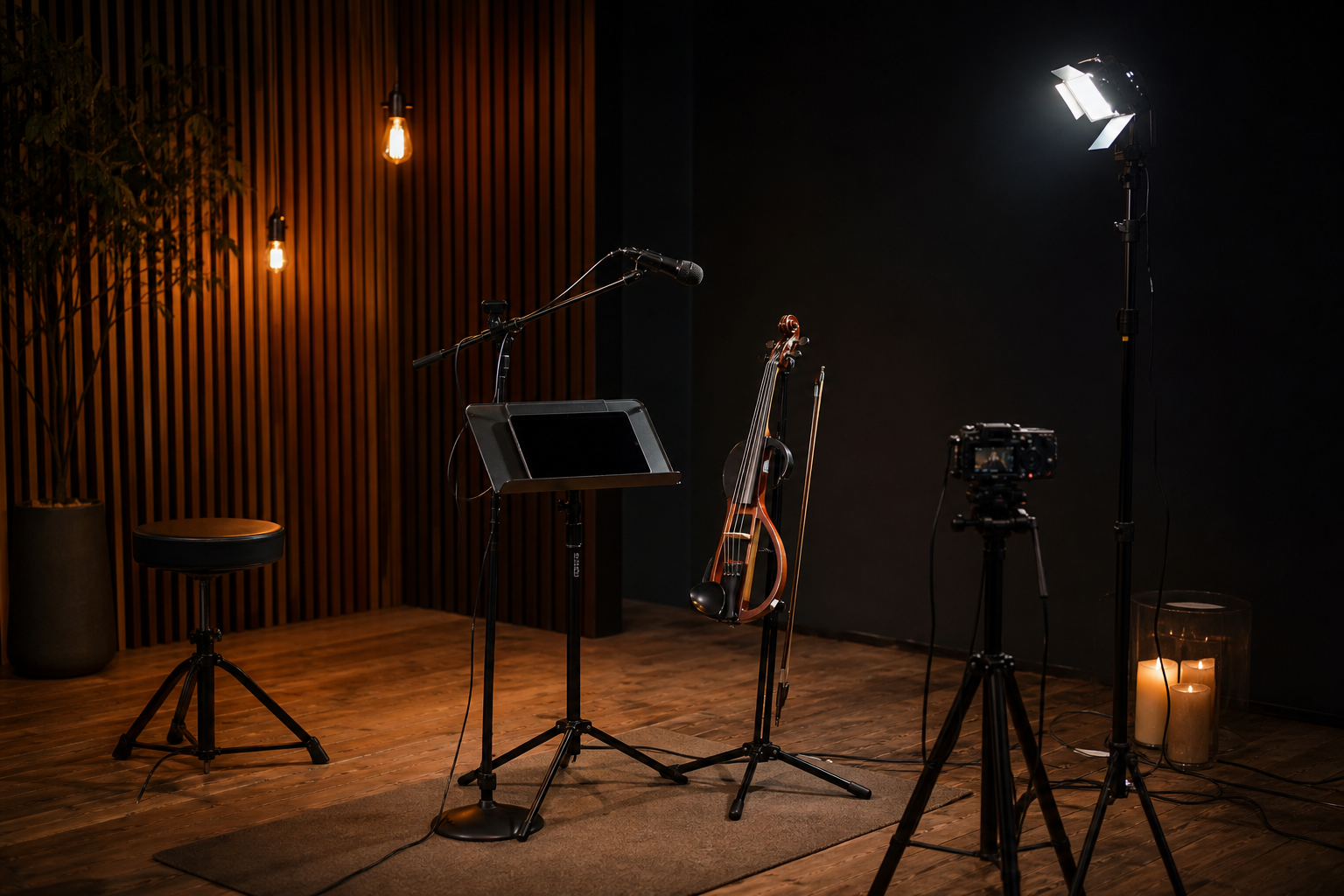
What should you check before buying a light for performance reels and backstage content?
Buy for real workflow pressure, not for spec-sheet fantasy. Electric violin content happens in rooms with limited floor space, reflective surfaces, fast setup windows, and a lot of other gear already competing for attention. Tanya Strings buys the light that gets used often and looks good quickly.
My buying checklist:
- Buy one controllable key light before buying several accent lights.
- Check how the power system behaves in hotel rooms, backstage corners, and fast rehearsal changes.
- Think about stand footprint because the violin, the bow path, and the camera already take more room than they seem to.
- Use pocket lights for detail, accent, or backstage fixes instead of asking them to replace the main source.
- Match the light to the rest of the creator rig, especially if you already use a violin microphone or a compact stage setup that needs quick deployment.
My buying order: first a compact key light, then a small pocket support light, then a tube or color accent if your content schedule really justifies it.
FAQ
What is the best portable LED video light for most electric violinists?
Zhiyun MOLUS X100 is my best overall answer because it gives you serious main-light value without demanding a huge studio footprint.
Should I buy a COB light or a pocket light first?
Buy the compact COB light first. That is the purchase that improves the main frame. Pocket lights are better as a second step.
How bright should a portable light be for violin reels?
For most solo content, a well-placed 60W to 100W key light is enough. Distance, diffusion, and angle often decide the result more than headline wattage.
Are tube lights worth it for performance content?
Yes, once your main key light is already covered. A compact tube is best for visual identity, background separation, and stylish short-form clips.