Control · 2026-07-16
Best Expression Pedals for Electric Violinists Who Want Real-Time Effect Control on Stage
The best expression pedal for most electric violinists is the BOSS EV-30 because it gives Tanya Strings a compact, smooth, stage-ready sweep, two isolated outputs, and broad compatibility without turning the pedalboard into furniture. If you run HX Stomp or HX One, Line 6 EX-1 is the easiest brand-matched buy, while Mission Engineering EP1-L6 is the better premium long-throw option for players who live on dramatic swells and parameter morphs. Roland EV-5 is the simple compact alternative, BOSS EV-1-WL is the advanced MIDI answer, and Moog EP-3 is the value pick when budget matters. Buy compatibility first, then pedal feel, then footprint.
Follow Tanya Strings on Google
Add the site as a preferred source to see more new violin posts from Tanya Strings in Google.
Affiliate disclosure: Some links in this article are affiliate links. I may earn a commission if you make a purchase, at no extra cost to you.
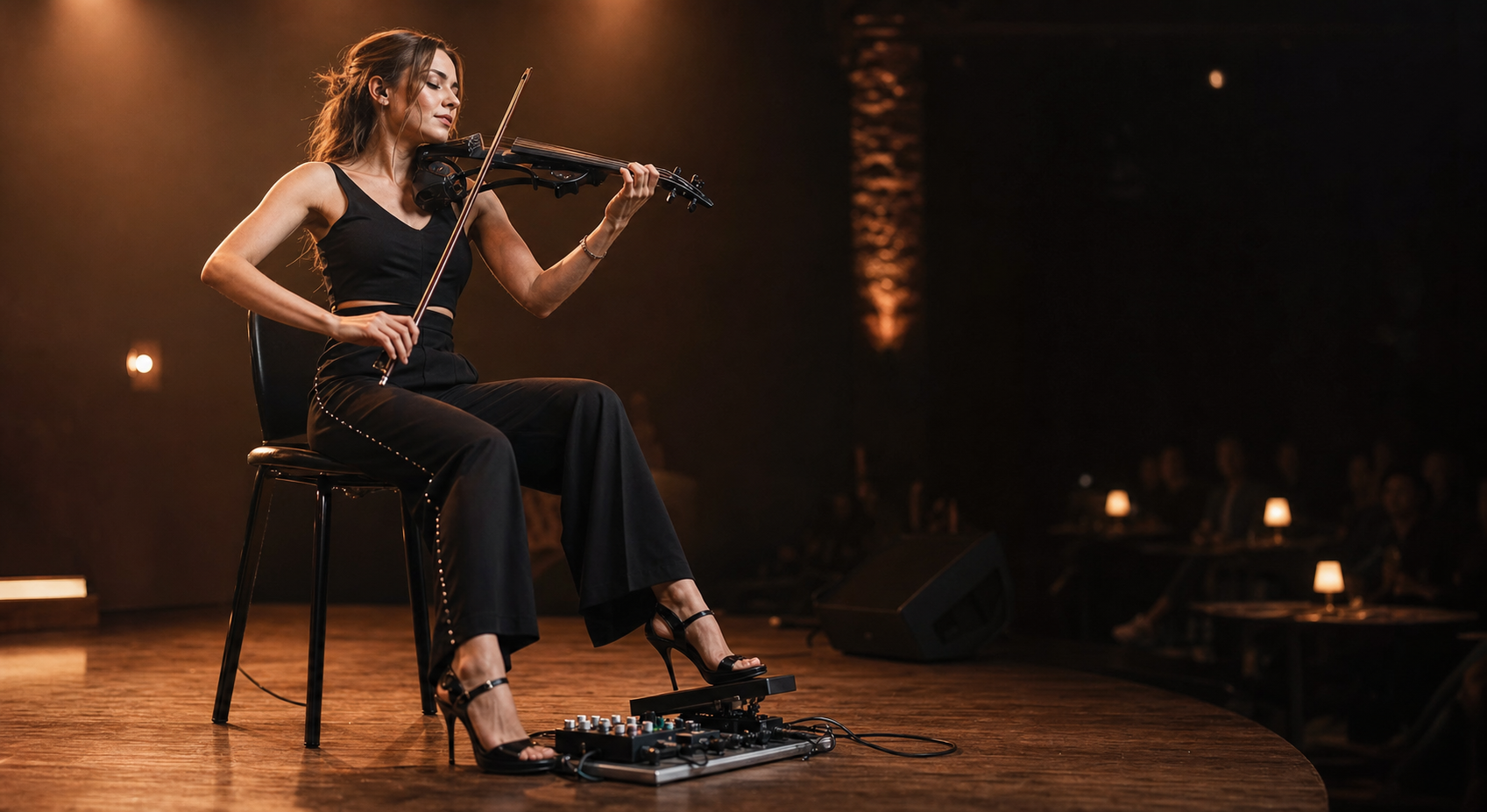
What is the best expression pedal for most electric violinists?
For most working performers, I would buy the BOSS EV-30 first. BOSS positions it as a compact dual expression pedal with isolated outputs and polarity compatibility, and that combination translates well to electric violin. Tanya Strings needs one pedal that can sit on a real board, feel smooth during a slow intro swell, and still make sense when the set grows into more complex parameter control. EV-30 wins because it stays compact without feeling toy-like. If your performance rig already depends on the repeatability I talk about in my amp sim pedal guide and multi-effects roundup, this is the most reliable first step into hands-free control.
My performer rule: if the sweep does not feel smooth enough for a slow exposed intro, it will not feel trustworthy during a high-pressure transition either.
Why does an expression pedal matter if you already own good effects?
Because a static preset is not the same thing as a living performance. Electric violin gets much more interesting when the effects move with the bow instead of staying frozen under one footswitch choice. I use expression control to ease delay mix into a wide entrance, pull ambience back before fast articulation, or push a filter or pitch block forward for a bigger chorus. Without a pedal, you either bend down mid-set, overbuild too many presets, or settle for less movement than the music really wants. The whole point is not gadget collecting. It is musical control that keeps both hands on the violin.
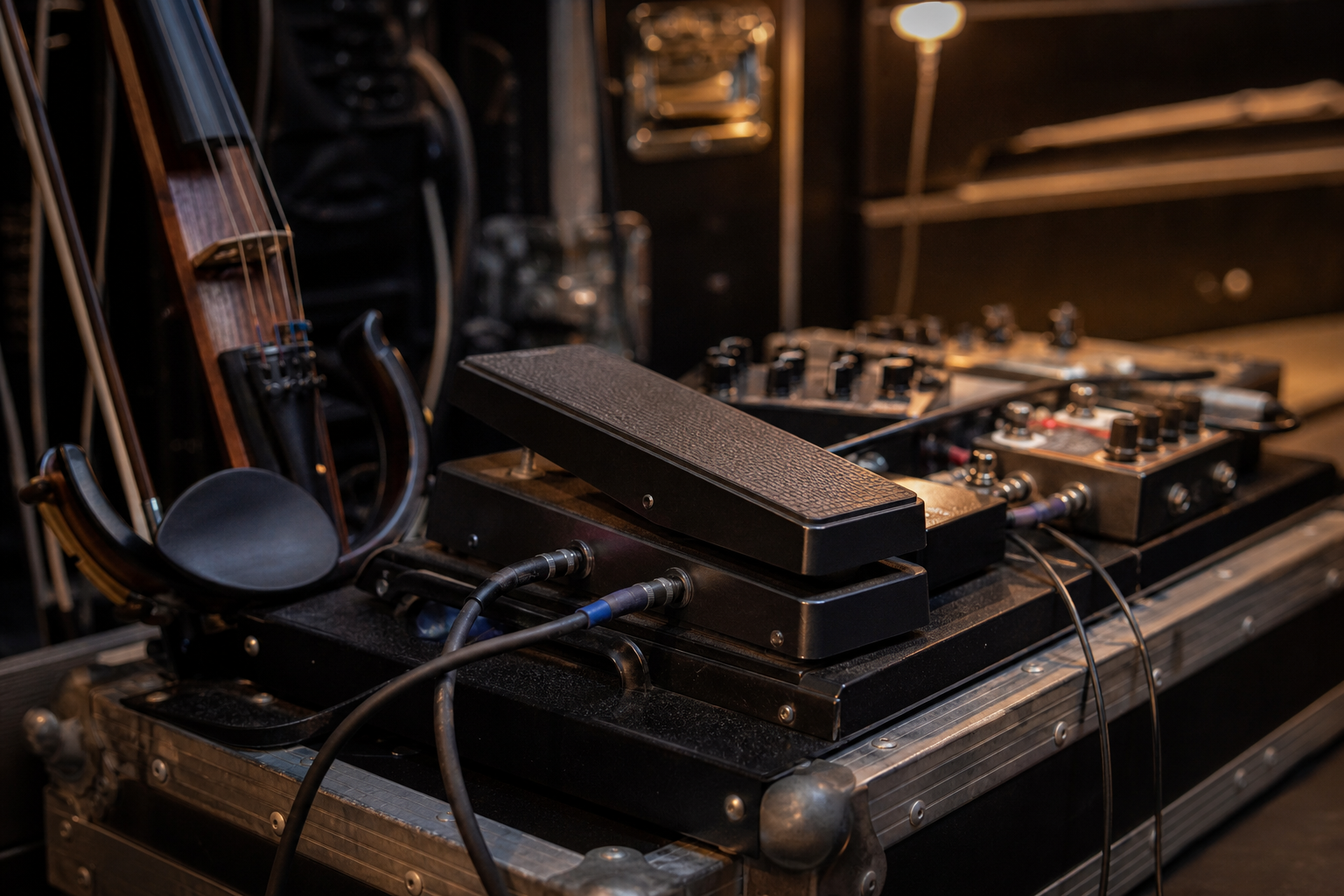
Which expression pedals are worth buying right now?
This shortlist stays focused on pedals that make sense in real electric violin rigs. I care about compatibility, treadle feel, footprint, and whether the control result actually improves live phrasing instead of only looking clever on paper.
| Product | Best for | Why Tanya would use it | Watch out for | Links |
|---|---|---|---|---|
| BOSS EV-30 | Most electric violinists who want the safest compact all-around expression pedal | I trust it when I want one pedal that fits a tight stage rig, feels smooth under the foot, and can grow with a more serious control setup later. | It costs more than the simplest single-output options, and some players may still prefer a longer full-size treadle feel. | Official · Amazon |
| Line 6 EX-1 | HX Stomp, HX One, and other Line 6 users who want the easiest matched add-on | I like it when I want a simple dedicated control lane for delay mix, wah-like movement, pitch glide, or morphing inside a Line 6 workflow. | It is most attractive when the rest of your rig already lives in the Line 6 world. | Official · Amazon |
| Mission Engineering EP1-L6 | Premium Line 6 rigs that want a longer, more substantial pedal feel | I would move here when expression becomes part of the performance identity and I want slower cinematic swells and more planted foot control. | It is a bigger and more expensive commitment, so buy it only if you really use expression all the time. | Amazon |
| Roland EV-5 | Players who want a compact classic with simple packability and familiar control feel | I would choose it when I want a no-drama pedal that stays small, light, and easy to fit into a disciplined travel setup. | It feels lighter-duty than the heavier metal choices, so it is more about practicality than luxury. | Official · Amazon |
| BOSS EV-1-WL | Advanced performers who need MIDI, app control, or wireless control options | I would use it when the rig includes MIDI-aware hardware, app-based processing, or a bigger performance-control concept than one analog pedal input. | It is a MIDI controller solution, not the simplest analog expression pedal answer. | Official · Amazon |
| Moog EP-3 | Value-minded players who still want a comfortable sweep and a known crossover pedal choice | I like it as the lower-spend answer when you still care about expressive foot movement and you are willing to verify compatibility carefully before buying. | Always check polarity and real rig compatibility before assuming any budget expression pedal will behave perfectly with your processor. | Amazon |
Why is BOSS EV-30 my best overall pick?
EV-30 is the most complete answer for a working electric violinist because it gets the boring parts right. It stays compact, feels deliberate under the foot, and gives you room to expand. BOSS describes the pedal around big expression in a small footprint, and that framing is exactly why it fits a performer-first rig. Tanya Strings does not want a huge extra slab on the floor if the board already holds a tuner, wireless, DI, or compact multi-effects unit. At the same time, I do not want a tiny pedal that feels vague during a slow musical sweep. EV-30 hits the balance better than the rest.
Who should buy BOSS EV-30 first?
Buy it first if you play live regularly, want one reliable all-around pedal, and are not interested in learning the same compatibility lesson twice.
- Pros: compact footprint, smooth stage feel, dual isolated outputs, and broad usefulness across growing rigs.
- Cons: more expensive than entry-level pedals and less long-throw than some larger premium options.
See BOSS EV-30 · Find EV-30 options on Amazon
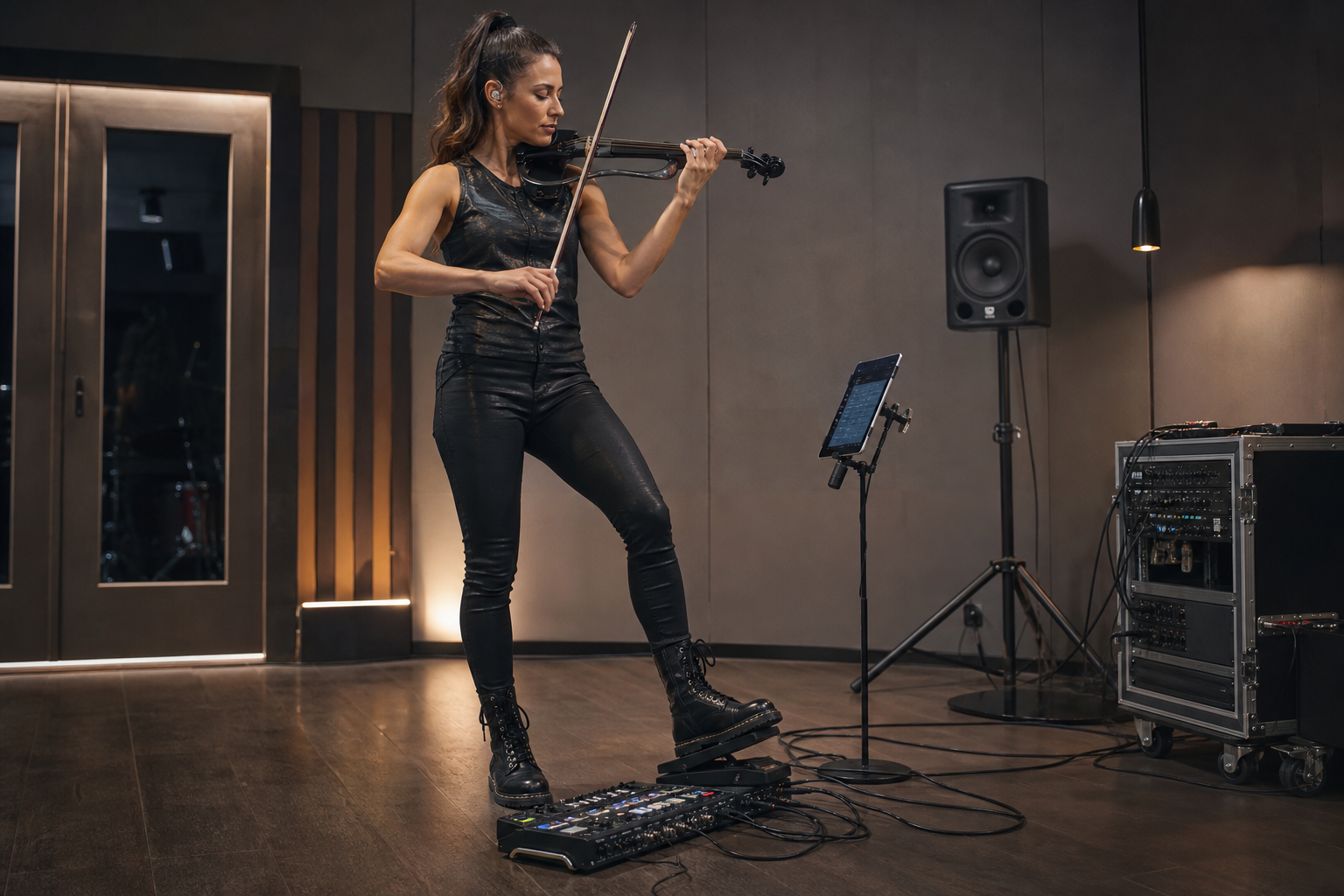
When should Line 6 players buy EX-1 or Mission Engineering EP1-L6?
If your board is already built around HX Stomp, HX One, or a similar Line 6 workflow, a matched expression lane starts making a lot of sense. Line 6 frames EX-1 as a foot controller for effects like volume, wah, delay time, reverb mix, and pitch effects, and that maps directly onto the kind of musical motion electric violinists actually use. I would keep EX-1 as the easy answer and Mission Engineering EP1-L6 as the more serious answer for players who want a bigger, slower, more planted treadle feel.
When is Line 6 EX-1 enough?
Choose EX-1 when you want clean brand-matched simplicity, compact size, and one clear control lane inside a Line 6 rig without turning the board into a hardware project.
- Pros: easy integration with Line 6 gear, useful control range for common effect moves, and straightforward buying logic.
- Cons: less compelling if your processor is not already built around the Line 6 ecosystem.
See Line 6 foot controllers · Find EX-1 options on Amazon
When is Mission Engineering EP1-L6 worth the extra money?
Choose EP1-L6 when expression is not an occasional effect trick but part of how you shape the set. This is the pedal I would buy for slow cinematic swells, big ambient builds, and players who want the foot control itself to feel more substantial and more deliberate every night.
- Pros: more premium feel, more planted long-throw control, and better fit for players who ride expression constantly.
- Cons: larger, pricier, and unnecessary if you only touch expression a few times per set.
Find Mission Engineering EP1-L6 options on Amazon

When is Roland EV-5 the smarter simple choice?
Roland EV-5 is the answer when you want simplicity, compactness, and familiar utility more than premium drama. Roland keeps it straightforward, and that is the attraction. Tanya Strings would buy EV-5 when the board needs one stable analog control lane and the rest of the rig already does the heavy lifting. It is especially sensible for players who travel light, want to keep setup calm, or only need expression for one or two tasks instead of using it as the center of the show.
Who is Roland EV-5 best for?
It is best for disciplined small-board performers who care more about easy packing and basic control usefulness than about the most luxurious treadle feel.
- Pros: compact, familiar, simple to pack, and practical for smaller live rigs.
- Cons: lighter feel and less premium construction than some heavier metal alternatives.
See Roland EV-5 · Find EV-5 options on Amazon
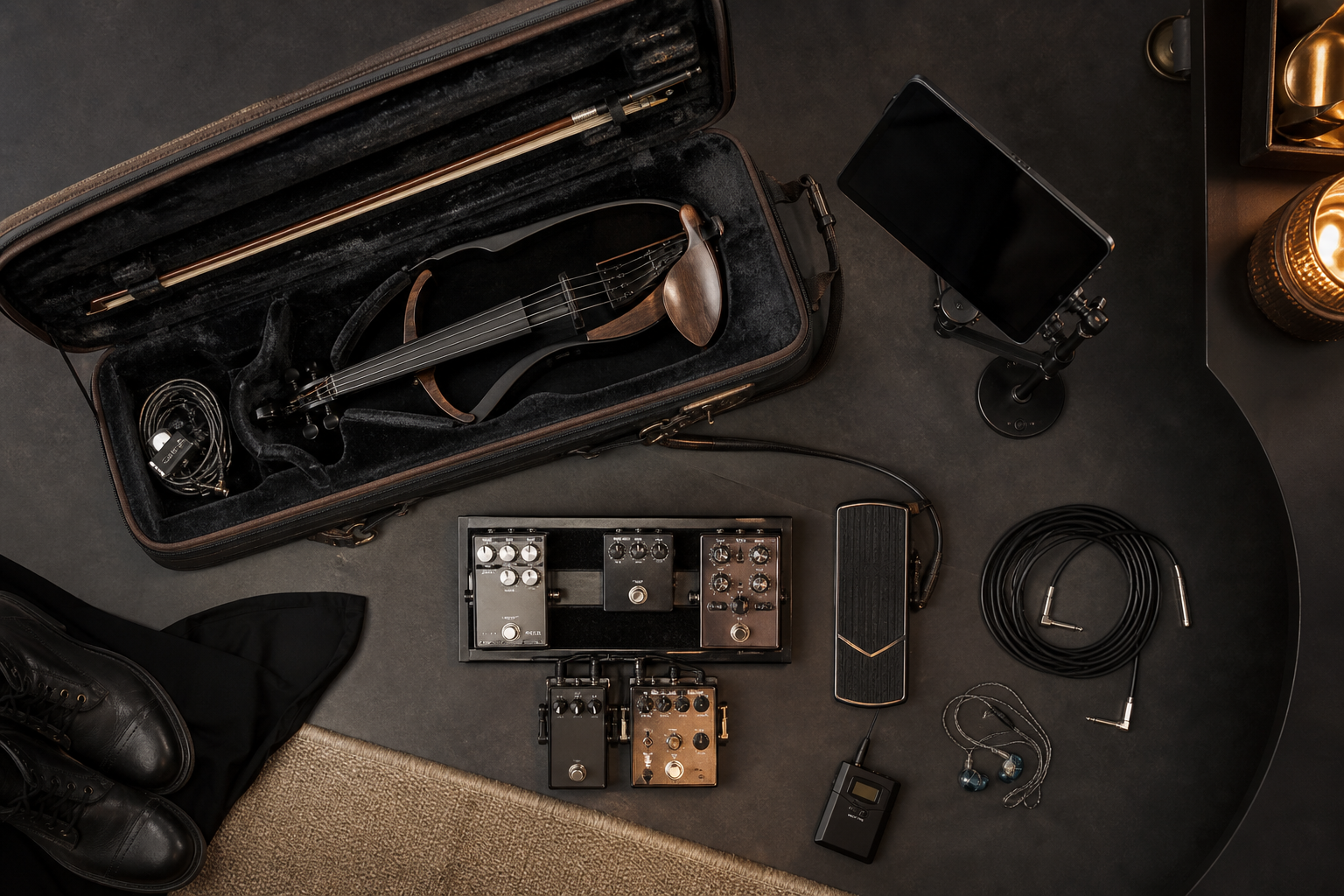
Who should buy BOSS EV-1-WL or Moog EP-3 instead?
These are the smarter answers when the best-overall answer is not the best personal answer. BOSS EV-1-WL makes sense when your control story already extends beyond one analog input. Moog EP-3 makes sense when you want a lower-spend entry point and you are ready to verify compatibility carefully instead of assuming every budget option behaves the same.
Why is BOSS EV-1-WL the advanced choice?
BOSS presents EV-1-WL as a wireless MIDI expression pedal, and that matters for performers who use tablets, MIDI-capable processors, or more elaborate control scenes. I would go here only when the rig genuinely wants MIDI or app control, not when a basic analog treadle would already solve the problem.
- Pros: MIDI-minded flexibility, modern control options, and strong fit for more advanced performance systems.
- Cons: more complexity than most players need and not a one-to-one substitute for every analog expression input.
See BOSS EV-1-WL · Find EV-1-WL options on Amazon
When is Moog EP-3 the better budget move?
Choose Moog EP-3 when you want a recognizable lower-cost pedal and you are disciplined enough to confirm polarity and response with your exact processor before buying. It is a value move, not a blind one-click answer.
- Pros: lower-spend path into expressive control and a more approachable buy for lighter use.
- Cons: compatibility checking matters more, and the lower price does not excuse a poor fit with your rig.
Find Moog EP-3 options on Amazon
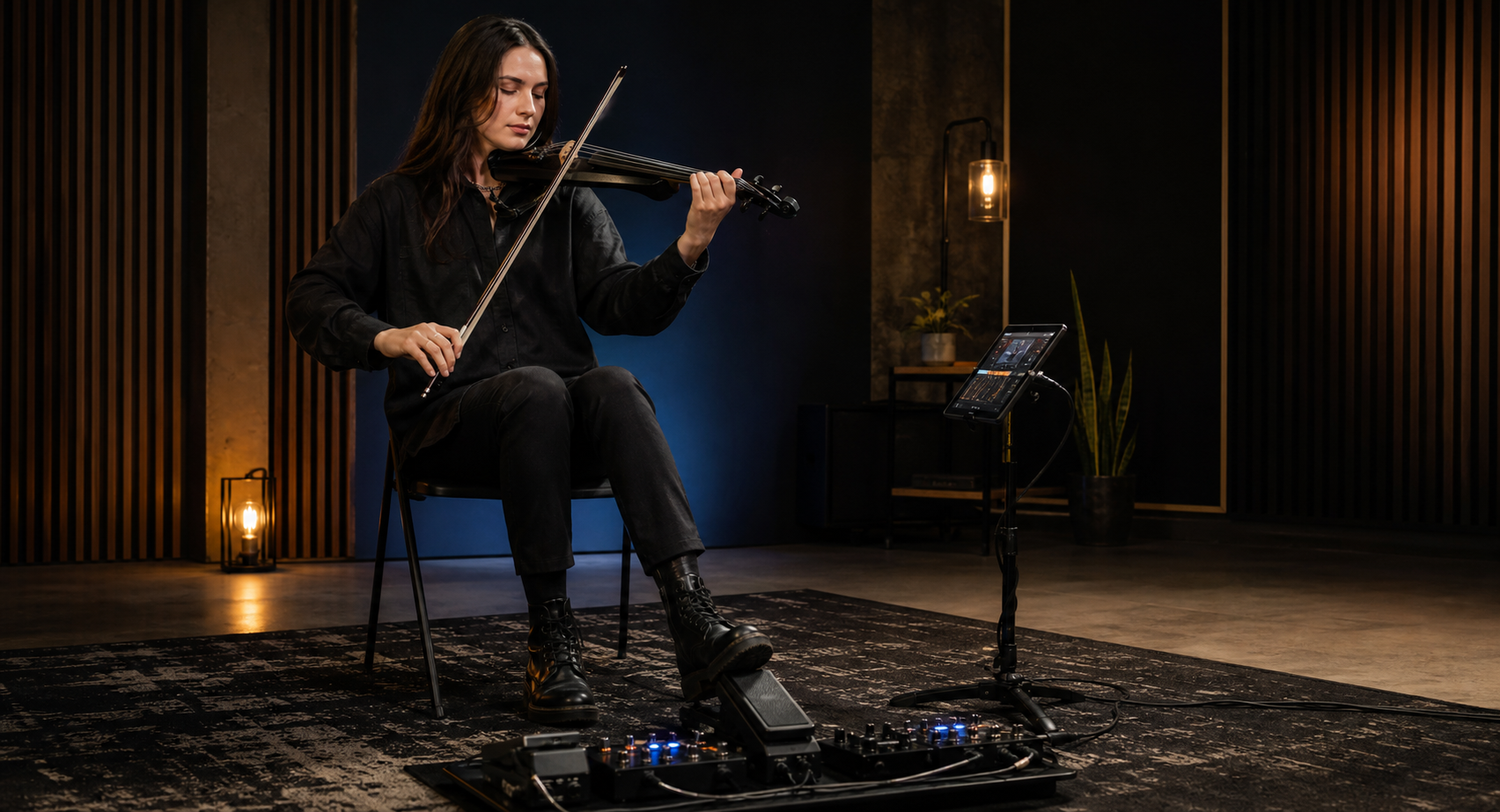
What should you check before buying an expression pedal for violin effects?
Compatibility comes first, then feel, then footprint. Electric violinists do not need one more box that almost works. We need a control tool that behaves correctly the first time the soundcheck gets rushed. Tanya Strings buys the pedal that makes the live set more expressive without making the rig more fragile.
My buying checklist:
- Check whether your rig expects analog TRS expression, a specific polarity, or full MIDI control before you spend anything.
- Decide which parameter actually deserves live foot movement: delay mix, ambience level, filter motion, pitch glide, or morphing between sounds.
- Think about treadle feel for slow exposed swells, not only quick rock-style moves.
- Measure the board space beside your tuner pedal, wireless system, or main processor before you buy.
- Save heel and toe values that already sound musical, so the pedal expands the set instead of becoming another rehearsal problem.
My buying order: first make the core direct tone stable, then add one expression pedal for the parameter you reach for most, and only later build a larger MIDI or multi-control system.
FAQ
What is the best expression pedal for most electric violinists?
BOSS EV-30 is my best overall answer because it combines compact size, smooth feel, broad compatibility, and enough long-term usefulness to stay valuable as the rig grows.
Does an expression pedal really improve electric violin live performance?
Yes, if the rest of the rig already works. It turns static effects into musical motion and lets you shape the set without taking your hands off the instrument.
Should I buy an analog expression pedal or a MIDI one?
Most players should start with analog expression because that is what many compact pedal processors expect. MIDI makes more sense only when the wider control workflow already demands it.
What is the first parameter Tanya Strings would control with expression?
Usually delay mix or a volume-style swell block, because those changes immediately make an electric violin line feel larger and more alive.