Dynamics · 2026-07-18
Best Compressor Pedals for Electric Violinists Who Want More Consistent Live Dynamics
The best compressor pedal for most electric violinists is the Empress Compressor MKII because it gives Tanya Strings the exact things a working stage rig needs: visible gain-reduction metering, a mix knob for parallel compression, useful ratio choices, independent attack and release, and a selectable sidechain high-pass filter that helps the violin stay lively instead of flattened. If you want a simpler natural-feeling option, BOSS CP-1X is the easy stage buy. Origin Effects Cali76 FET Compressor is the premium studio-style choice, Keeley Compressor Plus is the value winner, Wampler Ego stays very flexible, and MXR Studio Compressor is the tweakable workhorse. Buy compression to control peaks and lengthen lines, not to hide weak tone fundamentals.
Follow Tanya Strings on Google
Add the site as a preferred source to see more new violin posts from Tanya Strings in Google.
Affiliate disclosure: Some links in this article are affiliate links. I may earn a commission if you make a purchase, at no extra cost to you.
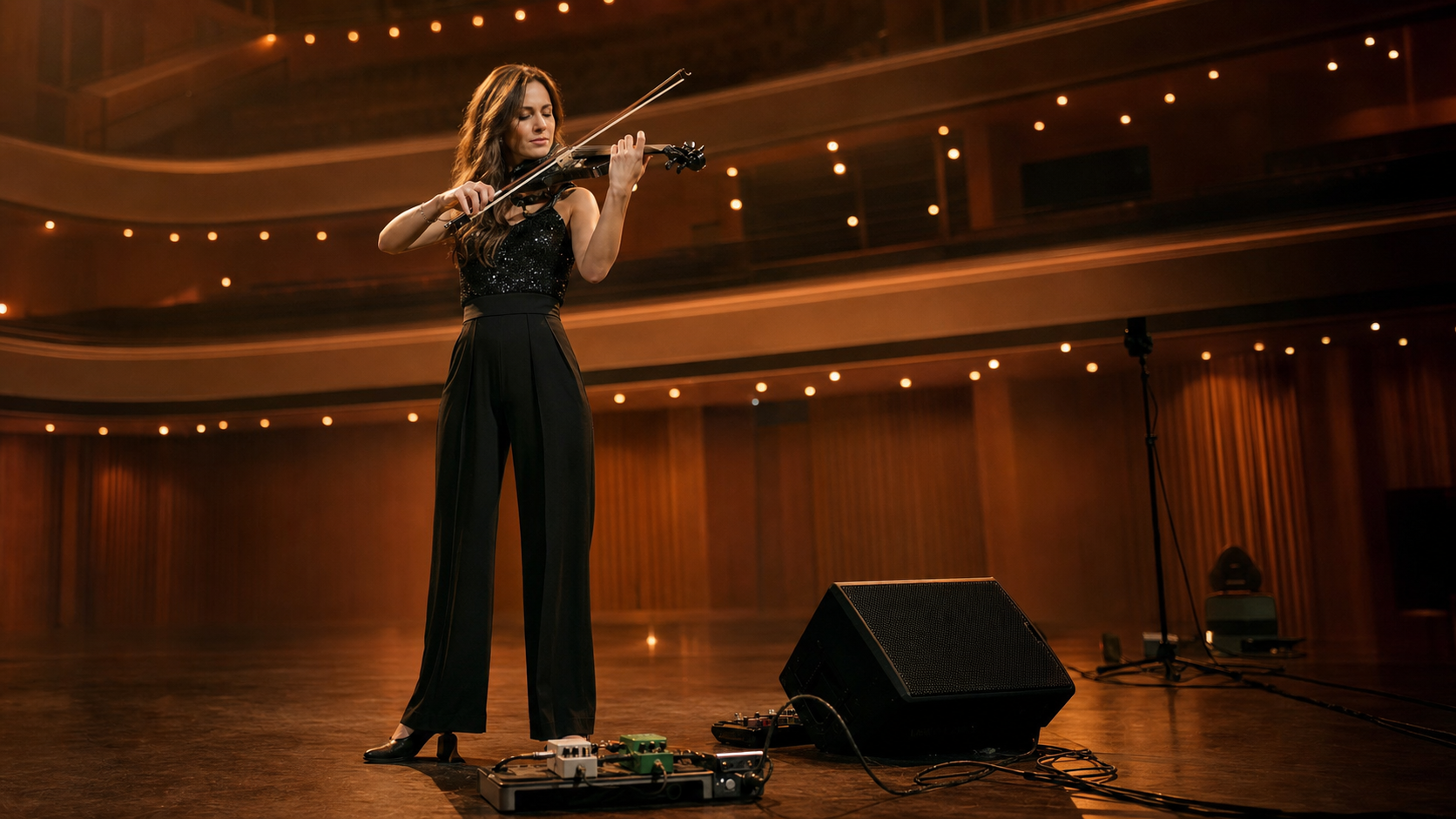
What is the best compressor pedal for most electric violinists?
For most performers, I would buy the Empress Compressor MKII first. Empress built it around a transparent all-analog FET path, input and gain-reduction metering, ratio options, parallel compression, tone shaping, and a selectable sidechain high-pass filter. That combination matters on electric violin because the instrument can jump from delicate bow starts to sharp transient spikes very fast. I want compression that smooths the peaks and helps long notes bloom, but I do not want the front of every phrase dulled into the floor. Compressor MKII gives Tanya Strings enough control to keep the violin polished for stage, direct rigs, and creator workflows without forcing a giant rack mentality onto the pedalboard.
My performer rule: if a compressor makes the first bow contact feel slower, smaller, or less expressive, I back off immediately.
Why does compression matter if your electric violin tone already works?
Because good tone and stable dynamics are not the same job. Electric violin can sound strong at soundcheck and still feel uneven once the room fills, the backing tracks come in, or the bow attack gets more aggressive under stage adrenaline. Compression helps the instrument sit more consistently above a band, makes long lines feel more finished in direct systems, and keeps creator recordings calmer when you are capturing ideas quickly through an audio interface. It also becomes more useful when your rig already includes the right pickup, a dependable DI or acoustic preamp, and clear monitoring. Compression is not a rescue for bad fundamentals. It is a finishing control for a rig that already makes sense.
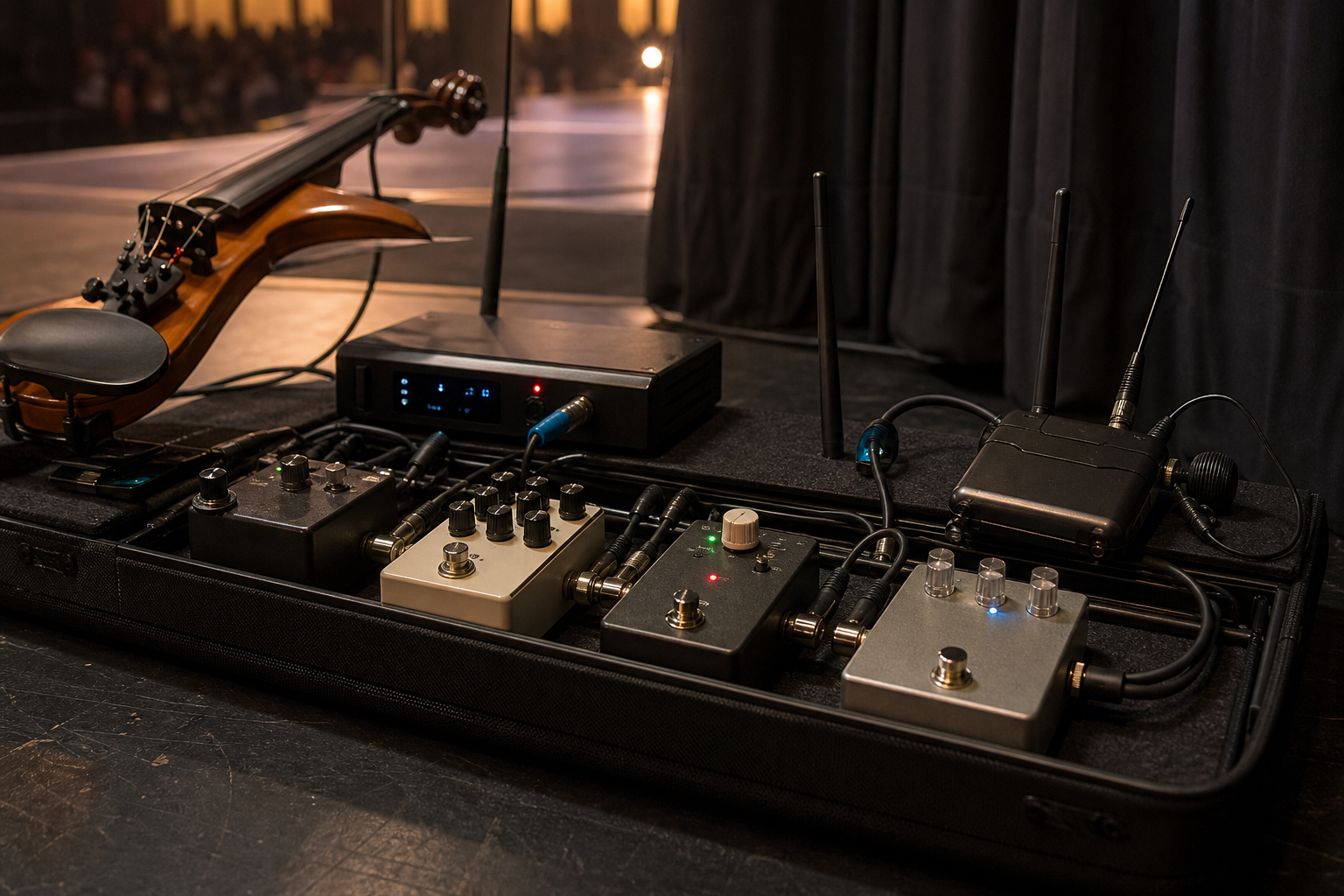
Which compressor pedals are worth buying right now?
This shortlist stays focused on current pedals that make sense for real performance work. I care about natural feel, visible control, headroom, parallel blending, and whether the pedal helps a world-class electric violin set feel more repeatable tonight, not just more technical on paper.
| Product | Best for | Why Tanya would use it | Watch out for | Links |
|---|---|---|---|---|
| Empress Compressor MKII | Most electric violinists who want the best overall stage and content compressor | I trust it because the metering, mix control, sidechain high-pass filter, ratio choices, and separate attack and release controls let me polish the violin without flattening the bow. | It rewards a player who will actually use the deeper controls instead of treating compression like one mystery knob. | Official · Amazon |
| BOSS CP-1X | Players who want natural-feeling compression with fast setup and very low stage drama | I would use it when I want polished control, strong headroom, and a smart compressor that behaves musically without a lot of menu thinking. | It is less transparent about exact settings than the more studio-style pedals with detailed metering and ratio choices. | Official · Amazon |
| Origin Effects Cali76 FET Compressor | Premium rigs that want 1176-style studio compression in a compact live box | I would choose it when I want bigger headroom, serious attack and release control, parallel compression, and a finished studio-style response for premium stage or recording chains. | It is a premium purchase, so it makes the most sense after the front end of the rig is already strong. | Official · Amazon |
| Keeley Compressor Plus | Value-minded performers who want an easy always-on compressor with blend and tone control | I like it when I want a compact pedal that adds sustain, keeps the violin singing, and stays easy to dial in during a busy week of gigs and content shooting. | The simplified switch approach is great for speed, but it gives you less surgical control than Empress or Origin. | Official · Amazon |
| Wampler Ego Compressor | Players who want wide tonal flexibility, blend control, and an easy move between subtle polish and obvious effect | I would buy it when I want more say over attack, tone, and blend while keeping a familiar pedal feel that can live on the board for years. | It is versatile enough to tempt over-tweaking if you have not decided whether you want transparency or obvious compression. | Official · Amazon |
| MXR Studio Compressor | Performers who want detailed controls and a clear gain-reduction meter in a compact workhorse pedal | I would use it when I want classic studio-style parameters, strong headroom, and visible control in a box that still fits a realistic violin pedalboard. | It asks for more setup attention than the fastest plug-and-play choices. | Official · Amazon |
Why is Empress Compressor MKII my best overall pick?
Empress Compressor MKII is the smartest middle ground because it sounds serious, shows you what it is doing, and gives you enough control to adapt the pedal to violin instead of adapting your playing to the pedal. Empress gives it separate input and gain-reduction metering, 2:1, 4:1, and 10:1 ratios, a mix knob for parallel compression, a tilt EQ, independent attack and release, and a sidechain high-pass filter with 120 Hz, 240 Hz, and off positions. That is exactly the feature set I want when a bright electric violin needs peak control but must still keep articulation and air.
Who should buy Empress Compressor MKII first?
Buy it first if your set moves between live stage work, direct PA feeds, and content capture, and you want one compressor that can stay useful as the rig grows.
- Pros: visible metering, parallel blend, ratio options, sidechain high-pass filter, tone control, and genuinely flexible studio-style control.
- Cons: deeper than a simple one-sound pedal and easier to misuse if you do not understand what attack and release are doing.
See Empress Compressor MKII · Find Compressor MKII options on Amazon
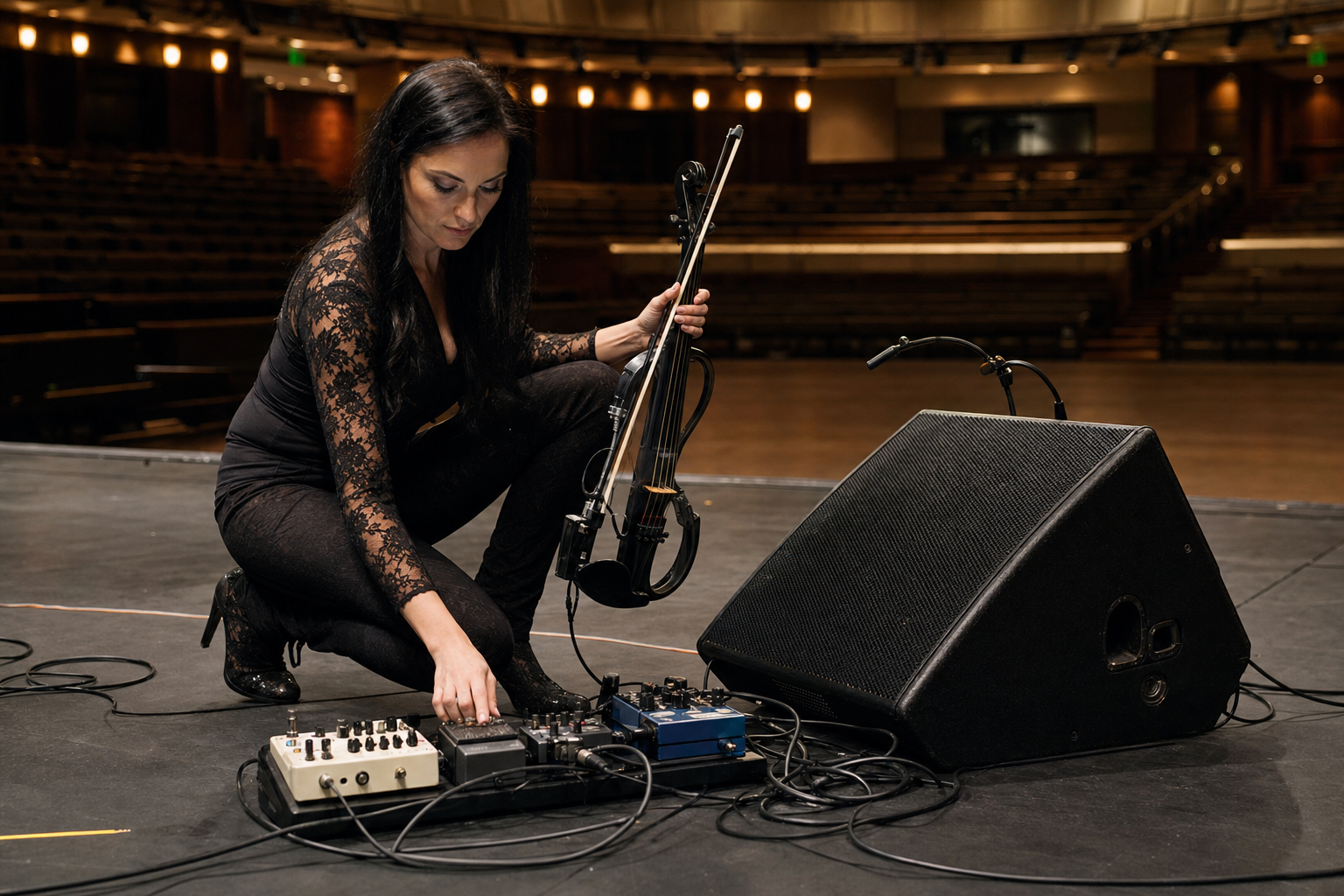
When is BOSS CP-1X the smarter simple stage choice?
BOSS CP-1X is the buy for performers who want the pedal to feel helpful immediately. BOSS built it around MDP multiband processing, a gain-reduction indicator, low-noise digital circuitry, and 18-volt input electronics for strong headroom. In real performance terms, that means the pedal can smooth the signal naturally without the violin turning cloudy or over-squeezed. Tanya Strings would buy CP-1X when the goal is cleaner dynamic behavior and calmer stage consistency without falling into endless tweaking between songs.
- Pros: natural feel, strong headroom, low noise, clear gain-reduction display, and a very practical live workflow.
- Cons: less explicit control depth than the more studio-style compressors when you want to shape the compression character precisely.
See BOSS CP-1X · Find CP-1X options on Amazon
Why would you pay more for Origin Effects Cali76 FET Compressor?
You pay more for it when you already know that compression is not just utility in your rig. Origin Effects describes the Cali76 FET Compressor as a studio-grade pedal inspired by the classic 1176, with all-analog circuitry, a full studio-style control set, a DRY control for parallel compression, an improved sidechain, and higher internal headroom. Their newer Cali76 platform also boosts a 9V supply internally for more clean headroom and adds detailed LED gain-reduction metering. That matters when the violin has to feel refined through premium direct chains, larger inears-and-PA systems, or cleaner creator sessions where you want every note to sit like it was already mixed.
- Pros: premium feel, studio-style response, excellent headroom, parallel compression, and very polished control over attack and release behavior.
- Cons: premium price, and it makes the most sense once the rest of the signal chain deserves that level of compression.
See Origin Effects Cali76 FET Compressor · Find Cali76 FET options on Amazon
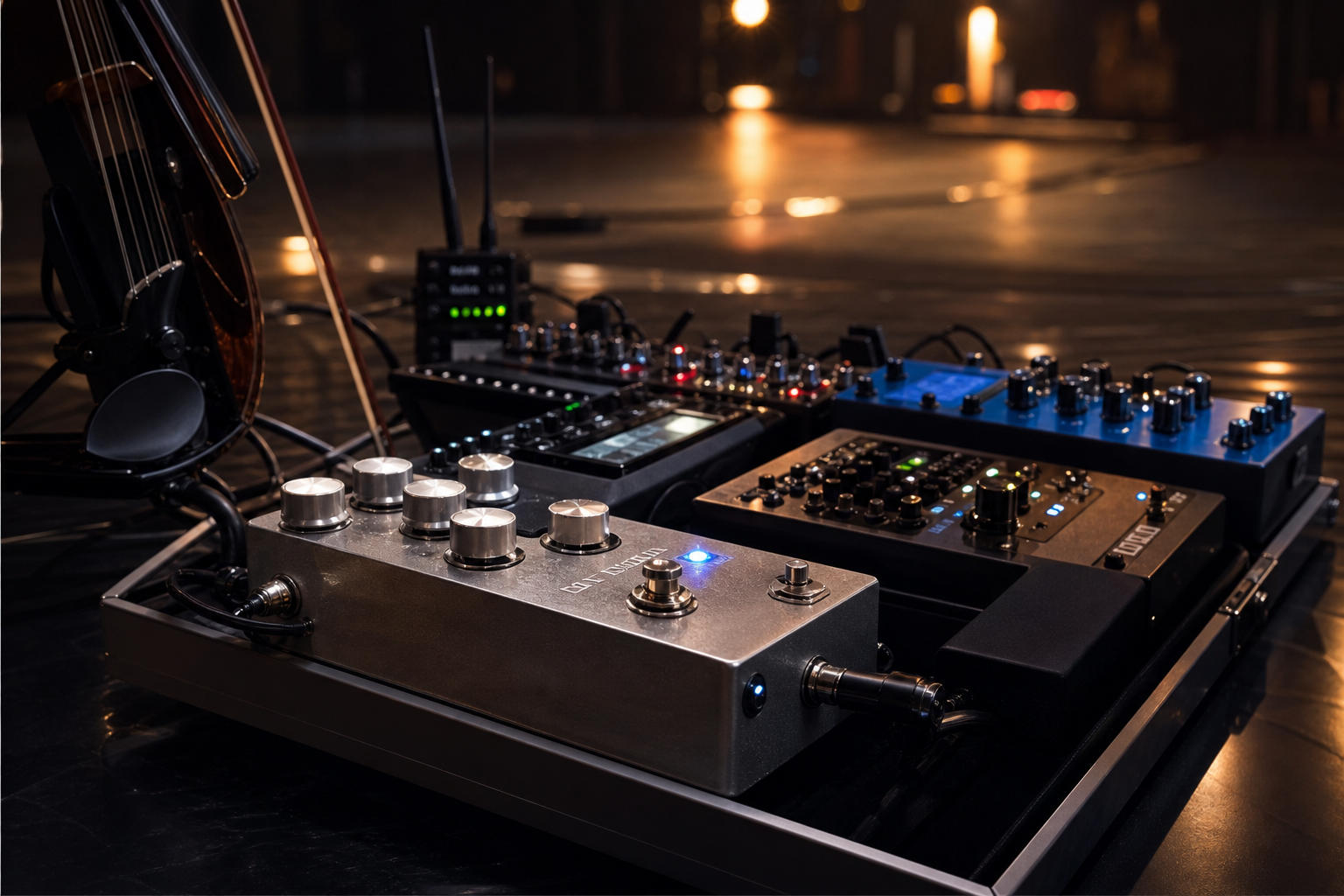
When do Keeley Compressor Plus and Wampler Ego make more sense?
They make more sense when you want musical compression quickly, but still want enough personality control to keep the violin expressive.
Why would Tanya Strings pick Keeley Compressor Plus?
Keeley Compressor Plus is a strong value play because it keeps the workflow quick while still giving you the right controls. Keeley gives it a release switch voiced for different pickup outputs, a tone control, a blend control, true bypass, and an analog signal path. I would choose it when I want a reliable always-on compressor that adds sustain and stability without turning every rehearsal into a programming session.
- Pros: easy to dial in, useful blend control, musical sustain, helpful tone shaping, and strong value for a serious always-on pedal.
- Cons: less metering and fewer advanced options than the pedals above it.
See Keeley Compressor Plus · Find Compressor Plus options on Amazon
Why would Tanya Strings pick Wampler Ego Compressor?
Wampler Ego Compressor makes sense when I want more say over the final feel of the effect without losing a compact pedal workflow. Wampler built it around volume, sustain, attack, tone, and blend controls, so it can move from subtle fattening to obvious compressed effect territory. That flexibility is useful when one electric violin set needs nearly invisible control and another wants more pop polish or a stronger cinematic swell profile for content pieces.
- Pros: broad control range, great blend behavior, useful tone shaping, and easy movement between subtle and obvious compression.
- Cons: flexible enough to invite too much tweaking if you have not decided what role the pedal should play.
See Wampler Ego Compressor · Find Ego Compressor options on Amazon
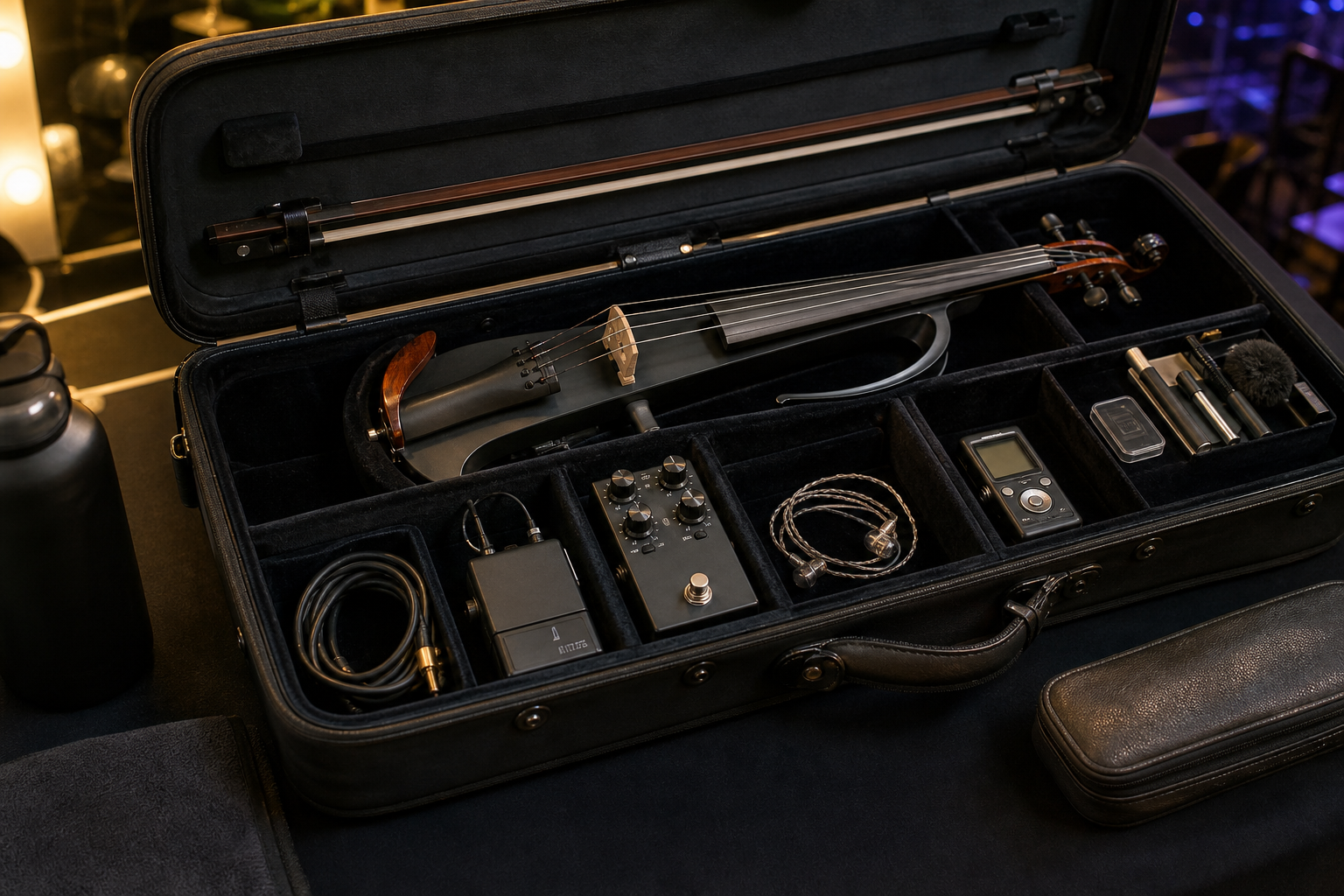
Why is MXR Studio Compressor still a strong workhorse?
Because it still gives real control in a practical box. MXR says the Studio Compressor brings Attack, Release, Ratio, Input, and Output controls, a bright LED gain-reduction meter, Constant Headroom Technology, and true bypass into a compact enclosure. That is a credible stage package for violinists who want classic parameter control without jumping into boutique pricing too aggressively. Tanya Strings would buy it for a board where compression is important enough to tweak properly, but space still matters and the pedal must survive repeated load-ins.
- Pros: detailed controls, visible meter, compact size, good headroom, and a clear studio-style mindset.
- Cons: not as instant as the simplest pedals and not as refined or full-featured as the best premium picks.
See MXR Studio Compressor · Find MXR Studio Compressor options on Amazon
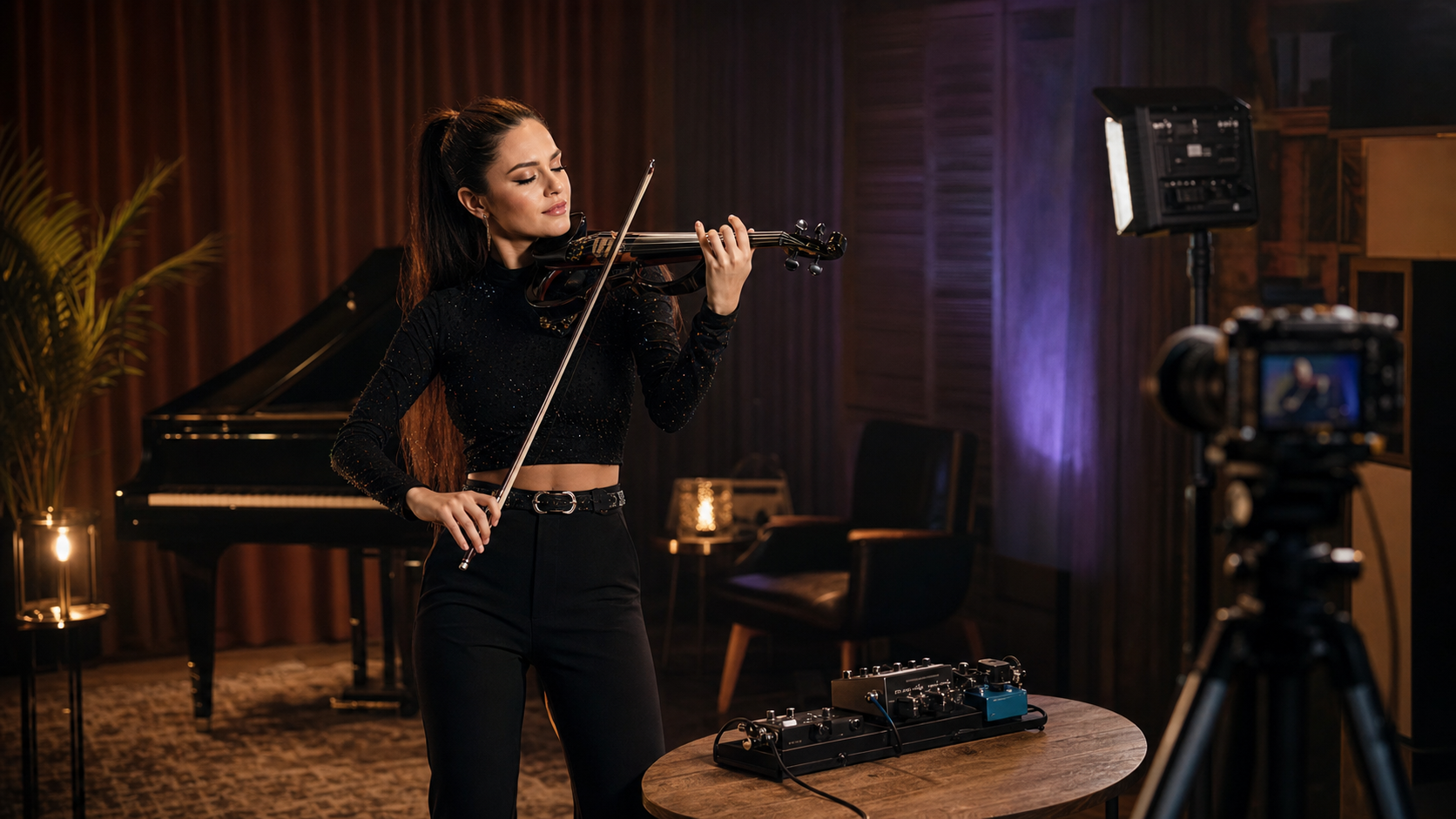
How should you buy a compressor pedal for electric violin?
Buy the compressor that matches the job you actually need solved. Electric violinists do not need compression for its own sake. Tanya Strings wants the pedal to smooth the hardest peaks, keep lyrical notes alive, and make the instrument easier to place in a live mix or quick content capture without erasing the hand and bow personality that make the performance feel human.
My buying checklist:
- Decide whether you need subtle peak control, longer sustain, a stronger effect sound, or better direct-recording consistency.
- Check where the real problem starts first: pickup output, preamp gain, amp sim, monitor balance, and EQ still matter more than compression alone.
- Choose visible metering and a blend control if you are new to compression and want to stay musical faster.
- Think about headroom and sidechain control if your bow attack is strong or the pedal will live in a direct stage rig.
- Measure pedalboard space and power discipline before buying, especially if the compressor is joining a board that already carries control pedals, ambience, and wireless gear.
My buying order: first stabilize the violin front end, then buy the compressor that solves your most common dynamic problem, and only after that chase more boutique compression flavor.
FAQ
What is the best compressor pedal for most electric violinists?
Empress Compressor MKII is my best overall answer because it balances control depth, visible metering, parallel compression, and violin-friendly flexibility better than the rest.
Should I buy a transparent compressor or a more obvious compressed effect?
Buy transparent compression first if the goal is a cleaner live mix, more even peaks, and longer singing lines. Buy the stronger effect only when you want the compression sound itself to become part of the performance identity.
Where should a compressor pedal sit in an electric violin signal chain?
Usually early in the chain, after the instrument or wireless receiver and before big ambience effects. But move it if you want different behavior before or after drive, EQ, or preamp stages.
Can a compressor replace EQ or a DI box?
No. A compressor controls dynamics. It does not replace tone-shaping, impedance matching, DI duties, or the right preamp structure for a difficult violin signal.