Headset Microphones · 2026-09-03
Best Headset Microphones for Electric Violinists Who Sing, Speak, and Move on Stage
For most electric violinists who need to sing, speak, or host without giving up bow freedom, the best headset microphone is the Shure DH5 because it balances neutral vocal sound, secure fit, sweat resistance, and easy stage use. If you play louder shows and want a premium directional option, buy the DPA 4488. If you want a more natural ultra-light premium Shure sound, choose the TH53. Countryman H6 is the discreet beauty pick, Point Source CO2-8WD is the redundancy-first answer, and Audio-Technica PRO8HEx is the simplest budget starting point.
Follow Tanya Strings on Google
Add the site as a preferred source to see more new violin posts from Tanya Strings in Google.
Some links in this article are affiliate links. I may earn a commission if you make a purchase, at no extra cost to you.
What is the best headset microphone for most electric violinists?
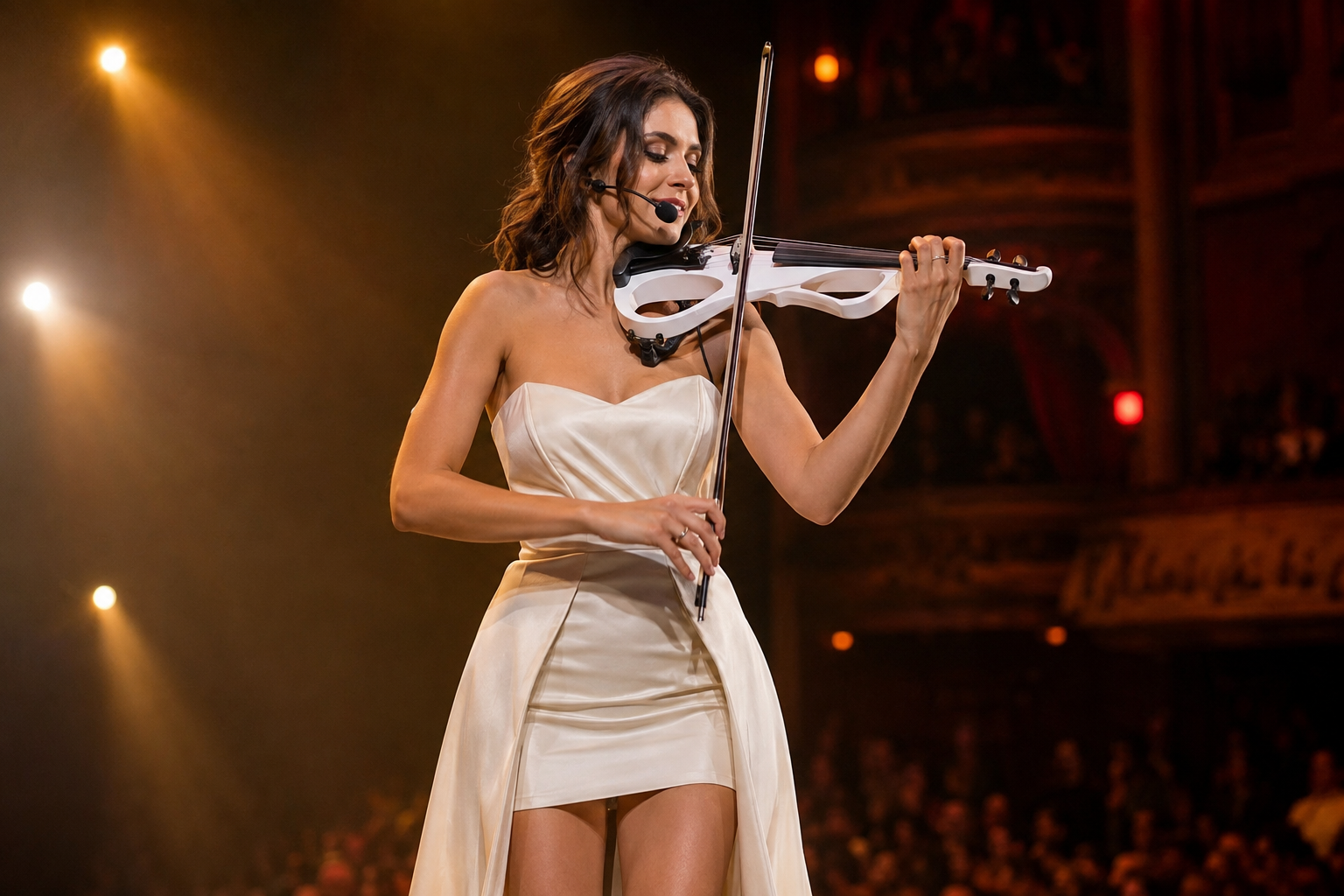
The safest overall answer is the Shure DH5. Shure gives it a 5 mm omnidirectional subminiature design, IP57 dust and water resistance, a neutral full vocal sound, a Presence Cap for extra clarity, and the tougher 1.6 mm Plex cable. That combination makes sense for electric violin because the headset mic often has to survive quick load-ins, warm stage lights, hair movement, costume changes, and a lot of head turns while the violin is still active. Tanya Strings wants the headset to disappear as a problem, not as a signal source.
My performer rule: if the headset mic makes me think about fit, plosives, or cable drama every two minutes, it is already taking energy away from the show.
Which headset microphones are worth buying right now?
I kept this list focused on real electric violin work: wedding and corporate hosting, crossover vocals, live audience talk moments, content intros, and stages where a mic stand feels slower or visually heavier than a headworn rig. If you still prefer a handheld path first, pair this guide with my article on vocal microphones for electric violinists.
| Product | Best for | Why Tanya would use it | Watch out for | Links |
|---|---|---|---|---|
| Shure DH5 | Most electric violinists who want one reliable all-around headset mic | I trust it because it sounds natural, handles sweat and movement well, and feels built for real working stages instead of fragile special occasions. | It is not the most invisible option, so buy it for stage confidence more than for stealth. | Official · Amazon |
| DPA 4488 | Louder stages that need premium directional control | I would choose it when gain before feedback and a refined premium voice matter more than saving money. | Directional headsets reward more careful placement and a stronger monitor plan. | Official · Amazon |
| Shure TH53 | Premium natural speech and singing with light, adjustable fit | I like it when I want a cleaner, more open vocal feel and a headset that adjusts fast between different performance situations. | It costs premium money and makes most sense when the rest of the audio chain is already serious. | Official · Amazon |
| Countryman H6 | Luxury events, camera work, and the most discreet visual footprint | I would use it when almost invisible appearance matters as much as the audio and the stage look has to stay elegant in close view. | Its tiny size is the point, so fit and placement discipline matter more than with chunkier headsets. | Official · Amazon |
| Point Source CO2-8WD | Performers who want built-in backup and touring peace of mind | I respect it because the dual matched elements and waterproof build make sense when a single mic failure would be costly or embarrassing. | It is a specialist choice, not the cheapest path into a headset workflow. | Official · Amazon |
| Audio-Technica PRO8HEx | Budget first rigs, rehearsals, and simple wired headworn use | I would start here when the goal is getting into hands-free vocal control without making the mic line more expensive than the rest of the show. | It is larger, more visible, and less elegant than the premium miniature options above it. | Official · Amazon |
When should you buy Shure DH5 before the others?
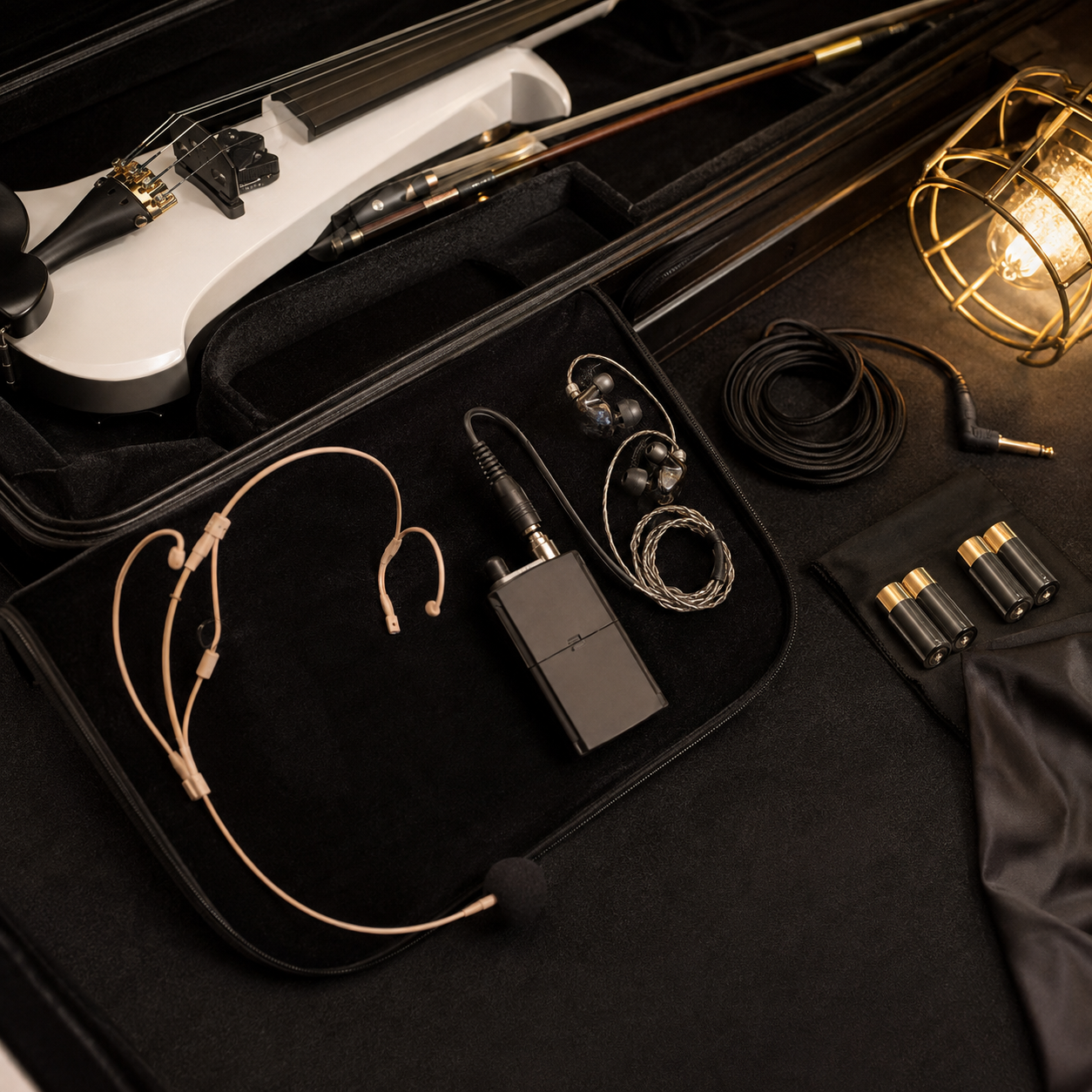
Buy the DH5 first when the show has to work in real life, not just in a polished demo. Tanya Strings sees it as the cleanest working-performer answer because it balances stage durability, sweat resistance, and calm vocal tone without forcing an ultra-fussy fit routine. I like it for event work where the violinist may speak during entrances, introduce key moments, sing short sections, then go straight back into performance. That job rewards reliability more than spec-sheet romance.
Why does DH5 fit real electric violin stage work so well?
Because it helps the performer move more naturally while keeping the front-of-house engineer in a familiar lane. If your calendar already leans on a wireless system, a monitoring path, and a show design where a mic stand gets in the way of the visual line, the DH5 is often the first headset that feels like a business tool instead of a compromise.
- Pros: secure stage feel, IP57 rating, neutral voice, stronger cable story, and sensible accessories in the kit.
- Cons: more visible than the tiniest luxury options and less specialized than a premium directional headset for very loud stages.
See the Shure DH5 · Find the Shure DH5 on Amazon
Is DPA 4488 or Shure TH53 the better premium buy?
The answer depends on what kind of premium problem you are solving. DPA positions the 4488 around a cardioid capsule with CORE technology and a secure flexible headset design. That makes it attractive when you need a tighter pattern for louder wedges or busier stages. Shure positions the TH53 around a very light adjustable frame, a dual-diaphragm capsule, improved off-axis consistency, and very low self-noise. That makes it the more natural premium choice when voice quality and elegance matter more than maximum stage rejection.
Which one would Tanya Strings wear on louder stages?
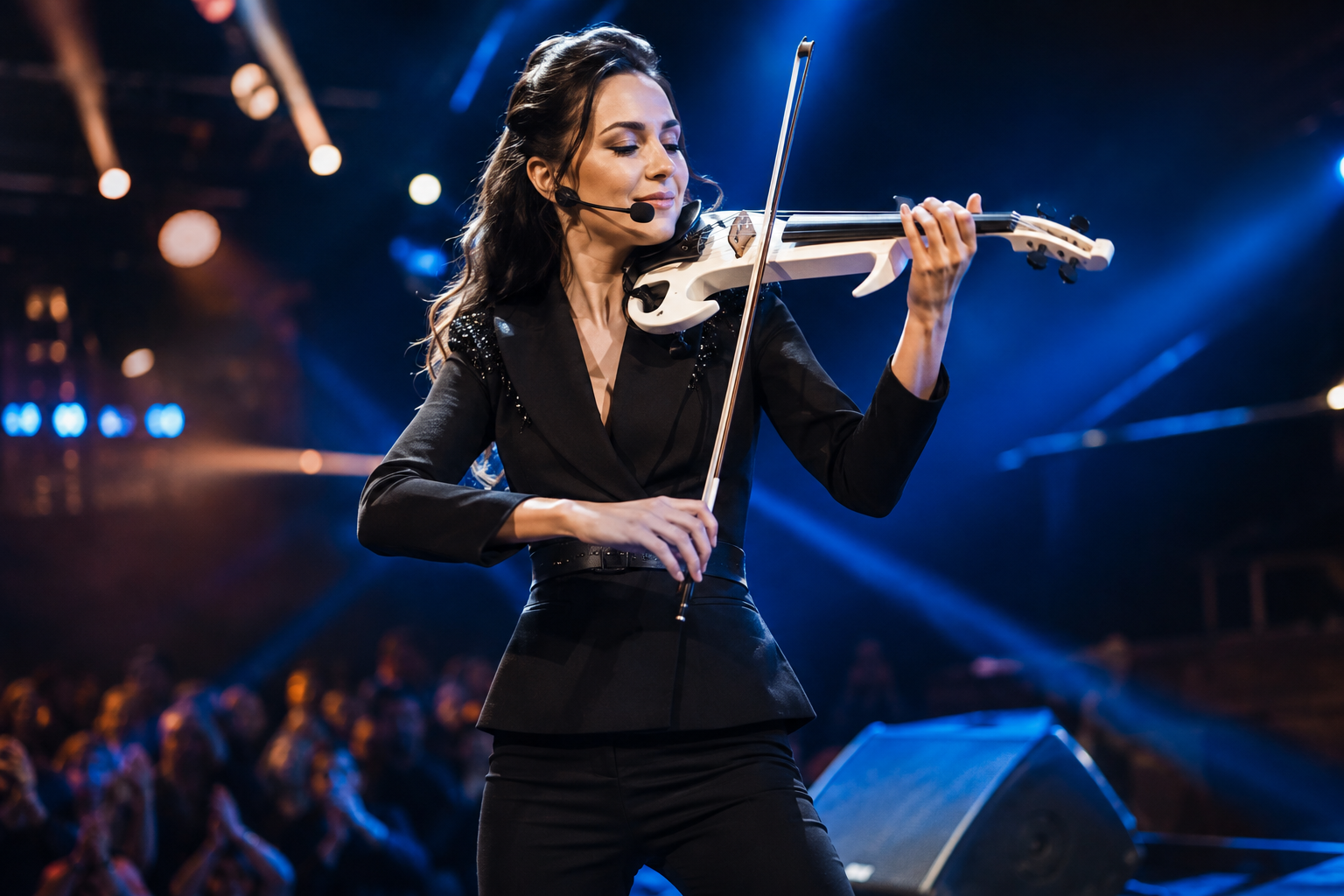
I would pick the DPA 4488 when the monitor fight is real and the headset mic has to stay calm beside an active electric violin rig. I would pick the TH53 for refined event stages, cleaner speaking moments, and creator-facing sets where the headset should feel light, premium, and visually restrained. Both make more sense once the rest of the lane is already strong, especially the wireless in-ear monitor and stage-mic hardware decisions around them.
- DPA 4488 pros: tighter directional control, premium build, secure headset behavior, and a better loud-stage argument.
- DPA 4488 cons: premium price and less forgiving placement than a strong omni headset.
- TH53 pros: natural sound, fast adjustment, low self-noise, and a very polished premium feel.
- TH53 cons: premium spend and less reason to buy it if the main problem is brute loud-stage rejection.
See the DPA 4488 · Find the DPA 4488 on Amazon
See the Shure TH53 · Find the Shure TH53 on Amazon
Who should buy Countryman H6 or Point Source CO2-8WD instead?
Buy the Countryman H6 when the stage look matters almost as much as the audio. Countryman describes it as the lowest profile headset mic in the world, with a 2.5 mm capsule, a moisture-resistant sealed connector, a tough 1.2 mm cable, and both omni and directional versions. Buy the Point Source CO2-8WD when the bigger priority is redundancy. Point Source builds it around dual matched waterproof elements, an IP57 rating, a 360-degree bendable boom, and interchangeable connectors for multiple wireless systems.
When does nearly invisible matter more than built-in redundancy?
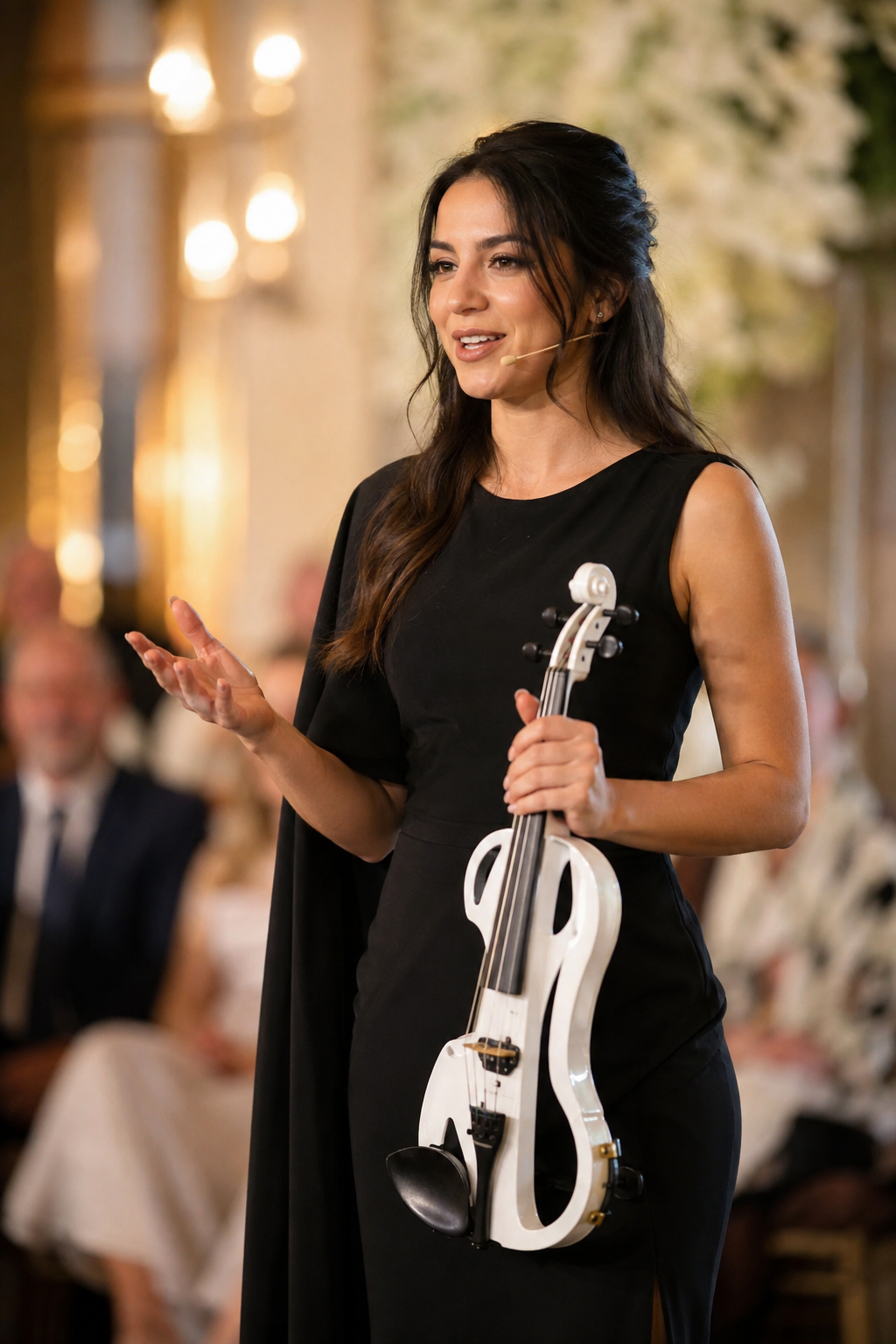
I would choose H6 for luxury weddings, premium corporate events, and camera-heavy work where the mic has to disappear in close shots. I would choose CO2-8WD for higher-stakes touring, difficult outdoor conditions, or any job where one broken element could damage the whole set. Tanya Strings is not buying either one for the same reason, even though both live in the premium lane.
- H6 pros: tiny capsule, very elegant look, adjustable frame, and strong fit for visual polish.
- H6 cons: tiny form factor asks for more setup care and costs more than basic headworn options.
- CO2-8WD pros: built-in backup, waterproof design, touring logic, and strong peace of mind for demanding jobs.
- CO2-8WD cons: more specialist pricing and less reason to buy it if redundancy is not part of your real risk picture.
See the Countryman H6 · Find the Countryman H6 on Amazon
See the Point Source CO2-8WD · Find the Point Source CO2-8WD on Amazon
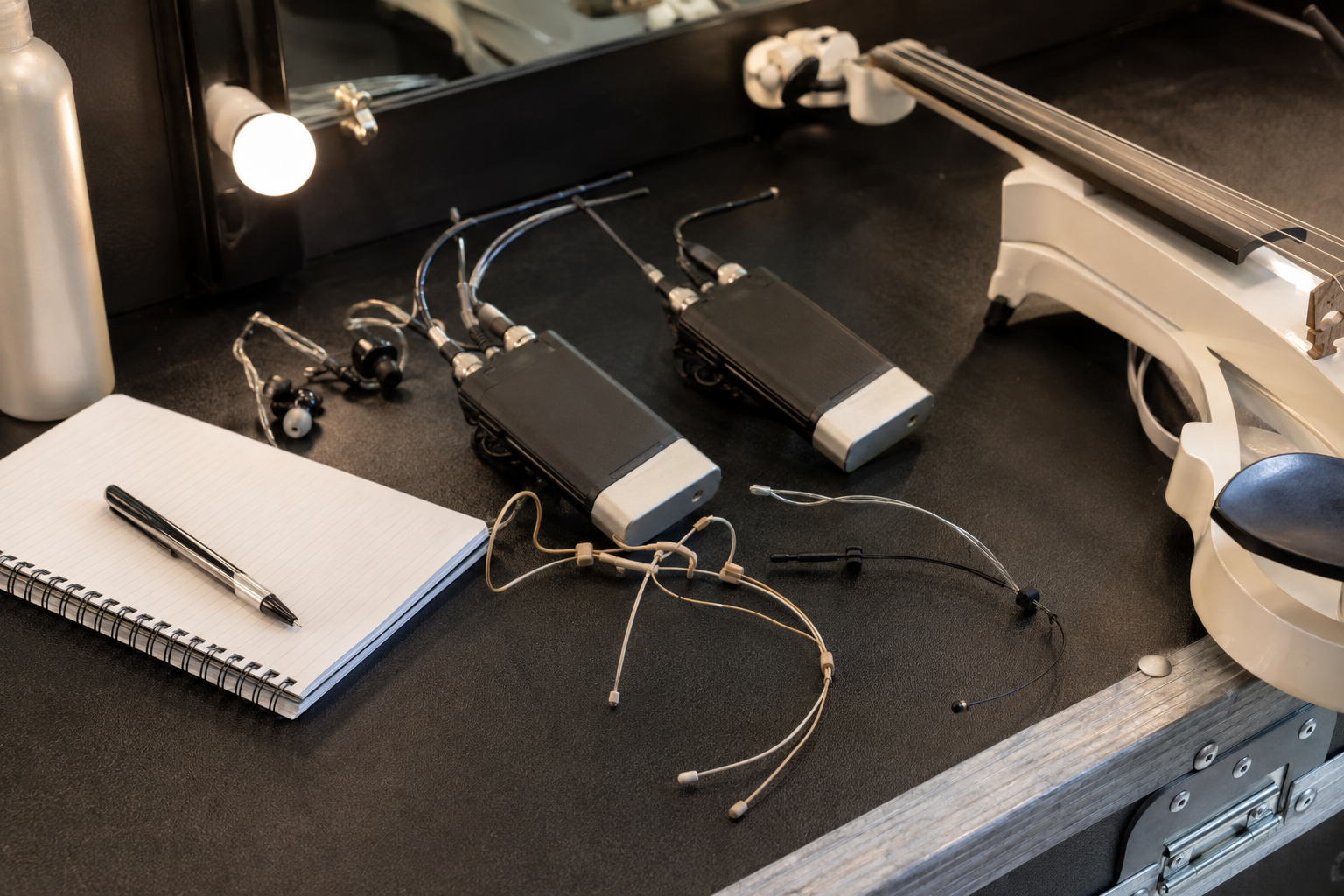
Is Audio-Technica PRO8HEx good enough for a first headset-mic rig?
Yes, for the right performer it absolutely is. Audio-Technica gives the PRO8HEx a hypercardioid dynamic design, a Hi-ENERGY neodymium element, a lightweight frame, a boom that flips from left to right, and either a 2.2 m XLR version or shorter bodypack variants. That makes it a practical starter when the main win is getting your hands free for violin playing and audience communication, not chasing the smallest capsule on the market.
What do you give up to save money?
You give up some elegance, some visual subtlety, and some of the premium miniature feel. Tanya Strings would still consider it when the live set is simple, the budget is disciplined, and the headset is mainly there to make spoken intros or short vocal lines easier while the electric violin remains the main story.
- Pros: honest price, practical headworn format, hypercardioid isolation, and simple entry into hands-free stage use.
- Cons: larger look, less premium fit, and less reason to choose it once camera appearance or miniature comfort becomes a serious priority.
See the Audio-Technica PRO8HEx · Find the PRO8HEx on Amazon
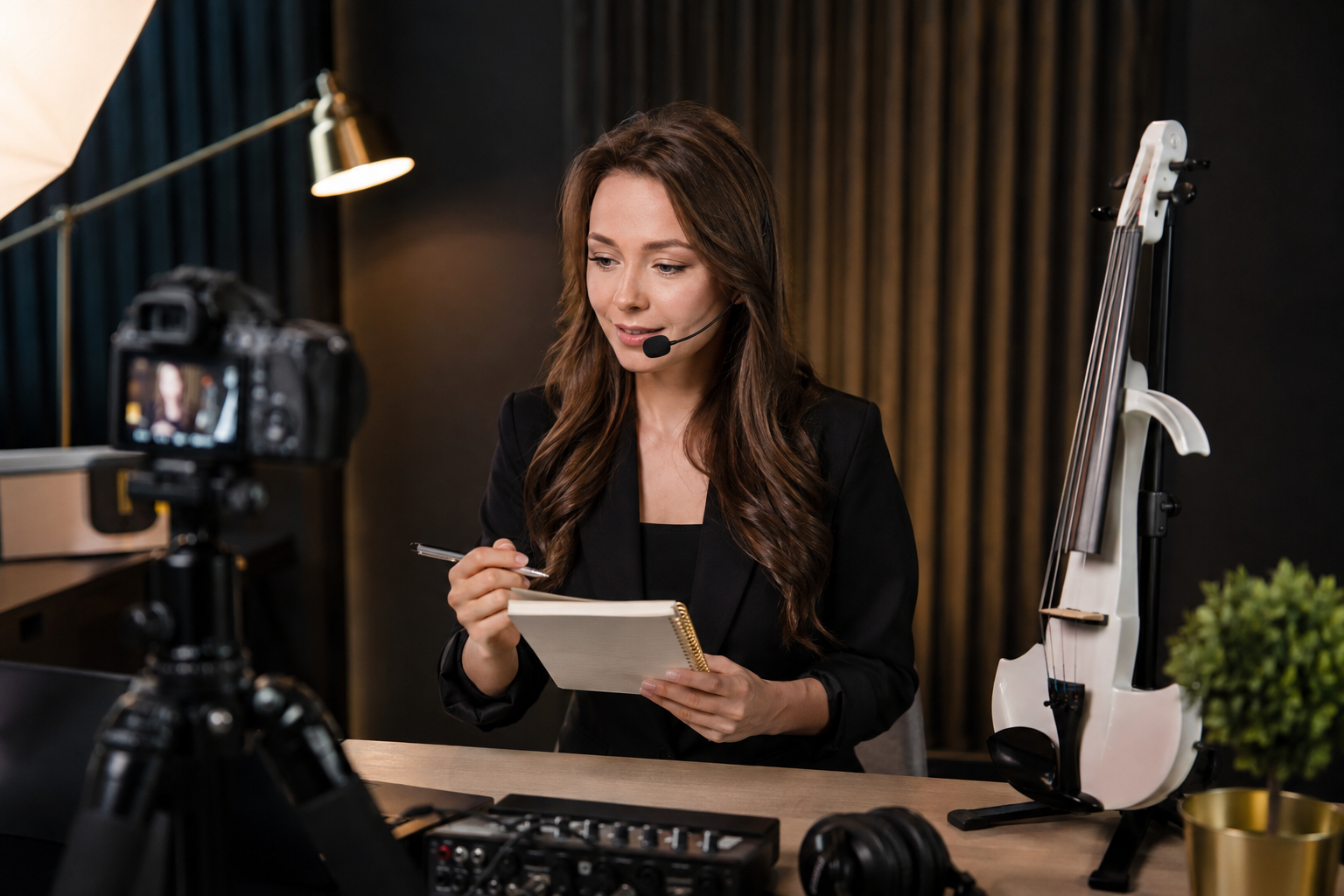
What should electric violinists check before buying a headset microphone?
Buy the headset around the actual show, not around the dream of owning the most invisible or expensive model. Tanya Strings wants the microphone to support movement, clarity, and repeatability across stage work and content capture.
My buying checklist:
- Choose omni or directional honestly: omni is easier and more forgiving, directional is stronger only when the stage is louder and your placement discipline is real.
- Check connector compatibility first: bodypack matching matters before tone preferences if you already run wireless.
- Think about the full visual system: hairstyle, earrings, glasses, costume lines, and violin shoulder position all affect comfort.
- Budget for the accessories too: windscreens, clips, spare cable options, and safe storage matter more than many first-time buyers expect.
- Match the mic to the monitor plan: a headset lives differently with wedges than with a strong wireless IEM or wired monitor pack.
- Keep the rest of the vocal lane in view: if you still need a conventional singing backup, pair this choice with my vocal microphone guide.
My buying order: if you already speak or sing in most shows, I would buy the right headset microphone before another creative pedal. Clear communication and free movement usually pay back faster than one more effect color.
Which mistakes make headset microphones harder to use on stage?
The usual failures come from choosing by fantasy, not by stage conditions. A headset mic can feel brilliant when it matches the room and frustrating when it does not.
- Buying the tiniest mic for the loudest stage: visual stealth is not the same thing as loud-stage success.
- Ignoring connector and bodypack matching: wrong termination kills momentum before the first soundcheck.
- Placing the boom too close to the mouth center: that often creates more breath and pop noise than you need.
- Skipping backup accessories: a spare clip, windscreen, or cable can save the whole night.
- Forgetting the violin movement pattern: head turns, bow arm motion, and talking while walking all change the mic decision.
- Buying from singer demos alone: electric violin hosting and crossover work need a different mix of speech clarity, comfort, and reliability.
FAQ
What is the best headset microphone for most electric violinists?
Shure DH5 is my best overall answer because it balances secure fit, calm tone, sweat resistance, and practical stage durability very well.
Should electric violinists choose an omnidirectional or directional headset microphone?
Most should start with omni because it is easier to place consistently while moving with the violin. Directional models make more sense on louder stages.
Which headset microphone is the most discreet for luxury events or camera work?
Countryman H6 is the most discreet pick here because the capsule and frame are extremely small and visually restrained.
What is the best budget headset microphone for a first rig?
Audio-Technica PRO8HEx is the simplest budget starting point because it gives you real headworn practicality without pushing you straight into premium miniature pricing.