Comfort · 2026-07-21
Best Shoulder Rests for Electric Violinists Who Play Long Live Sets
The best shoulder rest for most electric violinists who play long live sets is the Kun Solo because it gives Tanya Strings what matters on stage: higher support, ultra-fine quick adjustment without screws, foldable feet for easier case packing, and enough shoulder grip to stay stable through hot lights, movement, and fast changeovers. If you want the most customizable premium fit, Kun Seven is the stronger buy. Kun Original is the reliable value pick, Kun Bravo is the elegant wooden upgrade, Wolf Forte Secondo suits players who need maximum shaping, and Pirastro KorfkerRest LUNA is the featherlight travel-premium choice when low weight matters as much as comfort.
Follow Tanya Strings on Google
Add the site as a preferred source to see more new violin posts from Tanya Strings in Google.
Affiliate disclosure: Some links in this article are affiliate links. I may earn a commission if you make a purchase, at no extra cost to you.

What is the best shoulder rest for most electric violinists who play long live sets?
For most working performers, I would start with the Kun Solo. Kun positions it as a taller model with a quick-adjust finger lever, foldable feet, and added shoulder-end width for comfort and grip. That combination matters in the exact places where live electric violin can become physically expensive: long weddings, outdoor soundchecks, repeated club sets, and creator-performance days where you stay loaded on one side of the body for hours. Tanya Strings does not need a shoulder rest that wins a debate on paper. I need one that keeps the violin stable, the neck calmer, and the pack-down practical enough to survive real gig life.
My performer rule: buy a shoulder rest for what your body feels in hour two of the set, not only for what feels acceptable in minute five.
Why does shoulder-rest comfort matter more for electric violin stage work than many players assume?
Because electric violin performance is not only about sound. It is also about repeatable posture under pressure. On stage, the body is managing bow control, pitch, movement, visual presence, stage heat, wireless packs, and sometimes content capture on the same day. A shoulder rest that slides, pinches, or forces the violin into the wrong height quietly taxes everything else. That is why I treat the shoulder rest like part of the performance system, just like the stage setup, the stand strategy, and the travel case. Comfort is not a luxury purchase when it changes how cleanly the show survives the night.
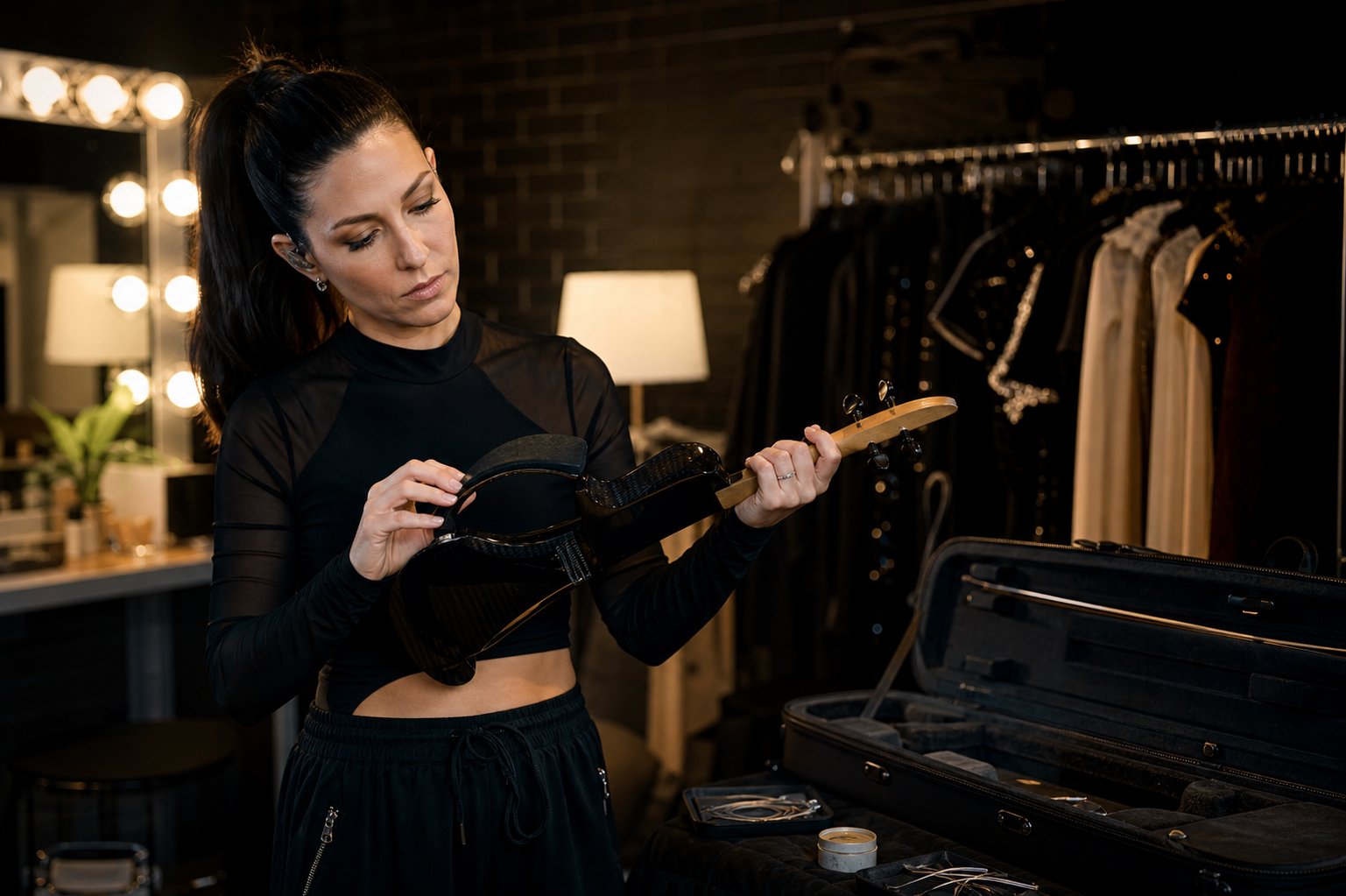
Which shoulder rests are worth buying right now?
This shortlist stays focused on live usefulness for electric violin: stable fit, better endurance, cleaner travel behavior, and honest reasons to spend more only when the body and the calendar really justify it.
| Product | Best for | Why Tanya would use it | Watch out for | Links |
|---|---|---|---|---|
| Kun Solo | Most electric violinists who need taller support and faster pack-down | I trust it because the quick-adjust lever, wider shoulder end, and folding feet solve real performer problems without making the setup fussy. | If you prefer a very low rest or a flatter body shape, the higher design can feel like too much. | Official · Amazon |
| Kun Seven | Serious performers who want premium fit tuning and resonance-minded engineering | I would move here when the body fit itself is the upgrade, because the bendable pad, height adapters, coupler joint, and ratchet width logic are genuinely more advanced. | Premium price, and you only feel the gain if you will actually use the deeper adjustment range. | Official · Amazon |
| Kun Original | Value-minded players who want a simple classic that still works on stage | I like it when I want a proven uncomplicated rest that stays in the conversation because it does the basic job cleanly. | It does not fold, and it is less specialized for players who need extra height or more body-specific shaping. | Official · Amazon |
| Kun Bravo | Players who want a refined wooden rest with a more premium feel | I would choose it when I want the elegance of bent maple construction and a more luxurious feel without leaving mainstream shoulder-rest logic. | More expensive than the basic models, and the upgrade only makes sense if you already know your fit direction. | Official · Amazon |
| Wolf Forte Secondo | Players who need maximum bendability, high range, and custom ergonomics | I would use it when the central issue is body fit itself, because Wolf gives you a flexible backplate plus broad height, angle, and width adjustment. | It can feel more technical and less plug-and-play than players expect from a first shoulder-rest purchase. | Official · Amazon |
| Pirastro KorfkerRest LUNA | Travel-heavy premium players who want compact folding comfort with very low weight | I would buy it when low carrying weight, compact storage, and a cleaner high-end travel feel matter almost as much as the fit itself. | It is premium-priced, so it is easiest to justify when gigging and travel frequency are already high. | Official · Amazon |
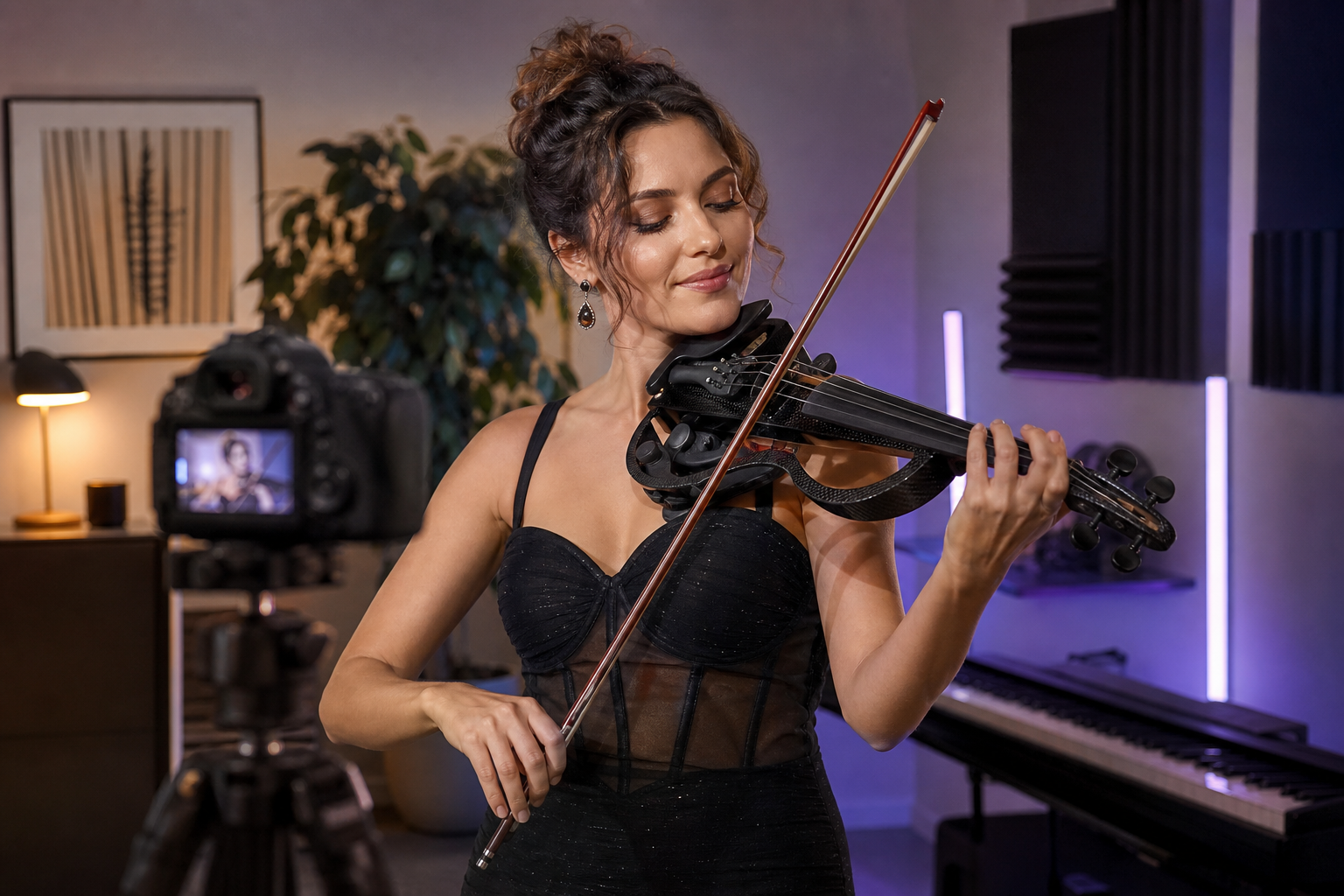
Why is Kun Solo my best overall pick?
The Solo is the best overall answer because it lands in the most useful middle ground for working electric violinists. Kun says it uses a quick-adjust finger lever for ultra-fine size adjustment, a greater shoulder-end width for added comfort, patterned cut-outs for better grip and reduced weight, and a foldable design for easier storage. That is a strong stage combination. Tanya Strings often needs a shoulder rest that can feel tall enough for longer sets, stable enough for movement, and practical enough to disappear into the case after a fast exit. The Solo is not the most luxurious rest in the list, but it solves the most common gigging problem well.
Who should buy Kun Solo first?
Buy it first if your body wants more height, your current rest feels annoying to pack, or long gigs are starting to create shoulder fatigue you can no longer ignore.
- Pros: quick fine adjustment, stronger comfort for taller setups, folding feet, useful grip, and practical stage value.
- Cons: less ideal if you prefer a low-profile rest or already know you need a highly custom-shaped body contour.
See the official Kun Solo page · Find Kun Solo options on Amazon
When should you buy Kun Seven or Kun Bravo instead?
Buy one of these when the question is no longer basic shoulder support, but how refined you want the fit and feel of the whole instrument-body contact point to become.
Why would Tanya Strings step up to Kun Seven?
Kun describes the Seven as a more advanced system with a bendable pad, three height options through exchangeable pad adapters, a coupler joint for angle and position changes, ratchet-based width adjustment, and offset feet designed for grip with minimal violin contact. That is the right kind of premium complexity. I would buy Kun Seven when the rest is no longer just a comfort accessory but a direct performance variable. If a standard rest always feels close-but-not-quite-right across rehearsals, soundchecks, and camera sessions, Kun Seven becomes easier to justify.
- Pros: deeper fit control, premium construction, serious customization range, and strong appeal for demanding performers.
- Cons: costs more, takes more intention to dial in, and is unnecessary if your body already works well with simpler rests.
See Kun Seven · Find Kun Seven options on Amazon
When is Kun Bravo the smarter premium-feel choice?
Kun says the Bravo uses bent hardwood laminates hand-made in Italy from European curly maple, along with metal adjustment hardware and a patented locking device on the feet to limit rotation. That makes it attractive for performers who want a more refined wooden aesthetic and a more elevated feel without jumping into the most experimental shoulder-rest designs. Tanya Strings would buy Bravo when the fit direction is already known and the goal is to upgrade the tactile experience, not radically solve a body-geometry problem from zero.
- Pros: premium wood construction, elegant feel, stable feet logic, and strong long-term appeal.
- Cons: price, and less reason to pay for it if you still do not know what height or contour your body really needs.
See Kun Bravo · Find Kun Bravo options on Amazon
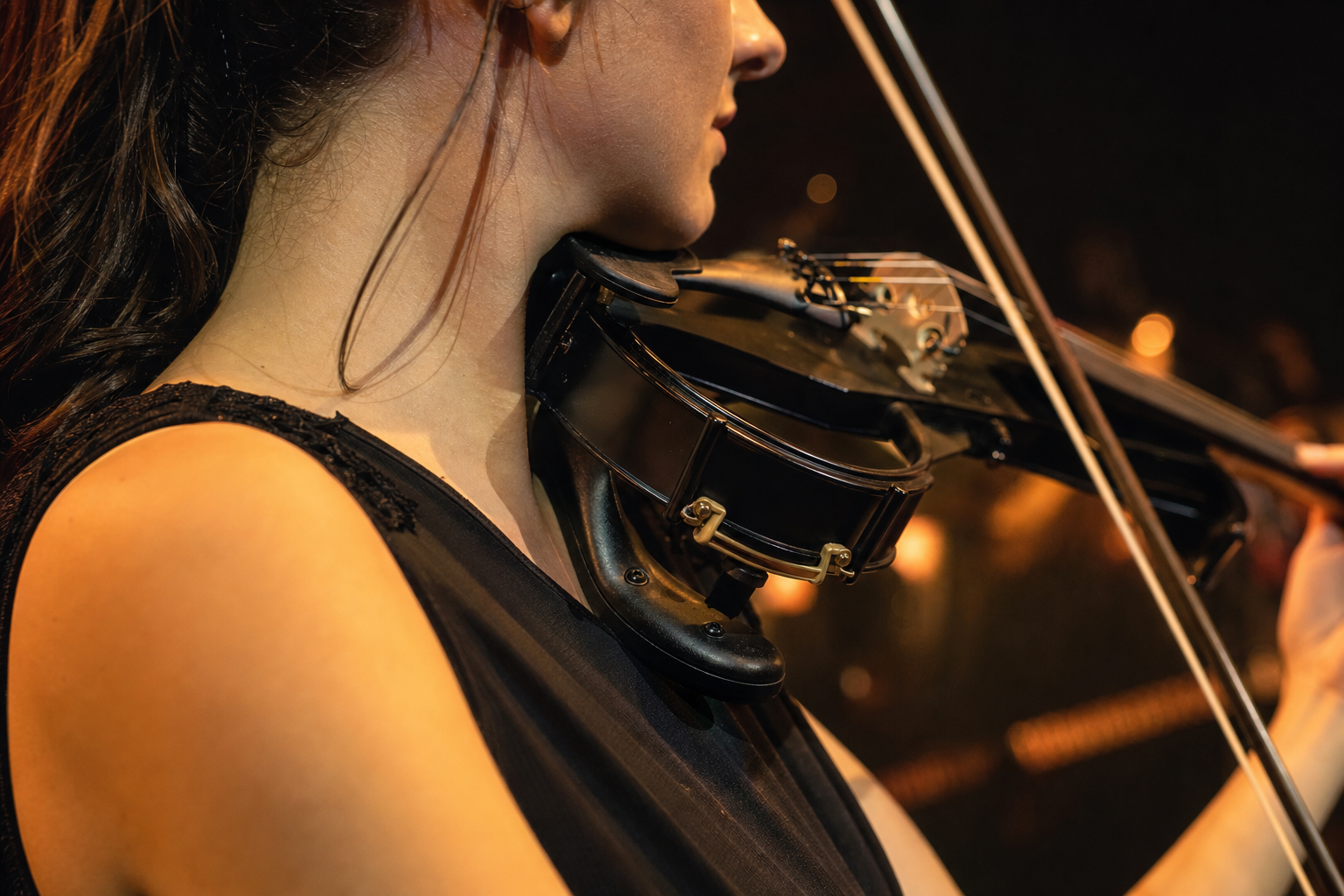
Who should choose Kun Original, Wolf Forte Secondo, or Pirastro KorfkerRest LUNA?
These three make sense when the buying logic is more specific.
Why is Kun Original still worth buying?
Because simple gear survives for a reason. Kun describes the Original as a practical, uncomplicated design that remains a favorite among amateur and professional players alike. Tanya Strings would buy it when the rest does not need to be glamorous. I want a reliable classic, I know I do not need foldability, and I would rather save money for strings, monitoring, or the next climate-sensitive accessory.
- Pros: trusted design, strong value, easy to understand, and still stage-usable.
- Cons: does not fold and offers less specialized height help than the taller or more advanced models.
See Kun Original · Find Kun Original options on Amazon
When is Wolf Forte Secondo the right ergonomic answer?
Wolf says Forte Secondo uses a comfortable rubber body on top of aluminum plating so players can shape it to their own ergonomics, with height adjustment on both sides from 0.5 cm to 8 cm, angle adjustment, width adjustment, and a flexible backplate. That is serious adjustability. I would look here when the body fit issue is real enough that a standard shoulder-rest silhouette keeps failing. If you have a long neck, asymmetry, or repeated discomfort from more mainstream shapes, Wolf makes more sense than blindly buying yet another conventional rest.
- Pros: huge shaping range, high height ceiling, flexible ergonomic logic, and good fit for players with specific body needs.
- Cons: more setup experimentation and less immediate plug-and-play simplicity.
See Wolf Forte Secondo · Find Wolf Forte Secondo options on Amazon
Why would a travel-heavy performer pay for Pirastro KorfkerRest LUNA?
Pirastro positions KorfkerRest LUNA as instantly comfortable, featherlight, easy to adjust with a click-system, foldable into an ultra compact shape, and notably light at 32 g for the violin model. That is exactly why a travel-heavy electric violinist would care. I would buy LUNA when the calendar includes flights, tighter packing rules, long city walking, and a premium preference for very low carry weight. It is not the budget answer. It is the answer when small travel frictions are starting to hurt the larger performance schedule.
- Pros: featherlight feel, compact folding design, premium travel convenience, and a strong comfort-first identity.
- Cons: premium price and less reason to stretch for it if most of your playing still happens in one room or one local venue circuit.
See Pirastro KorfkerRest LUNA · Find KorfkerRest LUNA options on Amazon
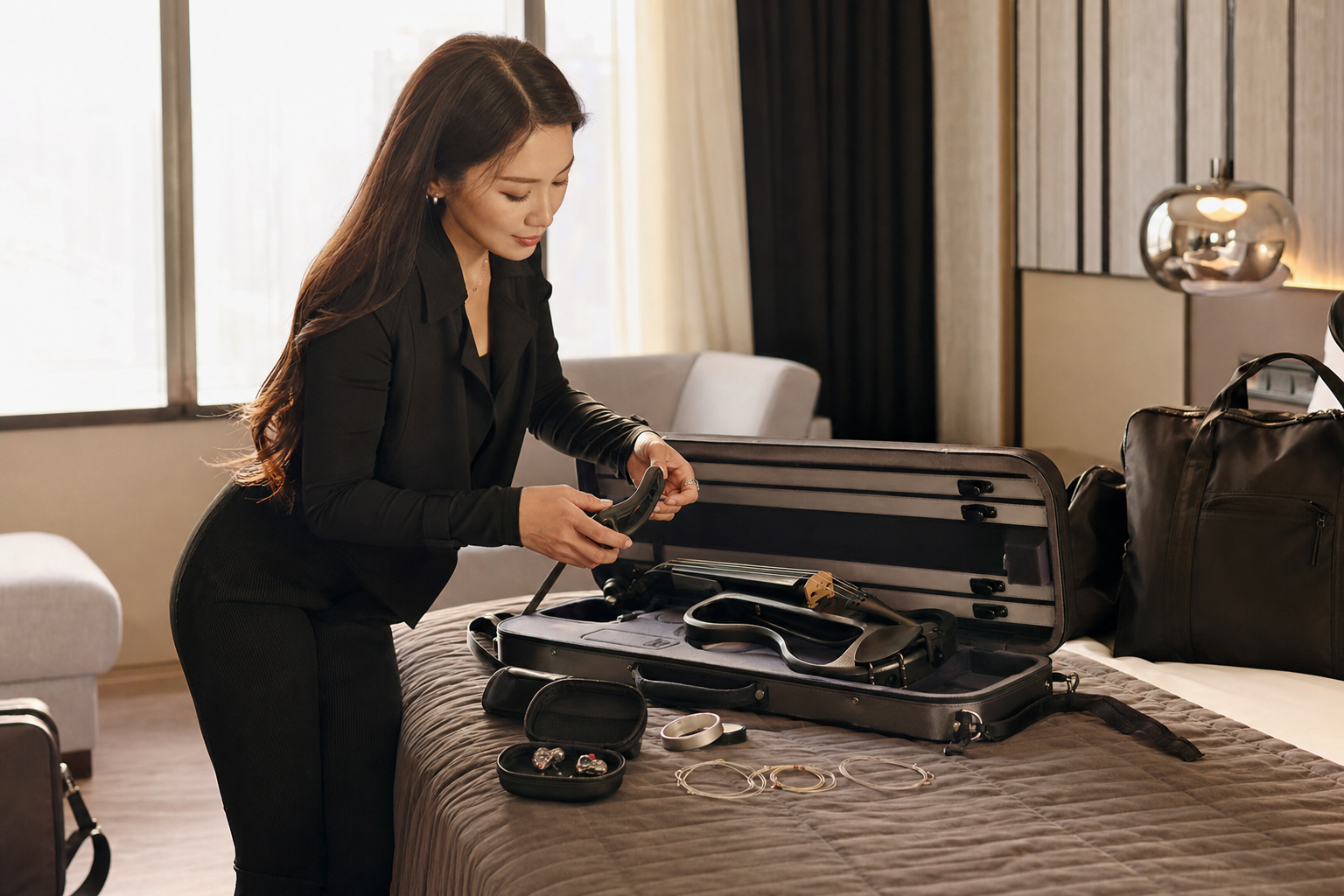
How should electric violinists buy a shoulder rest for stage use?
Buy around your actual body, actual chinrest, and actual gig calendar. Too many shoulder-rest purchases are really guesses.
My buying checklist:
- Decide whether the real problem is height, slipping, pressure, or poor packability.
- Test the rest inside the full live posture, not only in a calm room without straps, cameras, or stage nerves.
- Check whether the rest still makes sense with your case workflow, especially if you travel often.
- Match the budget to the seriousness of the problem. Do not buy premium complexity for a basic fit issue.
- Revisit the surrounding setup too, because shoulder comfort is tied to strings, chinrest height, and the whole instrument feel.
Quick decision rule: if your violin slides, your neck tightens, or your left hand starts compensating halfway through the set, the shoulder rest is no longer a minor accessory decision.
What mistakes should you avoid after buying a shoulder rest?
The biggest mistake is assuming the product itself will solve a setup you still have not understood.
- Do not copy another player blindly: a world-class fit for someone else can be wrong for your neck, jaw, and shoulder line.
- Do not judge too fast: some rests need a few rehearsals before the body stops reacting to change.
- Do not ignore the case routine: if the rest is constantly annoying to store, you will stop using it correctly.
- Do not buy height when you really need shape: extra height can hide the real issue for a week and then create new tension.
- Do not separate comfort from performance: if the body is fighting the instrument, the musical result eventually shows it.

FAQ: Best shoulder rests for electric violinists
What is the best shoulder rest for most electric violinists who play long live sets?
For most players, I would start with Kun Solo because it balances comfort, fast adjustment, folding convenience, and realistic stage practicality better than most alternatives.
Should electric violinists always choose a higher shoulder rest?
No. A higher rest helps only when your body actually needs it. If the height is wrong, it can create more tension instead of less.
Is a premium shoulder rest worth it before other upgrades?
Only when comfort and fit are already the bottleneck. If the bigger problem is stage monitoring, strings, or rig reliability, solve those first.
Which shoulder rest is best for frequent travel?
Pirastro KorfkerRest LUNA is the most travel-minded premium option here because its compact folding behavior and low weight directly help the moving performer.