Power Management · 2026-07-29
Best Rechargeable Batteries and Smart Chargers for Electric Violinists Who Rely on Wireless Gear, Tuners, and Stand Lights
The smartest rechargeable battery setup for most electric violinists is Panasonic eneloop AA cells with the BQ-CC55 charger because it gives predictable runtime, simple slot-by-slot charging, and less backstage confusion than random cheap bundles. Move to eneloop pro or Powerex PRO AA when your stand lights, wireless packs, or creator accessories burn through cells faster. Buy USB-C batteries like Paleblue Voyager AA, AAA, or 9V only when travel simplicity matters more than keeping one classic charger system. Tanya Strings treats batteries as stage infrastructure: if the power plan feels vague, the show already feels more fragile.
Follow Tanya Strings on Google
Add the site as a preferred source to see more new violin posts from Tanya Strings in Google.
Some links in this article are affiliate links. I may earn a commission if you make a purchase, at no extra cost to you.
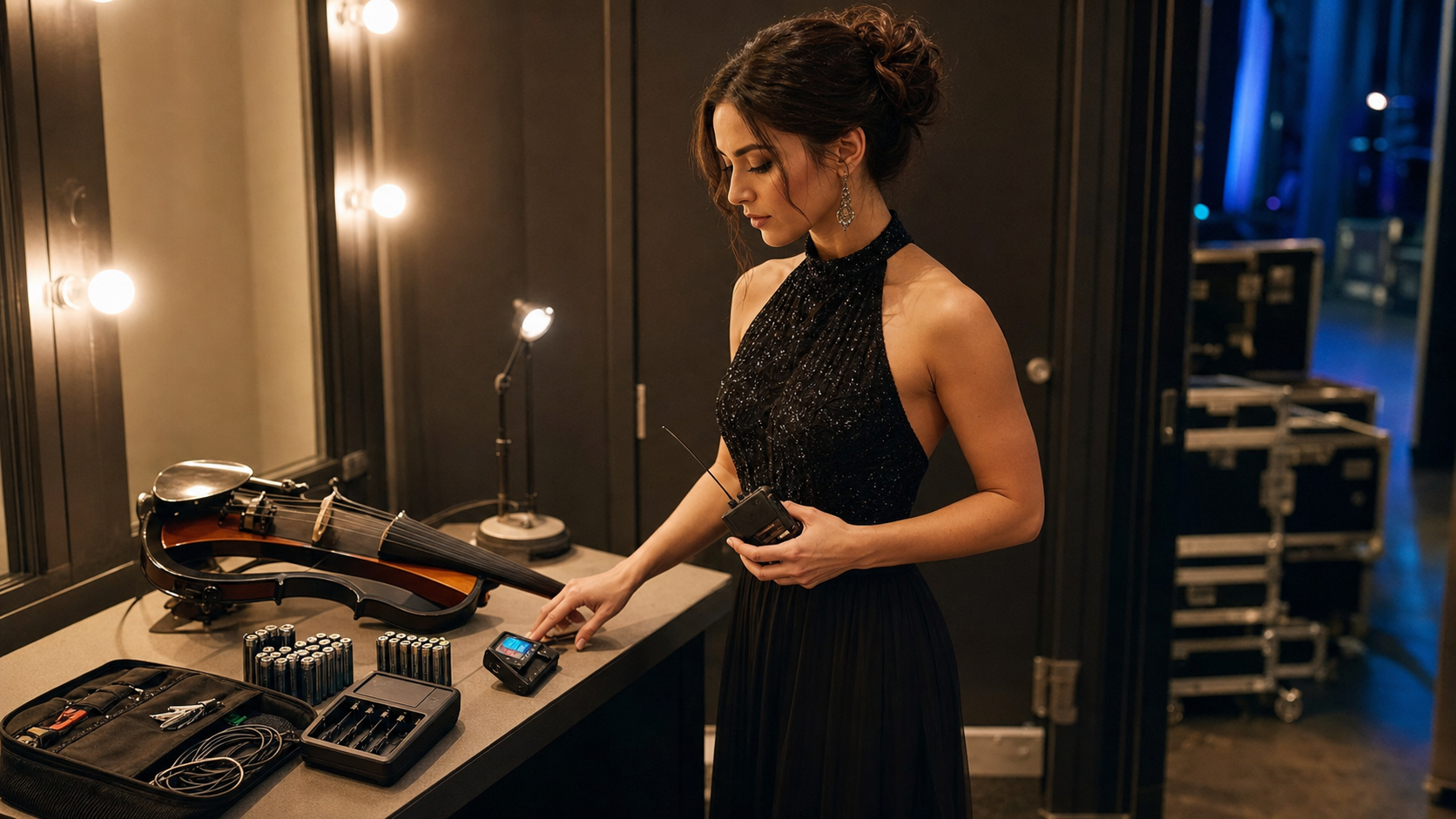
What rechargeable battery kit should most electric violinists buy first?
For most players, I would start with Panasonic eneloop AA batteries and the BQ-CC55 charger. Tanya Strings does not want a battery system that looks clever on a product page and becomes messy on an actual call time. Panasonic positions eneloop AA as a low-self-discharge rechargeable with up to 2000 mAh capacity, minimum 1900 mAh, operation between -20 C and 50 C, and reuse up to 2100 times. Panasonic also says the BQ-CC55 can charge one to four AA or AAA eneloop cells in any combination, checks each slot individually, and can recharge two AA eneloop batteries in about 90 minutes. That is exactly the kind of backstage clarity I trust.
My performer rule: if I cannot see which cells are charged in two seconds, the battery system is already costing me show focus.
Which rechargeable batteries and chargers are worth buying right now?
This shortlist stays close to real electric violin use: wireless packs, clip-on tuners, stand lights, content-day accessories, and travel kits that need a cleaner power routine instead of last-minute battery guessing.
| Product | Best for | Why Tanya would use it | Watch out for | Links |
|---|---|---|---|---|
| Panasonic eneloop AA + BQ-CC55 | Most players who want one disciplined everyday rechargeable system | I trust this kit because the batteries are stable, easy to label, and the charger treats each slot separately instead of turning the whole routine into a guessing game. | It is the smartest default, not the most extreme runtime option, so buy it for calm reliability rather than for raw bragging numbers. | Official batteries · Official charger · Amazon |
| Panasonic eneloop pro AA | Longer rehearsals, brighter lights, and higher-drain accessory lanes | I would step up here when the rig clearly burns through standard AA cells faster and I want more reserve without changing the whole workflow. | Panasonic rates eneloop pro for fewer recharge cycles than regular eneloop, so it makes sense when the extra runtime is genuinely useful. | Official · Amazon |
| Powerex PRO AA + MH-C980 | Heavy weekly battery users who want fast turnaround and battery-health insight | I like this lane when the rig is busy enough to justify 2700 mAh cells, an eight-slot charger, and actual capacity readout instead of polite optimism. | It is more charger than many small-show players need, so do not buy it just because it looks serious. | Official batteries · Official charger · Amazon |
| Paleblue Voyager AA USB-C | Travel kits that want AA rechargeability without carrying a separate dock | I would use these when the bag is already full and I want batteries that charge like the rest of my USB-C travel kit. | USB-C convenience is the point, so only choose this lane if your actual workflow values cable simplicity over a single traditional charger ecosystem. | Official · Amazon |
| Paleblue Voyager AAA USB-C | Clip-on tuners, stand lights, and smaller accessories that want lighter cable clutter | I like them for compact accessories because the USB-C routine is tidy and the true 1.5V output is built to behave more like standard alkaline batteries. | They are a workflow buy, not an excuse to stop testing runtime in each device you actually use. | Official · Amazon |
| Paleblue Voyager 9V USB-C | Specific 9V accessories or stage tools that you have already verified with rechargeables | I would use it only in a disciplined lane where I want direct USB-C charging and fewer disposable 9V purchases for approved gear. | Never assume every 9V device will love every rechargeable 9V battery. Test first, then trust. | Official · Amazon |
When should you buy Panasonic eneloop AA with the BQ-CC55 charger?
Buy it when you want the safest all-around answer instead of the flashiest one. Panasonic says eneloop AA cells are made in Japan, pre-charged, rated for broad temperature use, and rechargeable up to 2100 times. Panasonic also says the BQ-CC55 uses Individual Charge Control, accepts one to four AA or AAA cells in any combination, estimates remaining capacity with separate LED indicators, and supports AC 100 to 240 V. Tanya Strings values that because a working electric violin battery system should feel obvious under pressure, not clever only when the room is quiet.
Who should buy this kit first?
Buy it first if your real problem is routine, not raw output. It is the smartest first move for performers who use clip-on tuners, stand lights, wireless accessories, or creator extras often enough to hate disposable batteries but not so heavily that they need a lab bench.
- Pros: clear everyday workflow, good shelf behavior, individual-slot charging, worldwide-voltage charger support, and easy backstage labeling.
- Cons: less maximum runtime than higher-capacity AA options and less analysis depth than a pro charger-analyzer.
See Panasonic eneloop AA · See the BQ-CC55 charger · Find the eneloop + BQ-CC55 setup on Amazon
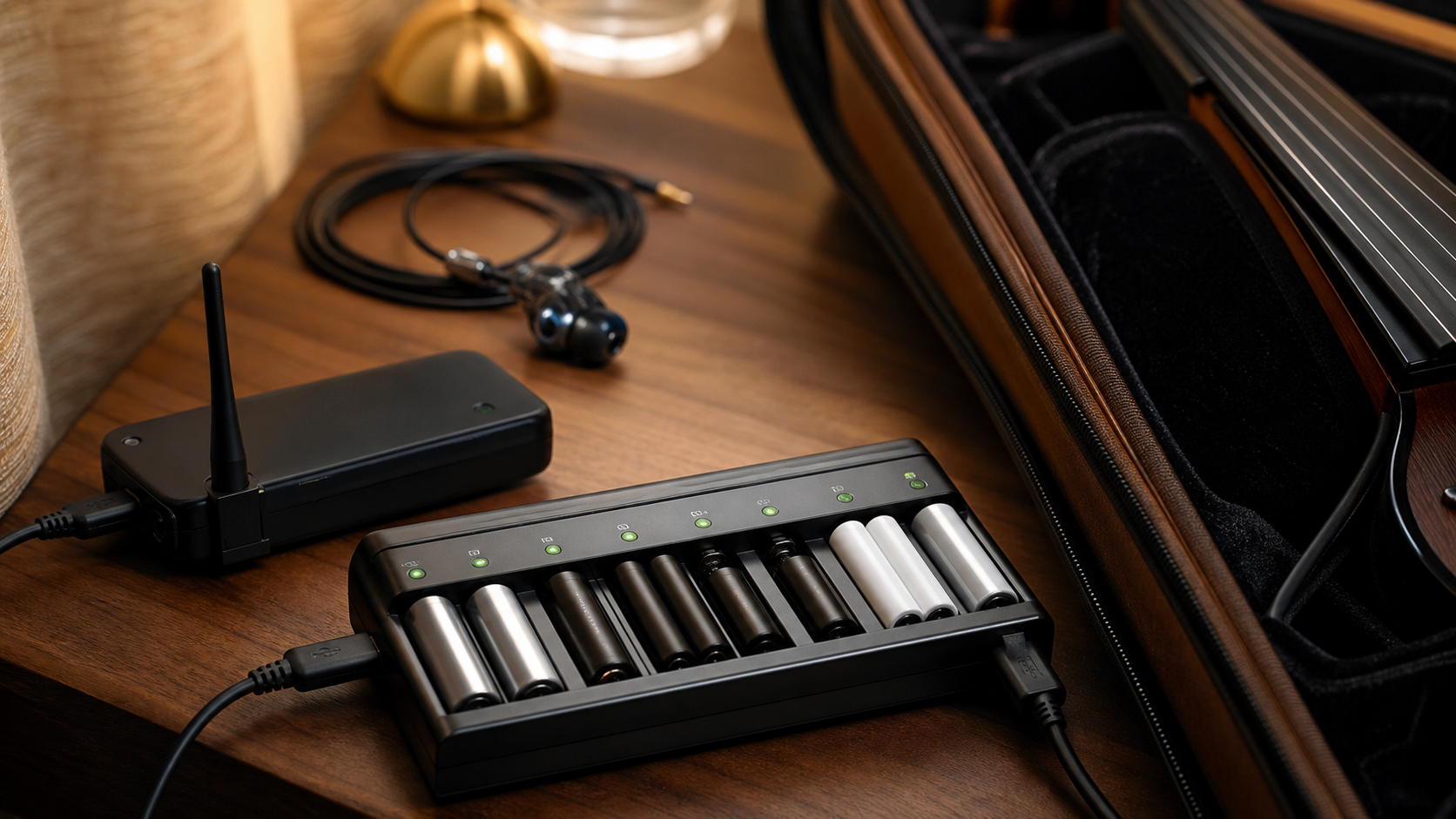
When should you step up to eneloop pro or Powerex PRO AA?
Step up when the standard battery kit has already proved its limits. Panasonic says eneloop pro AA offers minimum 2500 or 2450 mAh capacity, about 28 percent more capacity than regular eneloop, roughly 85 percent retention after one year, and recharge up to 500 times. That makes sense when brighter stand lights, longer rehearsals, or heavier backstage accessory use are draining your regular cells too quickly.
For even busier battery weeks, Powerex makes a stronger heavy-use lane. Powerex says its PRO AA cells are 2700 mAh NiMH batteries built for high-drain devices, rated from -20 C to 50 C, rechargeable up to 500 times, and able to retain up to 60 percent of charge after five years in storage. Powerex also says the MH-C980 charges up to eight AA or AAA cells in about one hour in Turbo mode, gives a one-touch battery health analyzer with actual capacity readout, and includes a deep conditioning system. That is useful when Tanya Strings wants to know which cells are weak before the weak cell chooses the moment for me.
How do I choose between eneloop pro and Powerex PRO?
Choose eneloop pro if you want a familiar upgrade inside a simple Panasonic workflow. Choose Powerex PRO with the MH-C980 when the schedule is dense enough that faster turnaround, eight-slot charging, and health analysis are worth real money.
- eneloop pro pros: stronger reserve than regular eneloop, familiar compatibility, and easy fit inside the Panasonic charger path.
- eneloop pro cons: fewer rated recharge cycles than standard eneloop and less reason to buy if your accessories are already happy on regular cells.
- Powerex PRO + MH-C980 pros: maximum-runtime bias, fast eight-cell charging, capacity readout, conditioning, and a better system for heavier weekly use.
- Powerex PRO + MH-C980 cons: higher cost, more bulk, and more workflow than lighter users need.
See Panasonic eneloop pro · Find eneloop pro on Amazon
See Powerex PRO AA · See the MH-C980 charger-analyzer · Find the Powerex setup on Amazon
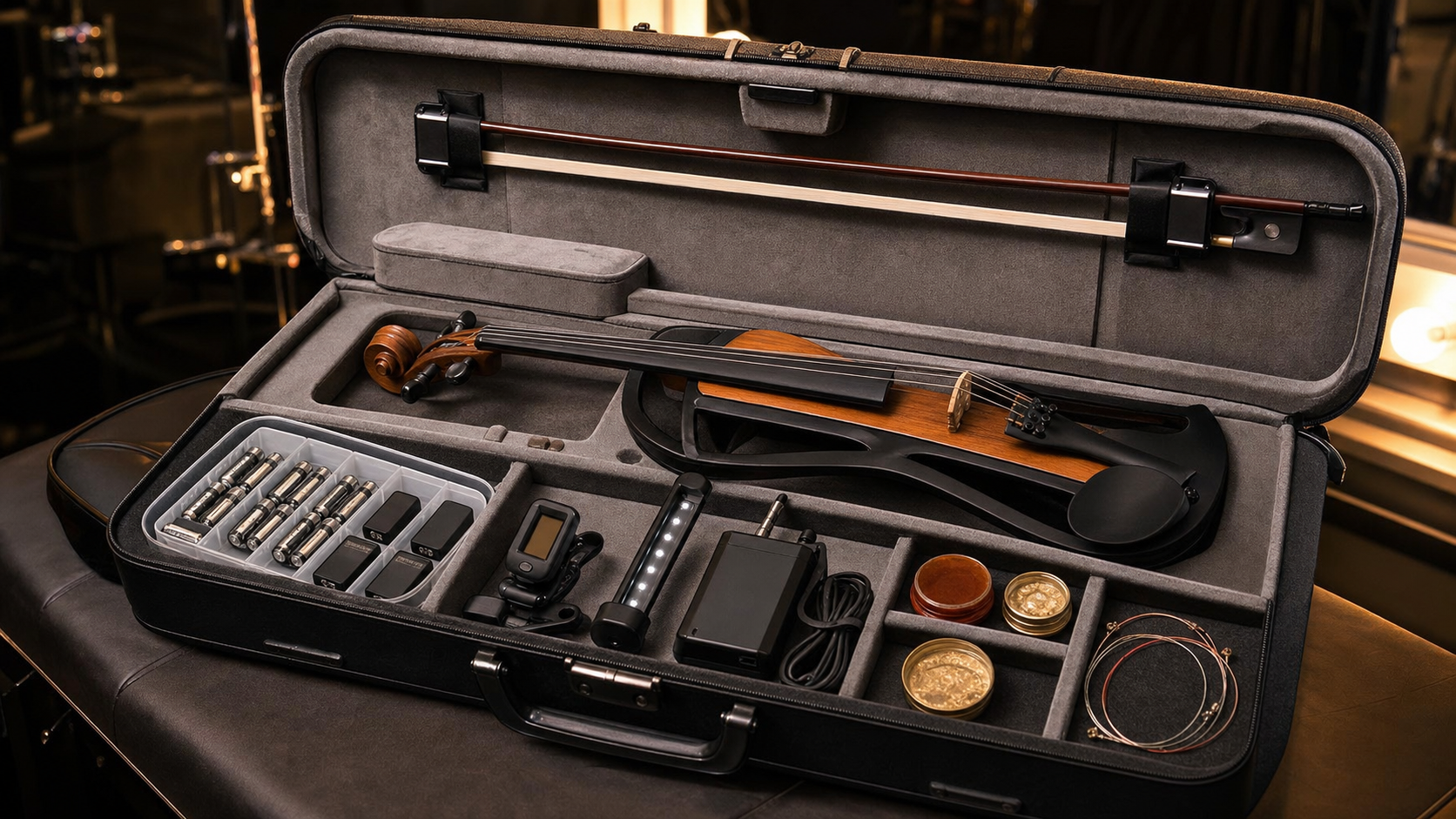
When do USB-C batteries make more sense than a traditional smart charger?
USB-C batteries make sense when travel simplicity is the bigger win. Paleblue positions its current Voyager AA and Voyager AAA cells around direct USB-C charging, true 1.5V output, LED charge indicators, and 1000-plus recharge cycles. I pay attention to that because some Tanya Strings travel days already include USB-C phone gear, lights, and creator tools. In those cases, dropping a separate charger dock can actually make the performance bag cleaner.
That convenience still needs honesty. USB-C rechargeables are smartest when the accessories are smaller, the turnaround is travel-driven, and the whole point is to reduce adapter clutter. They are less compelling if you already run a stable AA or AAA charging station at home and want every cell in the rig living inside the same discipline.
- Buy Voyager AA if you want USB-C convenience for AA accessories without packing a dedicated charger.
- Buy Voyager AAA if your clip-on tuner or stand light lane is where battery clutter keeps appearing.
- Skip USB-C batteries if the existing AA or AAA charger system is already neat and more predictable for your weekly routine.
See Voyager AA · Find Voyager AA on Amazon
See Voyager AAA · Find Voyager AAA on Amazon
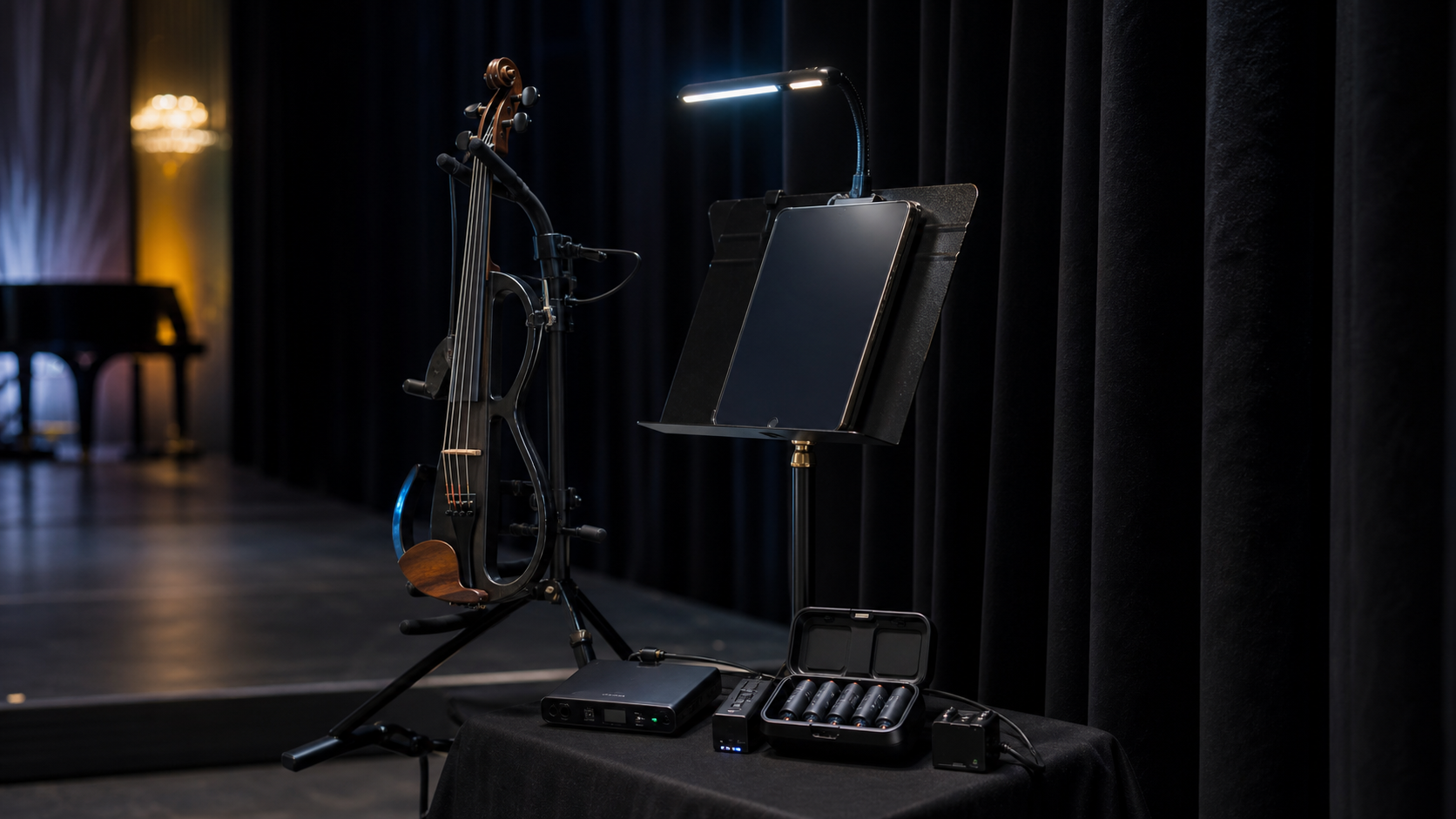
What should you know before buying rechargeable 9V batteries for stage gear?
Buy them with more caution than AA or AAA. Paleblue positions its Voyager 9V around direct USB-C charging, true 9V output, LED charge indication, and 1000-plus recharge cycles. That is attractive for specific rigs, especially when you are tired of throwing away disposable 9V batteries. But Tanya Strings does not assume every pedal, wireless accessory, or odd little backup tool will react the same way.
My rule is simple: test every 9V device in rehearsal, then measure real runtime, then decide whether it deserves the gig bag. Rechargeable 9V can be a smart cleanup move, but only after the device itself has earned trust.
- Pros: direct USB-C charging, cleaner travel logic, less disposable waste, and easier top-ups when the gear behaves well with rechargeables.
- Cons: not every 9V-powered device responds the same way, so blind trust is sloppy.
See Voyager 9V · Find Voyager 9V on Amazon
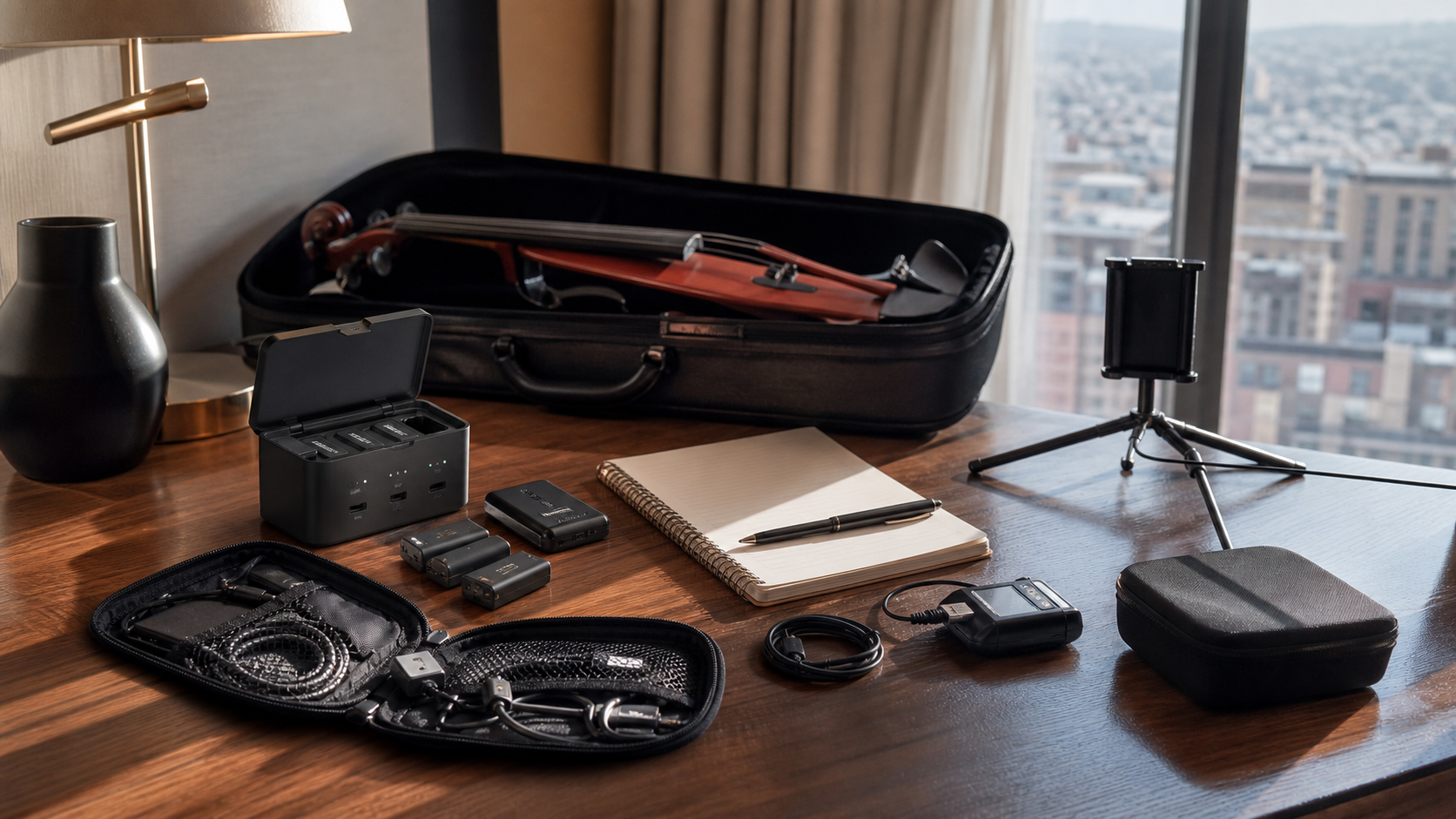
How should you build a battery routine that survives real shows?
Buy the system, not just the cells. A world-class performance rig stays calm because the power routine is boring in the best possible way.
My buying and setup guide:
- Start with one default battery chemistry for most of the rig before adding special-case travel batteries.
- Label charged and used cells clearly, and stop pretending you will remember by sight alone.
- Upgrade to higher-capacity AA only after you have proved that the standard kit is the real bottleneck.
- Use USB-C batteries for travel convenience, not because they sound newer.
- Test every 9V lane before a paid show.
- Keep the battery plan tied to the rest of the rig, including my wireless system, clip-on tuner, and stand light choices.
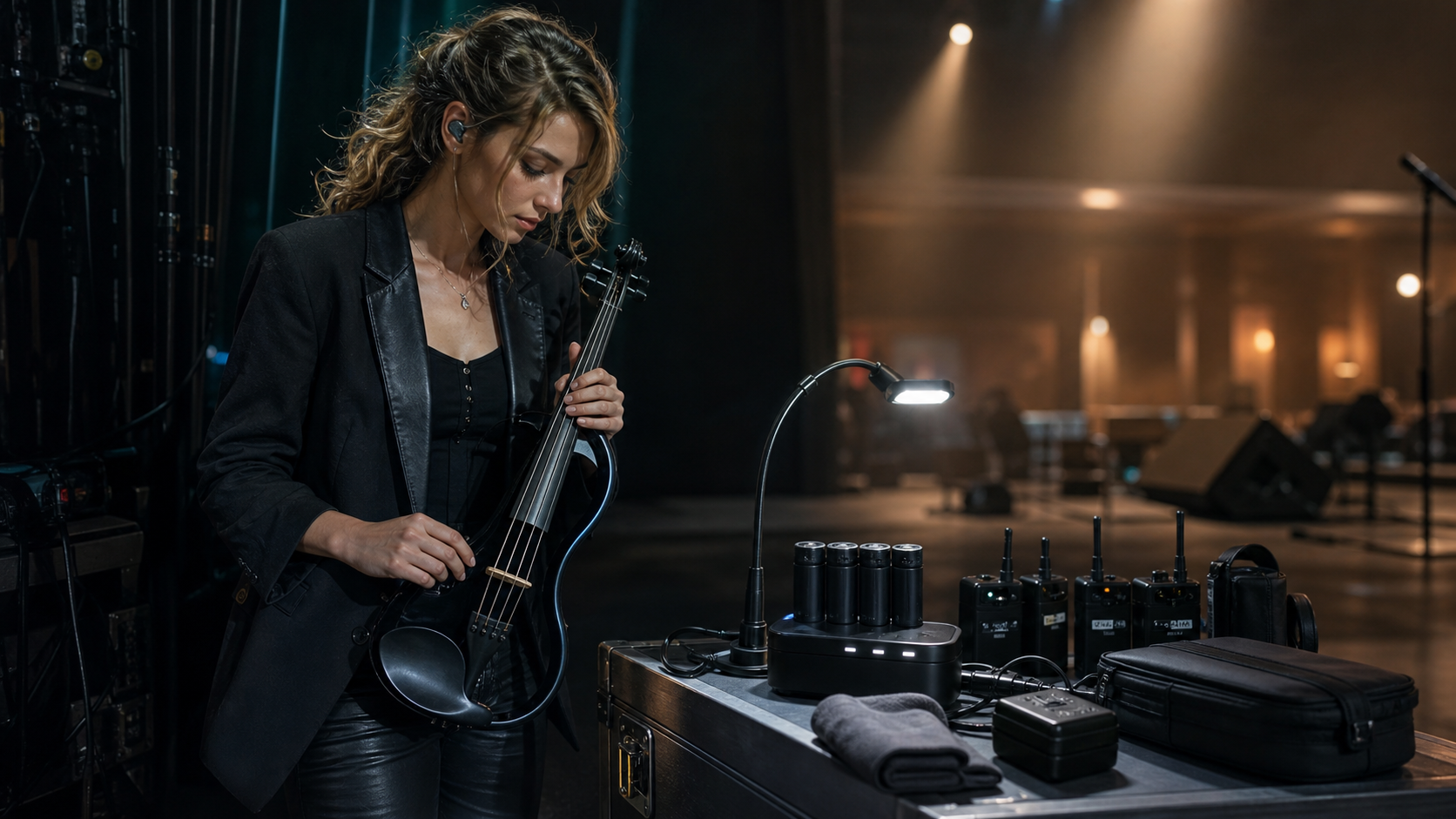
The point is not to build a battery hobby. The point is to keep Tanya Strings free to think about the entrance, the tone, the audience, and the shot list instead of one dying accessory.
FAQ
What rechargeable battery kit should most electric violinists buy first?
Start with Panasonic eneloop AA batteries and the BQ-CC55 charger. It is the cleanest first system for most working players because it is easy to manage, easy to trust, and broad enough for the accessory lanes that matter most.
Are USB-C rechargeable batteries better than eneloops for stage work?
Not by default. They are better when travel convenience and cable simplicity are the real problem. If your normal charger system is already calm and repeatable, you may not gain much by switching.
When is a bigger analyzer charger worth the money?
It becomes worth it when you cycle through many cells every week, need faster turnaround, or want actual battery-health data so weak cells stop surprising you backstage.
Can I trust rechargeable 9V batteries in every accessory?
No. Test each device first, confirm the real runtime, and only then let rechargeable 9V into the performance routine.