Performance Mobility · 2026-08-30
Best Performance Straps and Strap Locks for Self-Supporting Electric Violins on Stage
For most players using a self-supporting electric violin with strap buttons or a Viper-style rig, the best overall strap is the DiMarzio Elastic ClipLock because it combines real security with a little stretch that feels better when you move hard on stage. If you do not want to replace screws or add separate locking hardware, the Ernie Ball Comfort PolyLock is the cleaner no-mod buy. If you already own a Wood Viper and simply need the correct factory replacement, buy the Viper Violin Strap Black. Levy's and Neotech help more when wider padding and longer-set comfort matter most, while a Dunlop Straplok stays smart insurance for non-locking straps.
Follow Tanya Strings on Google
Add the site as a preferred source to see more new violin posts from Tanya Strings in Google.
Some links in this article are affiliate links. I may earn a commission if you make a purchase, at no extra cost to you.
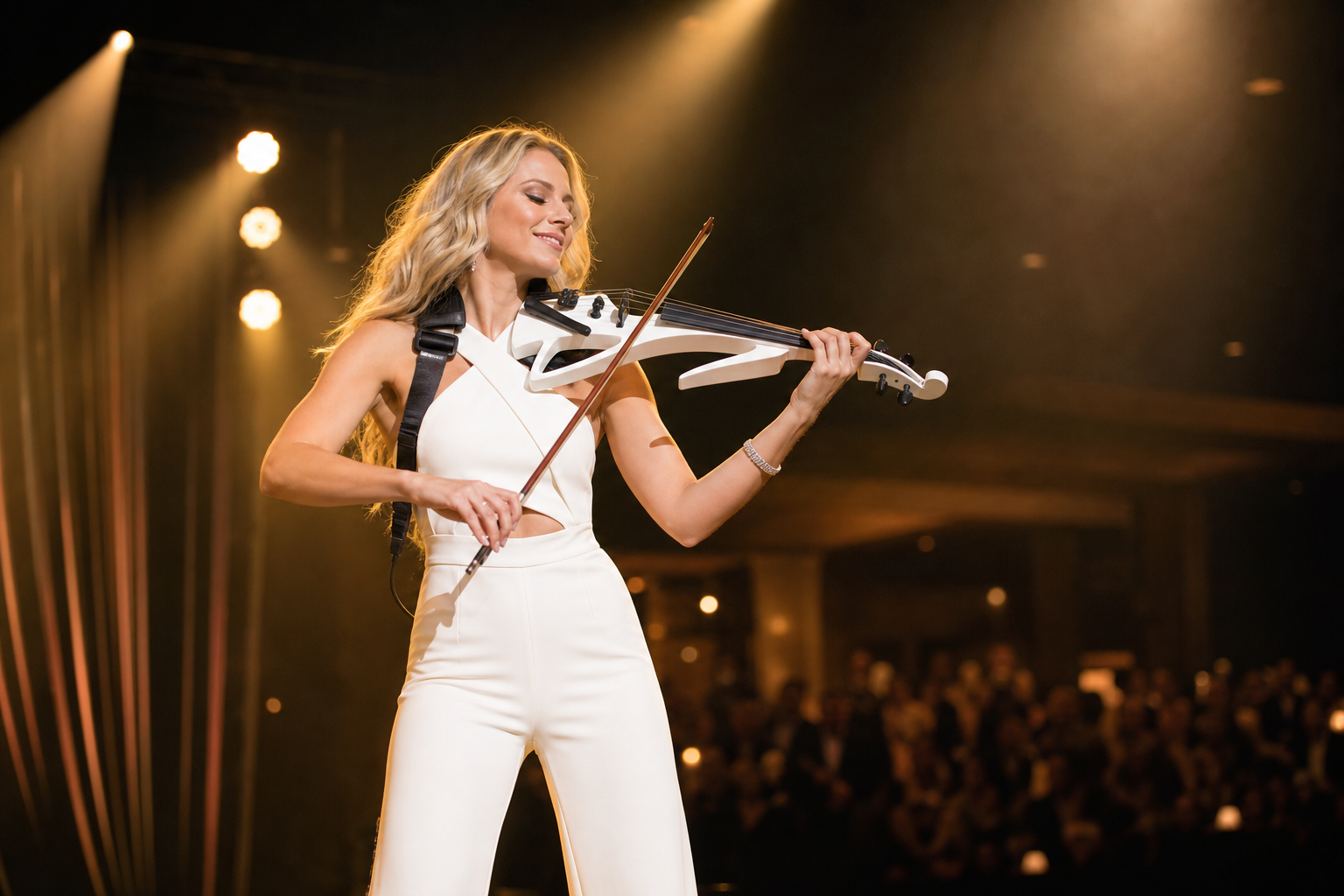
What is the best strap setup for most self-supporting electric violinists?
For most active stage players, I would build around one secure locking strap first and only then worry about fancier comfort upgrades. The cleanest overall answer is a locking design like the DiMarzio Elastic ClipLock, especially if the show includes fast walking entrances, dance movement, or hard pivots between violin and vocal moments. This is a different buying problem from the older shoulder-rest guide. That post is for chin-held electric violins. This one is for self-supporting instruments, Viper-style builds, and other strap-button rigs where the instrument is designed to live on the body differently.
My performer rule: if the violin moves more than your body wants it to, the strap setup is already stealing attention from the music.
Which straps and locking systems are worth buying right now?
I kept this list focused on real performer use: secure attachment, believable comfort over a full booking day, and enough adjustment to survive different costumes, venues, and movement demands without turning the rig into a project.
| Product | Best for | Why Tanya would use it | Watch out for | Links |
|---|---|---|---|---|
| DiMarzio Elastic ClipLock | Best overall for active stage movement | I like it because the locking clip system is proven, the elastic adds a little give, and the standard model adjusts from 43 to 63 inches without feeling fragile. | It installs with included bushings and screws, so it is best when you are comfortable with a dedicated locking setup. | Official · Amazon |
| Ernie Ball Comfort PolyLock Neoprene | No-mod comfort and security on standard strap buttons | I would buy it when I want secure attachment without changing hardware, plus more shoulder relief than a thin nylon strap gives. | The more padded feel is helpful, but it is not as locked-in as a screw-mounted quick-release system. | Official · Amazon |
| Levy's Comfort Series PM48NP2 | Players who want wider padded support without overcomplicating the rig | The neoprene body, center stretch fabric, and adjustable length up to 58 inches make sense when the violin sits on you for long sets or rehearsal-to-show days. | Great comfort, but this is still a conventional strap and may want extra lock hardware depending on your instrument. | Official · Amazon |
| Neotech Mega Strap | Long sets, heavier rigs, and players who want more shock absorption | I respect it because the memory-foam build and control-stretch design are aimed at players who live on the strap for longer than one short song. | It is bulkier than a slimmer strap, so buy it when comfort is the priority and not when you want the leanest visual profile. | Official · Amazon |
| Wood Violins Viper Violin Strap Black | Current Wood Viper owners who want the correct factory replacement | If I already trust the Viper system, the cleanest answer is the factory strap that was built for that instrument family. | It is the right answer for Viper players, not a universal answer for every electric violin platform. | Official · Amazon |
| Jim Dunlop Straplok Dual Design SLS1031N | Extra security for standard strap ends and high-movement stage work | I like it because the wide-flanged buttons work like regular buttons in a pinch, but the full system gives better protection when the show gets physical. | It solves security, not comfort, so it should be paired with the right strap rather than treated as the whole answer. | Official · Amazon |
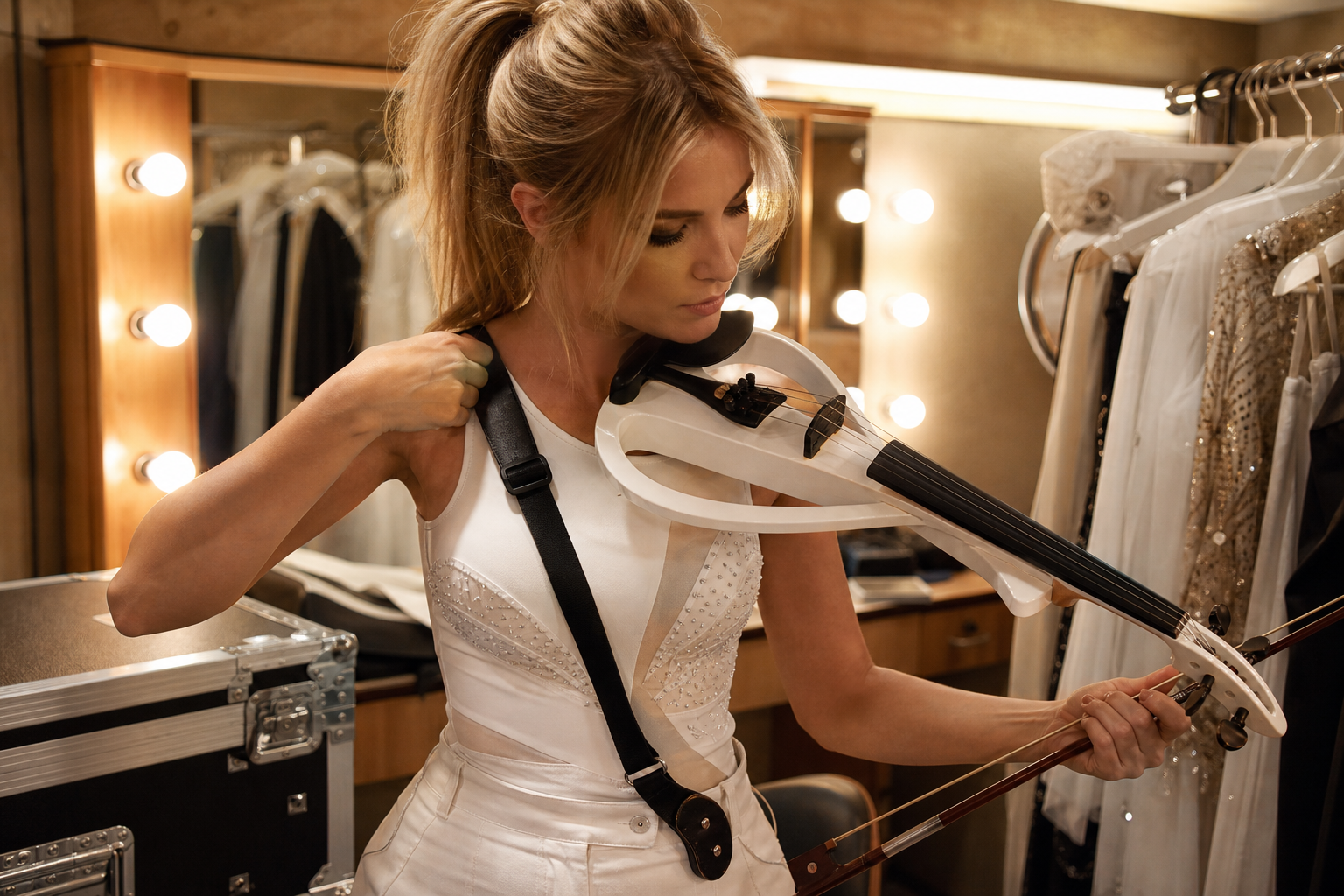
Why is the DiMarzio Elastic ClipLock my best overall pick?
The Elastic ClipLock is the best overall pick because it solves both fear and fatigue without turning the setup into dead weight. DiMarzio says the elastic model uses the ClipLock quick-release system, is strong enough to hold 150 pounds, includes the brass bushings and extra-long screws, and keeps the standard 43 to 63 inch adjustment range at a 2 inch width. That is exactly the kind of boring reliability I want from a stage strap. Tanya Strings wants the violin to stay attached, sit predictably, and tolerate movement without the strap feeling stiff or brittle.
Who should buy the Elastic ClipLock first?
Buy it first if your playing style includes walking the stage, turning toward cameras, stepping into the audience space, or changing posture a lot between songs. It is the strap I trust most for movement-heavy electric violin performance.
- Pros: secure locking design, useful stretch, long adjustment range, and proven stage durability.
- Cons: asks for a dedicated installed system and is less appealing if you want a no-hardware-change setup.
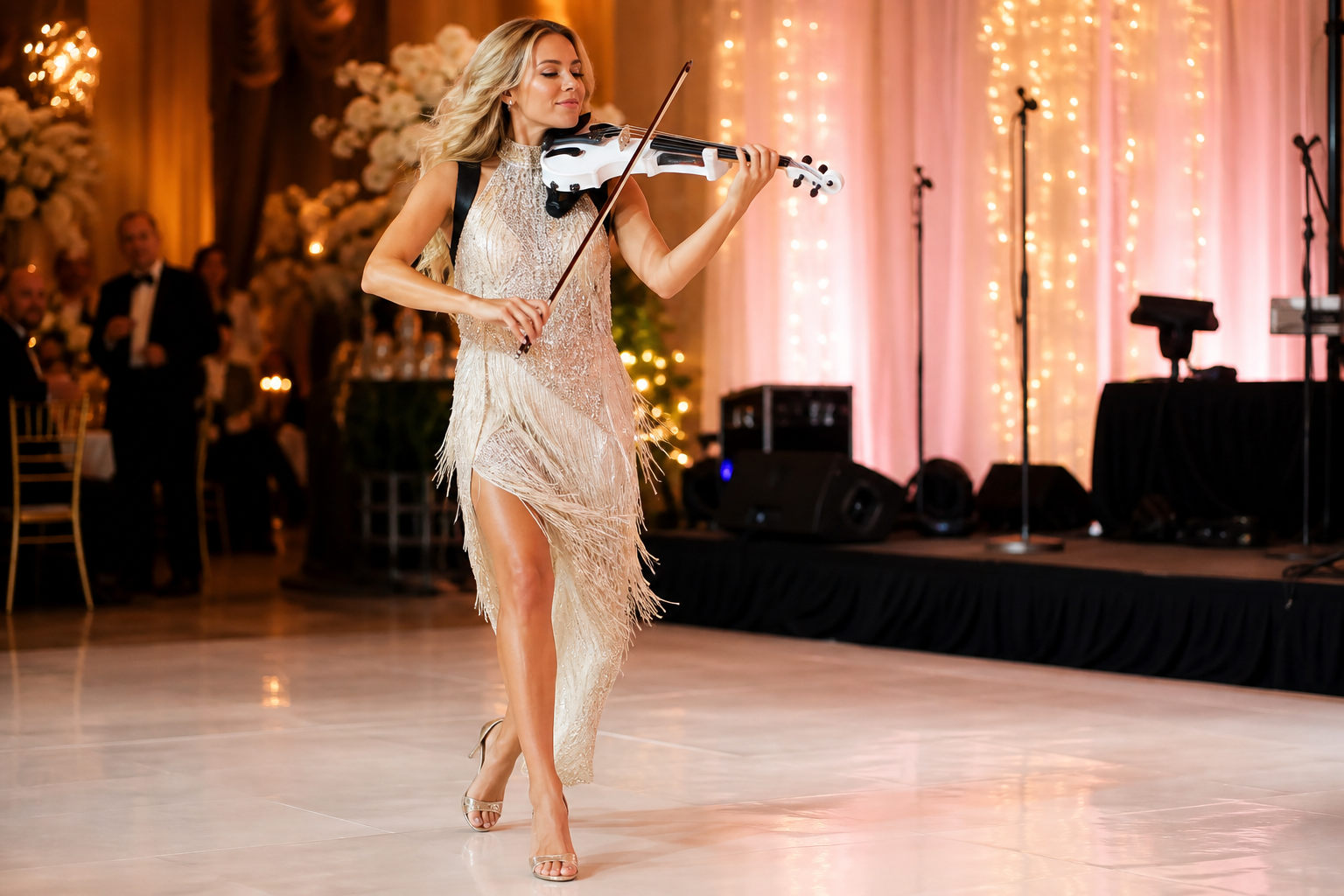
When is the Ernie Ball Comfort PolyLock the smarter no-mod answer?
The Ernie Ball Comfort PolyLock is the better answer when you want more comfort and secure attachment but do not want to swap screws or add separate locking hardware. Ernie Ball positions the PolyLock ends as a fast secure connection that works with existing strap buttons, and the neoprene comfort versions come in 2 inch and 3 inch widths with a 46 to 52 inch adjustment range. That makes it the cleaner recommendation for players who want a safer strap right away without committing the instrument to a more permanent locking ecosystem.
- Pros: secure without modification, softer shoulder feel, and a fast upgrade path for standard strap-button rigs.
- Cons: less mechanically committed than a fully installed quick-release system and slightly bulkier than thin straps.
Which wide comfort straps help most on longer sets?
This is where the buying logic shifts from pure security to endurance. Tanya Strings thinks about these straps the same way she thinks about stage seats or monitoring: when the set gets longer, small comfort gains stop being cosmetic.
Should you buy Levy's Comfort Series or the Neotech Mega Strap?
Buy the Levy's Comfort Series if you want a familiar padded neoprene strap that still feels visually tidy on stage. Levy's says the PM48NP2 uses a neoprene-wrapped body with center stretch fabric and adjusts to 58 inches. Buy the Neotech Mega Strap when shoulder relief is the headline priority. Neotech builds it from neoprene, elastic, and two layers of memory foam, offers four size ranges, and recommends it for loads up to 25 pounds. I would read that as two different performer personalities: Levy's for cleaner everyday comfort, Neotech for players who already know they want more cushion and bounce through long hours.
- Levy's pros: clean padded feel, generous length, and simpler visual footprint.
- Levy's cons: conventional strap logic, so security may still depend on extra lock hardware.
- Neotech pros: more cushioning, multiple sizes, and stronger comfort logic for longer wear.
- Neotech cons: bulkier profile and less reason to buy it if your violin already sits comfortably on a slimmer strap.
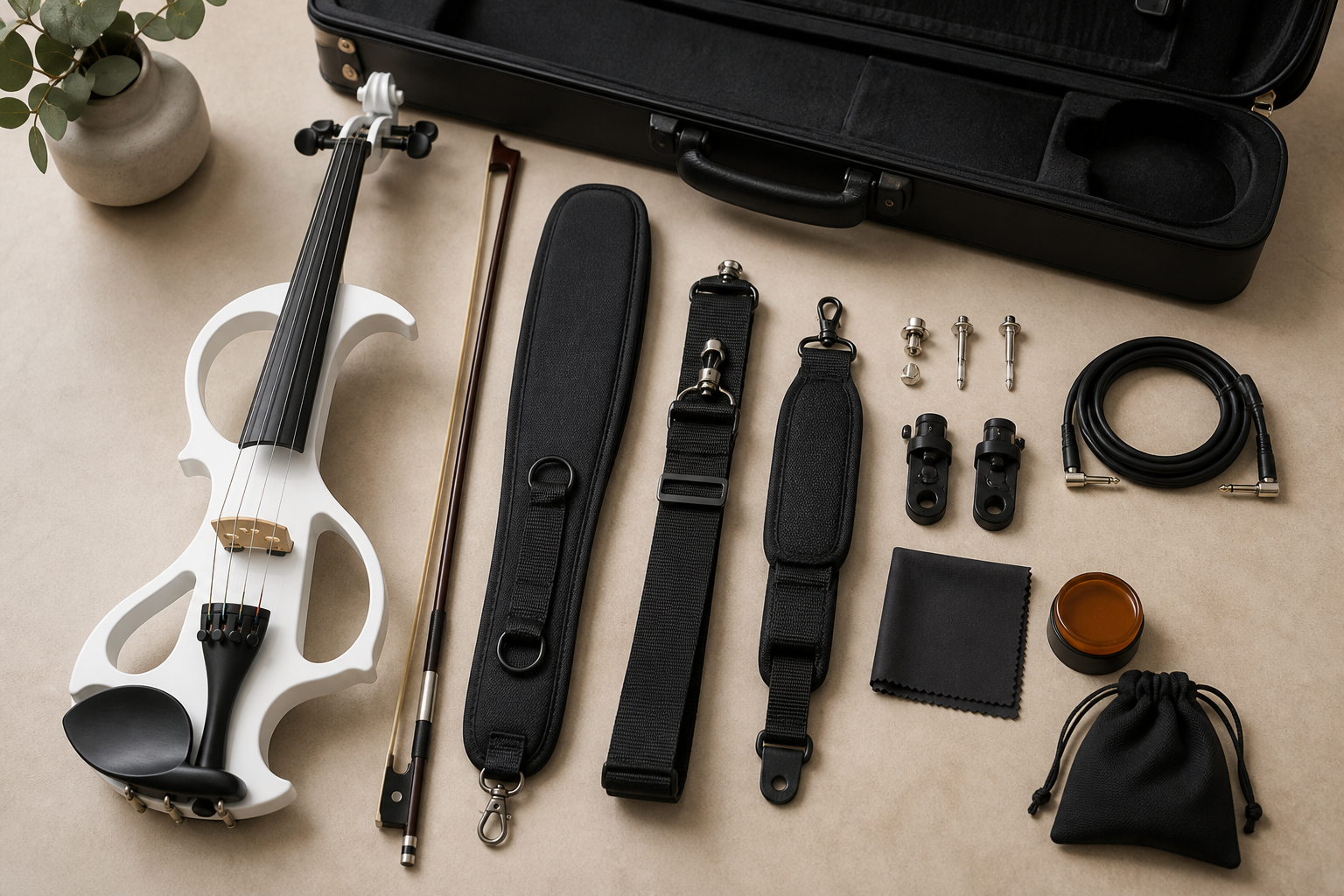
Is the Wood Viper factory strap still the right choice for Viper players?
Yes, if you already play a Wood Viper and the goal is not experimentation but a clean reliable replacement. Wood Violins sells the Viper Violin Strap Black as the replacement Viper strap, and Wood's current Viper product pages still position the instrument as a self-supporting design with its own included strap workflow. That matters because Tanya Strings does not like forcing generic solutions onto a platform that was already engineered around a specific body-balance concept.
- Pros: correct match for Viper owners, clean replacement path, and no guesswork about compatibility.
- Cons: not universal, and it does not solve comfort issues that really come from the rest of the instrument fit.
Do you still need a separate strap lock system?
If the strap already uses a real locking architecture, maybe not. If it does not, I still like adding one. The Jim Dunlop Straplok Dual Design exists for exactly this reason. Dunlop says the Dual Design version uses wide-flanged strap buttons so you can still use it like a regular strap button in a pinch, while the full Straplok system remains the industry standard it has kept in place for more than 30 years. On electric violin, this becomes even more important when the cable path sits close to the strap line. That is also why I think about the strap together with instrument-cable routing and whether the show is wired or wireless.
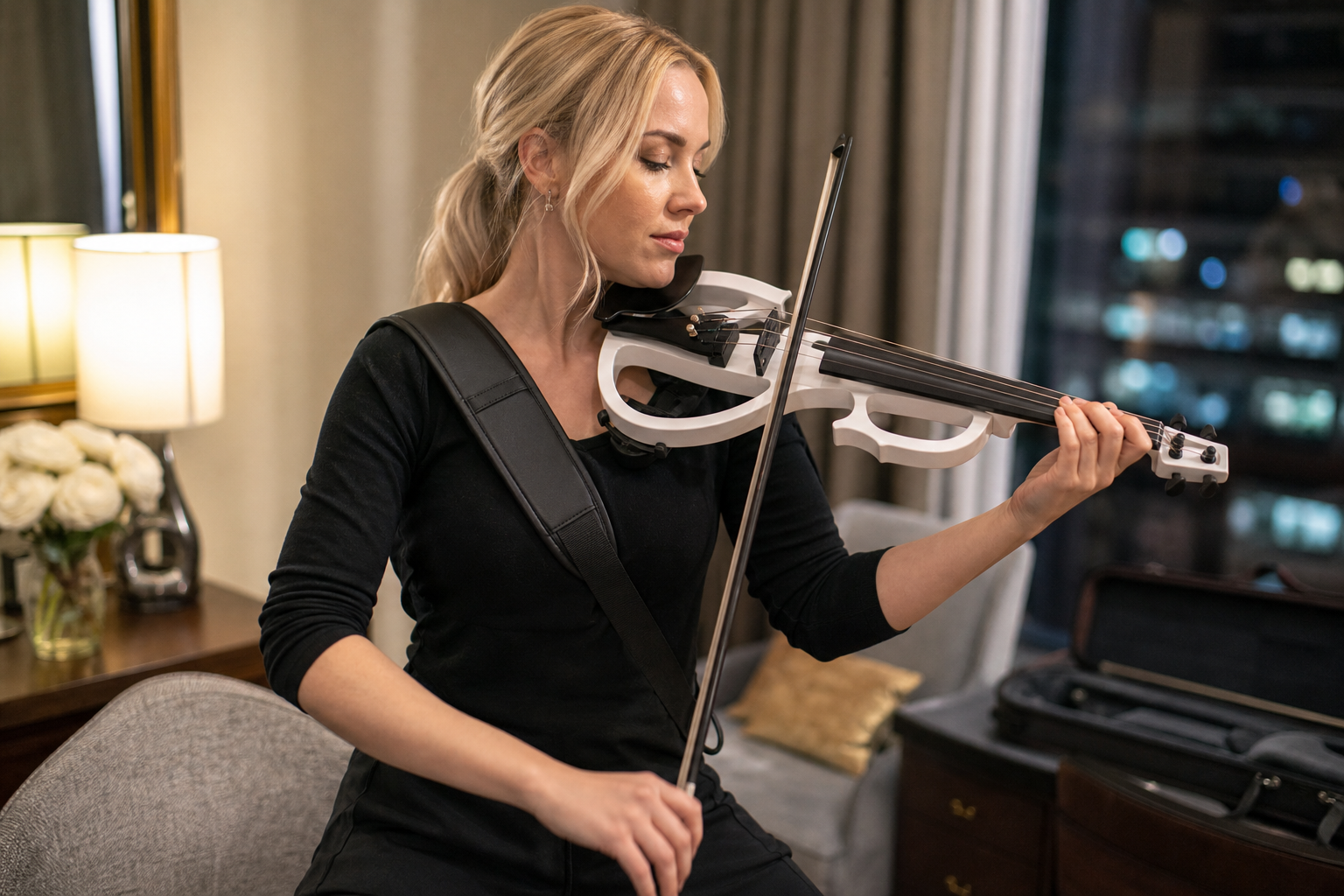
How should electric violinists choose a strap setup for stage movement?
Buy around the real motion of the show, not the marketing language of the strap. Tanya Strings wants the rig to feel predictable during entrances, turns, and long standing sets, not only when trying it at home for two minutes.
My buying checklist:
- Confirm the instrument type: this guide fits self-supporting or strap-button electric violins, not standard chin-held setups.
- Choose security first: if the attachment point is weak, comfort upgrades come second.
- Match width to load and duration: slimmer straps feel cleaner, but wider padded straps win longer sets.
- Check the adjustment range: costumes, body height, and where the violin sits all change the right length.
- Think about the cable path: the strap should help the instrument sit cleanly, not fight the output jack.
- Respect visual profile: the right strap should disappear into the performance instead of looking like borrowed guitar gear.
What mistakes make a strap rig feel worse on stage?
Most bad strap setups fail because the player bought one piece in isolation and hoped the rest of the system would sort itself out.
- Using a standard strap with no security plan: one fast turn or cable tug is enough to expose that mistake.
- Buying padding before fixing balance: a softer strap does not cure a violin that already hangs wrong.
- Ignoring the difference between chin-held and self-supporting instruments: these are not the same ergonomic problem.
- Choosing the slimmest possible strap for a long booking day: what looks sleek can feel punishing by set two.
- Letting the cable cross the strap line badly: even a secure strap becomes annoying when the cable keeps pulling the same point.
- Forgetting replacement discipline: worn ends, tired elastic, and loose hardware do not belong on a professional stage rig.
FAQ
What is the best overall strap for a self-supporting electric violin on stage?
For most active performers, I would start with the DiMarzio Elastic ClipLock because it balances locking security, stage-ready adjustability, and a little stretch that helps the violin move with the body instead of fighting it.
Do I need a different guide if my electric violin is still chin-held?
Yes. A chin-held electric violin usually needs a better shoulder-rest and chin-rest fit first. This article is for instruments designed to live from a strap or self-supporting hardware.
Is a padded strap always better for electric violin?
No. Padding helps when the load is higher or the set is longer, but a slimmer locking strap can still be the cleaner performer choice when balance is already right and you want more agility.
Should I still add a strap lock if my strap feels secure?
If the strap does not already use a true locking system, yes. Stage movement, costume changes, and cable snags are exactly when a strap that seemed fine in rehearsal starts to feel risky.