Stage Troubleshooting · 2026-08-31
Best Cable Testers and Line Testers for Electric Violinists Who Run Their Own Stage Rigs
For most electric violinists, the best first buy is the Behringer CT100 because it is small, affordable, and checks the XLR, quarter-inch, mini, RCA, and MIDI cables that fail most often during real load-ins. If you also troubleshoot installed stage lines, venue wall panels, or long snakes, the dbx CT-3 is the smarter upgrade because its sender and receiver split makes longer paths easier to isolate. If you need to inject or monitor signal anywhere in the chain, the Whirlwind Qbox is the pro move. For XLR-first emergency kits, the SoundTools XLR Sniffer/Sender is still one of the fastest grab-and-check tools.
Follow Tanya Strings on Google
Add the site as a preferred source to see more new violin posts from Tanya Strings in Google.
Some links in this article are affiliate links. I may earn a commission if you make a purchase, at no extra cost to you.
What is the best overall cable tester for most electric violinists?
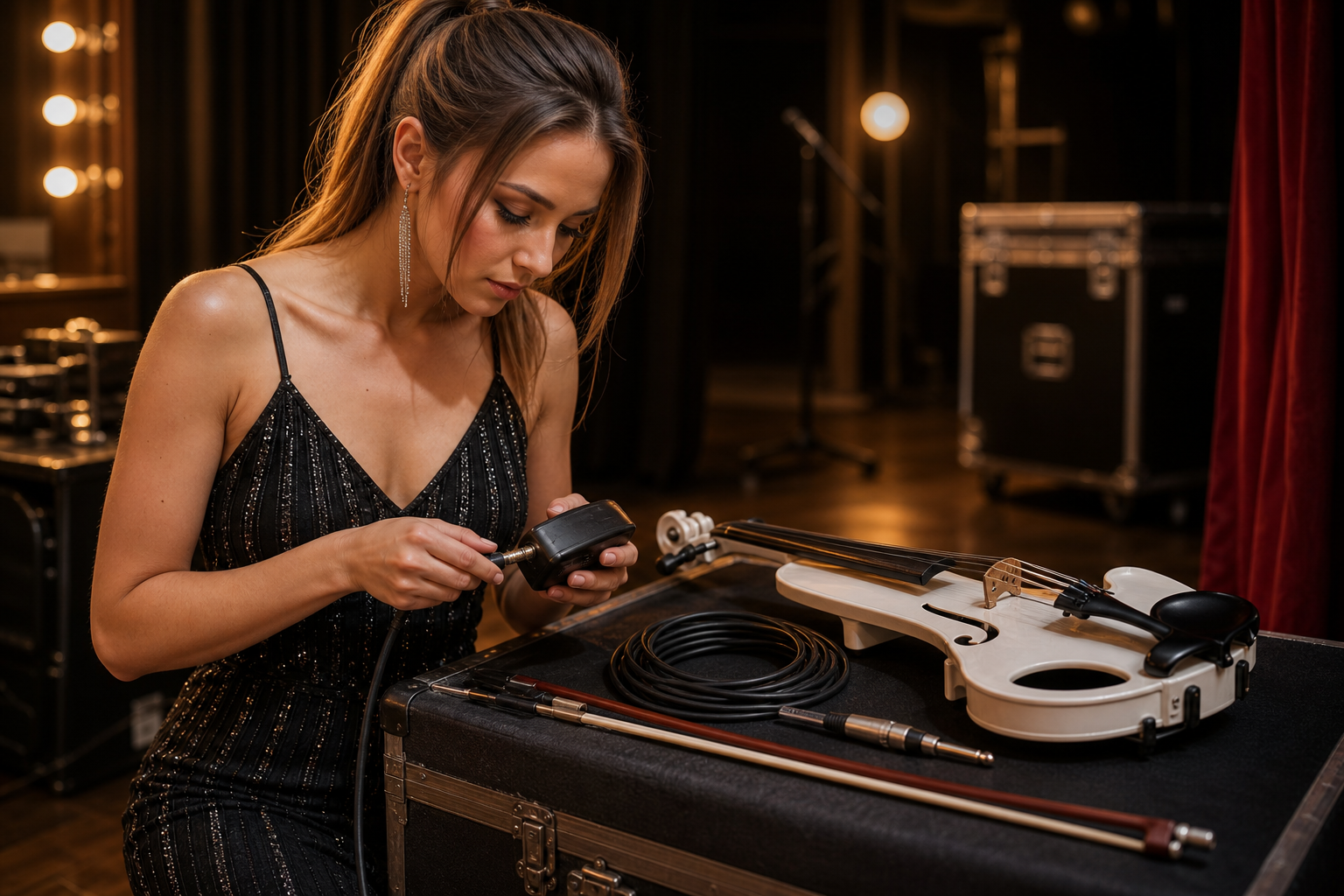
The safest overall answer is the Behringer CT100. Behringer says it accepts XLR, mono and TRS phone in quarter-inch, one-eighth-inch, and TT formats, plus RCA and MIDI, and it offers Cable Test, Installed Cable Tester, and Tone modes. It also checks continuity, intermittency, phantom power, and grounded shields while running on two AA batteries. That is exactly the kind of small, useful coverage Tanya Strings wants in a real performance bag. If the problem is a silent violin, a dead backup track adapter, or one suspicious DI line five minutes before downbeat, the CT100 covers more of the likely failures than most performers need on day one.
My performer rule: if the fix depends on guessing, the kit is missing a tester.
Which cable testers and line testers are worth buying right now?
I kept this list focused on working electric violin reality: compact cases, mixed cable types, self-run event rigs, and the difference between checking a cable on the bench and proving a whole signal path on location.
| Product | Best for | Why Tanya would use it | Watch out for | Links |
|---|---|---|---|---|
| Behringer CT100 | Best overall first buy for most gig bags | I trust it because it covers the cable types I see most in violin, playback, and creator rigs without asking for a big budget or a huge case footprint. | It is a broad basic tool, not the most advanced option for permanently installed lines. | Official · Amazon |
| dbx CT-2 | Mixed-cable kits that still want a simple bench-style tester | I would buy it when the rig uses XLR, quarter-inch, DMX, BNC, or speaker cables and I want a tougher shop-and-case tester than the smallest pocket tools. | It does not split into sender and receiver halves, so installed cable work is less flexible than on the CT-3. | Official · Amazon |
| dbx CT-3 | Installed stage lines, longer runs, and more advanced troubleshooting | I like it because the sender and receiver split turns it into a more realistic venue tool when the problem might live in a wall panel, stage box, or longer cable path. | It costs more, uses two 9V batteries, and is more tool than many small violin rigs need every weekend. | Official · Amazon |
| Sescom SES-CT1 | Players who want broad connector coverage in one heavy-duty box | I would use it when the bag touches SpeakON, CAT5, mini TRS, quarter-inch, and XLR in one week and I want a clear metal-box tester with ground checking. | It is bigger and heavier than pocket options, so it suits road-case kits better than tiny shoulder-bag rigs. | Official · Amazon |
| Whirlwind Qbox | Signal-path diagnosis, line injection, and stage-side confidence checks | I reach for it when I need to know whether the problem is actually the cable, the stage line, the monitor send, or the channel path after the cable. | It is not a pure continuity-first cable tester, so buy it as a line problem-solver, not as a cheaper substitute for every other tester. | Official · Amazon |
| SoundTools XLR Sniffer/Sender | XLR-first emergency kits and fast line confirmation | I like it for fast XLR checks because it is purpose-built, phantom-power aware, and easy to keep close when the show leans hard on balanced lines. | It is much narrower than the other picks here, so it works best as a specialist tool or as part of a bigger kit. | Official · Amazon |
Why is the Behringer CT100 the best first buy?
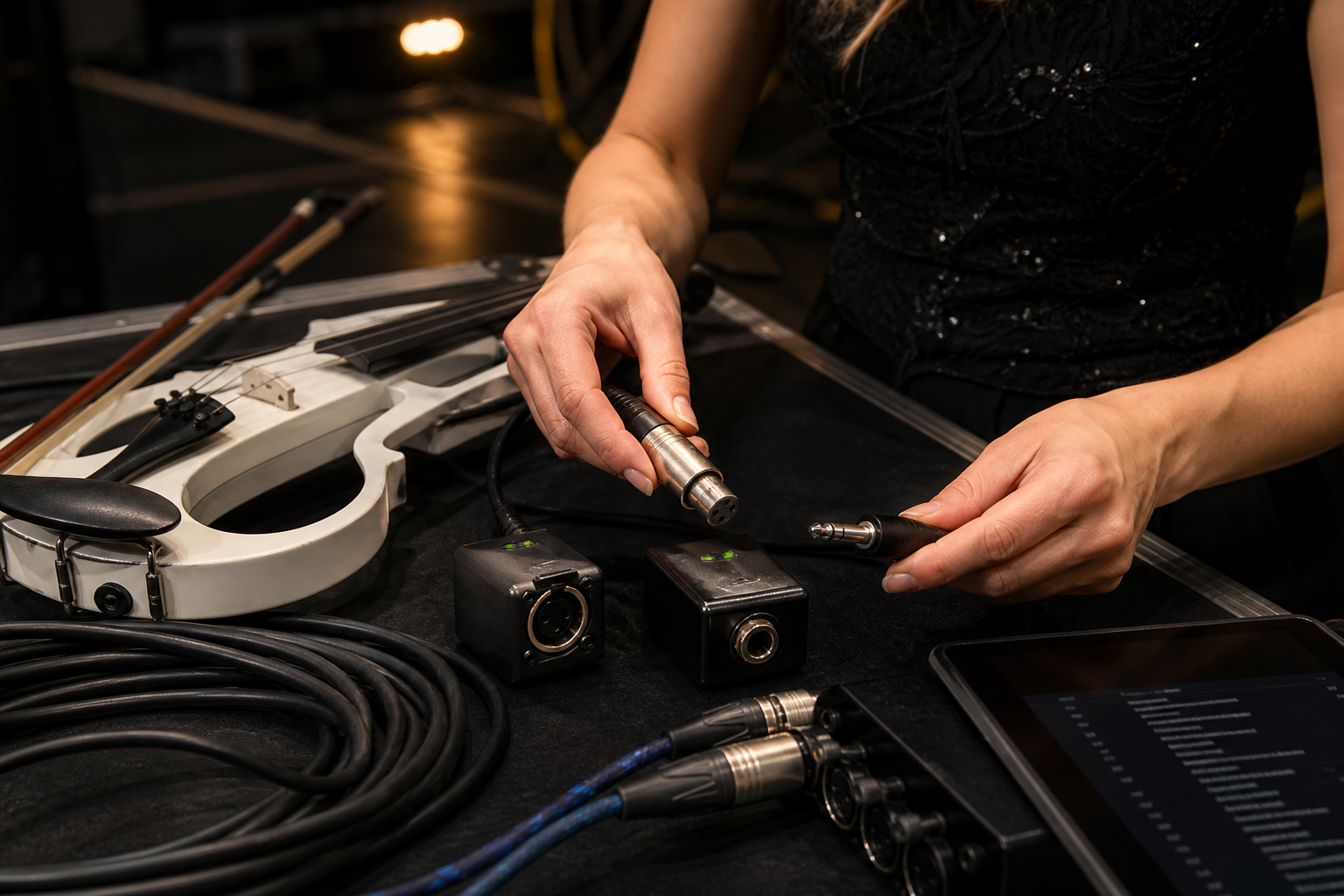
The CT100 wins because it covers the messy middle of real electric violin work. Tanya Strings is often moving between instrument cable, DI path, mini playback adapters, and a few XLR lines in the same day. Behringer gives the CT100 wide connector support, a tone mode, installed-cable mode, and checks for phantom power and grounded shields, all in a pocket-size tool that runs on AA batteries. That combination matters more to me than owning the most technical tester in the world. I want the first buy to live in the case, not in a drawer.
Who should start with the CT100 before spending more?
Buy it first if you are building a serious self-run live rig but still want one inexpensive tool that can solve most failures before the room notices. It fits especially well with my guides to instrument cables and DI and acoustic preamp paths, because those are the lines I need to trust first.
- Pros: broad connector coverage, useful stage modes, phantom-power awareness, and a small footprint.
- Cons: less specialized for installed venue runs than the dbx CT-3 and less signal-path capable than the Qbox.
When is the dbx CT-3 a better upgrade than a pocket tester?
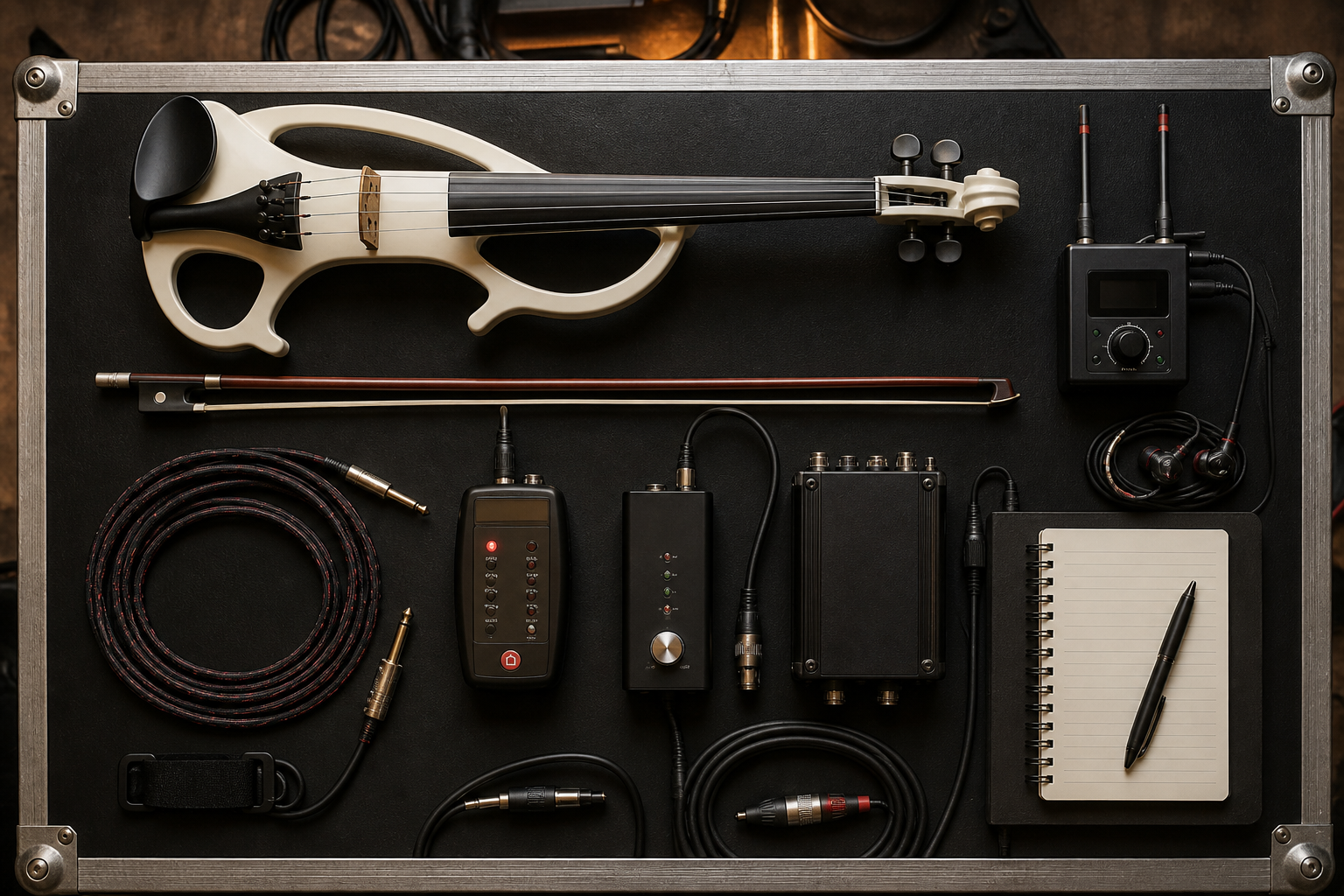
The dbx CT-3 becomes the smarter buy when the problem is no longer just a loose cable in your own bag. dbx says the CT-3 tests up to 8-pin cables, offers a two-piece sender and receiver chassis for testing installed or long cables, includes a test tone generator, and handles connectors such as RJ45, RJ11, MIDI, Speaker Twist, XLR, RCA, BNC, DIN, TRS, TS, DMX, and banana. That is useful when you are dealing with venue infrastructure, stage boxes, or content setups where the cable run itself disappears into walls, risers, or rack drawers.
Should you buy the CT-2 instead if you want something simpler?
Yes, if you want the same general dbx logic without paying for the split sender and receiver format. The CT-2 still covers a large connector set, cross-connector testing, a six-position rotary selector, and a battery check. I see it as the middle ground between the CT100 and CT-3: bigger and more utility-minded than a pocket tester, but less venue-oriented than the CT-3.
- CT-3 pros: installed-line flexibility, long-run logic, tone generator, and broad connector support.
- CT-3 cons: more bulk, more cost, and more tool than many smaller violin jobs need.
- CT-2 pros: wide mixed-cable support, simpler operation, and a cleaner price step.
- CT-2 cons: no split sender and receiver layout for installed-line work.
Do you need a line tester like the Whirlwind Qbox or just a cable tester?
If the question is only "is this cable broken?", a cable tester is enough. If the question is "where does the signal stop?", the Whirlwind Qbox becomes much more valuable. Whirlwind describes it as an all-in-one audio line tester with a built-in microphone, speaker, test tone generator, headphone output, line in or 2k ohm earpiece out, phantom or intercom LED confirmation, and a single 9V battery power supply. Tanya Strings values that because one silent stage moment can come from a mixer return, a bad wall line, an in-ear feed, or an adapter after the cable you already tested. The Qbox lets me prove more of the system without asking the room for patience.
If your rig already depends on self-run monitors, in-ear monitoring, or problem venues with questionable power and routing, the Qbox starts making real sense quickly.
- Pros: signal injection, signal monitoring, mic and tone source options, and stronger full-path diagnosis.
- Cons: not the smallest tool, and it should complement a cable tester rather than replace one.
Which compact testers make the most sense for XLR-first or mixed-cable kits?
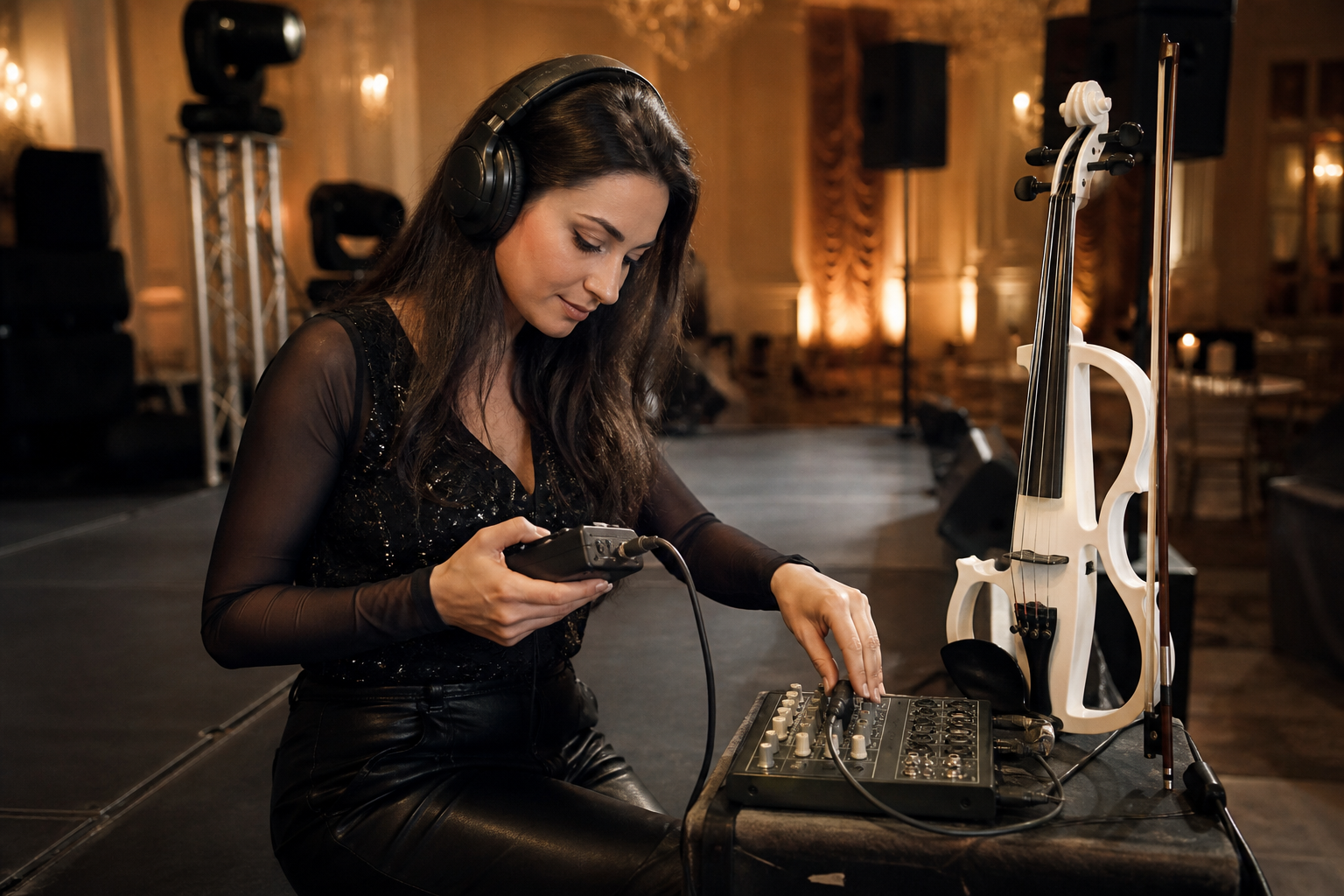
This is where the shortlist depends on what your electric violin week actually looks like. The Sescom SES-CT1 makes sense when you want nine-in-one coverage, a metal box, ground checking, and support for SpeakON, CAT5, mini TRS, quarter-inch, RCA, DIN, and three-pin or five-pin XLR. The SoundTools XLR Sniffer/Sender makes more sense when the whole point is speed on balanced lines. SoundTools says its cable tester line uses a 12V A23 battery and can also use phantom power from a mixing console on the Sniffer end, which is exactly the kind of stage-aware detail I respect in a fast rescue tool.
When would Tanya pick the SoundTools over the Sescom?
I would pick the SoundTools when the show is XLR-heavy and I want something extremely fast for balanced-line confirmation. I would pick the Sescom when the bag is more mixed and the week might include wireless rack patches, adapter chains, powered speaker runs, and creator gear that is not purely XLR. The SoundTools is the specialist. The Sescom is the broader utility box.
- Sescom pros: very broad connector support, clear ground checking, heavy-duty metal build, and included test probes.
- Sescom cons: larger size and less reason to carry it in the smallest shoulder-bag rigs.
- SoundTools pros: very fast XLR checks, phantom-power awareness, and easy specialist value.
- SoundTools cons: narrow use case compared with the more general testers in this guide.
What should electric violinists look for before buying a cable tester?
Buy for the failures you actually face, not for the biggest feature list on paper. Tanya Strings wants the tester to help on live jobs, creator shoots, and rehearsal rooms without becoming one more object that stays at home.
My buying checklist:
- Match the connector set to your real rig: quarter-inch, XLR, mini TRS, and adapter-heavy paths matter more than exotic formats you never touch.
- Separate cable testing from line testing: continuity tools and signal-path tools solve different problems.
- Think about venue work: if you test installed lines often, a split sender and receiver design matters.
- Respect size and battery discipline: the best tester is the one that stays charged and actually lives in the case.
- Cover the creator side too: if your violin content workflow includes tablets, interfaces, or mini adapters, buy for those weak links as well.
- Do not skip the cable foundation: a tester helps most when it supports already solid choices in patch cables, power, and DI routing.
What mistakes waste the most time at soundcheck?
The usual mistakes are not glamorous. They are small decisions that leave the performer blind once the signal disappears.
- Testing only one cable type: many electric violin rigs fail at the adapter or playback link, not at the main instrument cable.
- Buying a line tester before owning a basic cable tester: the advanced tool should not replace the simple one.
- Leaving the tester at home: a smart purchase that lives in a drawer is still a bad stage system.
- Ignoring battery maintenance: dead tools love arriving on the same day as dead cables.
- Assuming the venue line is fine because your own cable passed: that is exactly when the Qbox or CT-3 class of tool earns its place.
- Trying to debug everything under pressure with no process: test the cable, then the line, then the device input, in that order.
FAQ
What is the best overall cable tester for most electric violinists?
For most players, I would start with the Behringer CT100 because it gives the best mix of price, size, and connector coverage for real violin gig bags.
When is a line tester more useful than a cable tester?
A line tester becomes more useful when you need to confirm the full path through a stage line, mixer channel, monitor send, or installed venue cable rather than only the cable in your hand.
Should electric violinists buy the dbx CT-2 or CT-3?
Buy the CT-2 if you want a strong mixed-cable tester for the case or bench. Buy the CT-3 if you also work with installed lines and want the extra flexibility of the split sender and receiver layout.
Is an XLR-only tester enough for most electric violin rigs?
Usually no. Many rigs still rely on quarter-inch cables, mini adapters, and mixed playback links, so a broader tester is often the better first buy unless the kit is already heavily standardized around XLR.