Effects · 2026-08-13
Best Octave and Pitch Pedals for Electric Violinists Who Want a Bigger Live Sound
For most electric violinists who want a bigger live sound from one compact pedal, the best first buy is the BOSS OC-5 because it gives you clean polyphonic octave-down support, useful octave-up color, a direct out, and more predictable tracking than older-school octave boxes. Buy the Electro-Harmonix Pico POG if you want the fastest easy blend for solo shows, choose the DigiTech Whammy Ricochet for dramatic pitch jumps, and look at MXR Poly Blue Octave or BOSS PS-6 when your set needs more texture or harmony movement. Tanya Strings treats these pedals as stage-expanders, not gimmicks.
Follow Tanya Strings on Google
Add the site as a preferred source to see more new violin posts from Tanya Strings in Google.
Some links in this article are affiliate links. I may earn a commission if you make a purchase, at no extra cost to you.

What is the best first octave or pitch pedal for most electric violinists?
For most working performers, I would start with the BOSS OC-5. BOSS positions it as an octave pedal with improved tracking, Vintage and Poly modes, octave-up support, a range control, and a direct out for wet and dry routing. That combination makes practical sense for electric violin because the real goal is not only novelty. Tanya Strings wants one pedal that can thicken a solo line, support a duo arrangement, and still behave predictably when the stage gets rushed. The OC-5 covers that wider live job better than most single-purpose pedals in this category.
My performer rule: if the pedal makes the first chorus feel bigger but the verse feel blurry, the mix is wrong even if the effect sounds impressive in isolation.
Which octave and pitch pedals are worth buying right now?
This shortlist stays focused on real electric violin stage work: pedals that help a solo or duo rig sound wider, heavier, or more dramatic without forcing a full synth redesign.
| Product | Best for | Why Tanya would use it | Watch out for | Links |
|---|---|---|---|---|
| BOSS OC-5 | Most electric violinists who want the safest all-around octave buy | I trust it because it covers clean modern poly tracking, faux bass support, octave-up color, and easier routing in one disciplined pedal. | It still needs careful mix control, especially if your rig already runs a lot of low-mid energy. | Official · Amazon |
| Electro-Harmonix Pico POG | Players who want the easiest fast-tracking compact octave blend for solo and duo sets | I like it when I want a small pedal with quick sub, up, and dry control that immediately makes the violin rig feel wider. | It is intentionally simple, so buy it for quick success rather than for deep scene-building complexity. | Official · Amazon |
| DigiTech Whammy Ricochet | Performers who want pitch jumps, latching rises, and dramatic transitions without an expression treadle | I would use it when the show wants obvious motion: build lifts, drop effects, and modern hook moments that feel more like production than simple thickening. | This is a special-effect buy, not the calmest first pedal for players who mainly need subtle support. | Official · Amazon |
| MXR Poly Blue Octave | Creative rigs that want multiple octave layers, fuzz texture, and synth-like expansion | I would move here when the violin role is more cinematic, more electronic, or more experimental than a standard clean live part. | It can get big very fast, so undisciplined settings will bury bow articulation and pitch center. | Official · Amazon |
| BOSS PS-6 Harmonist | Players who want harmony intervals, detune width, or expression-controlled pitch movement | I respect it when the set needs smarter harmony or pitch travel beyond basic octave layering. | It rewards intentional programming, so it is less plug-and-play than a straightforward octave mixer. | Official · Amazon |
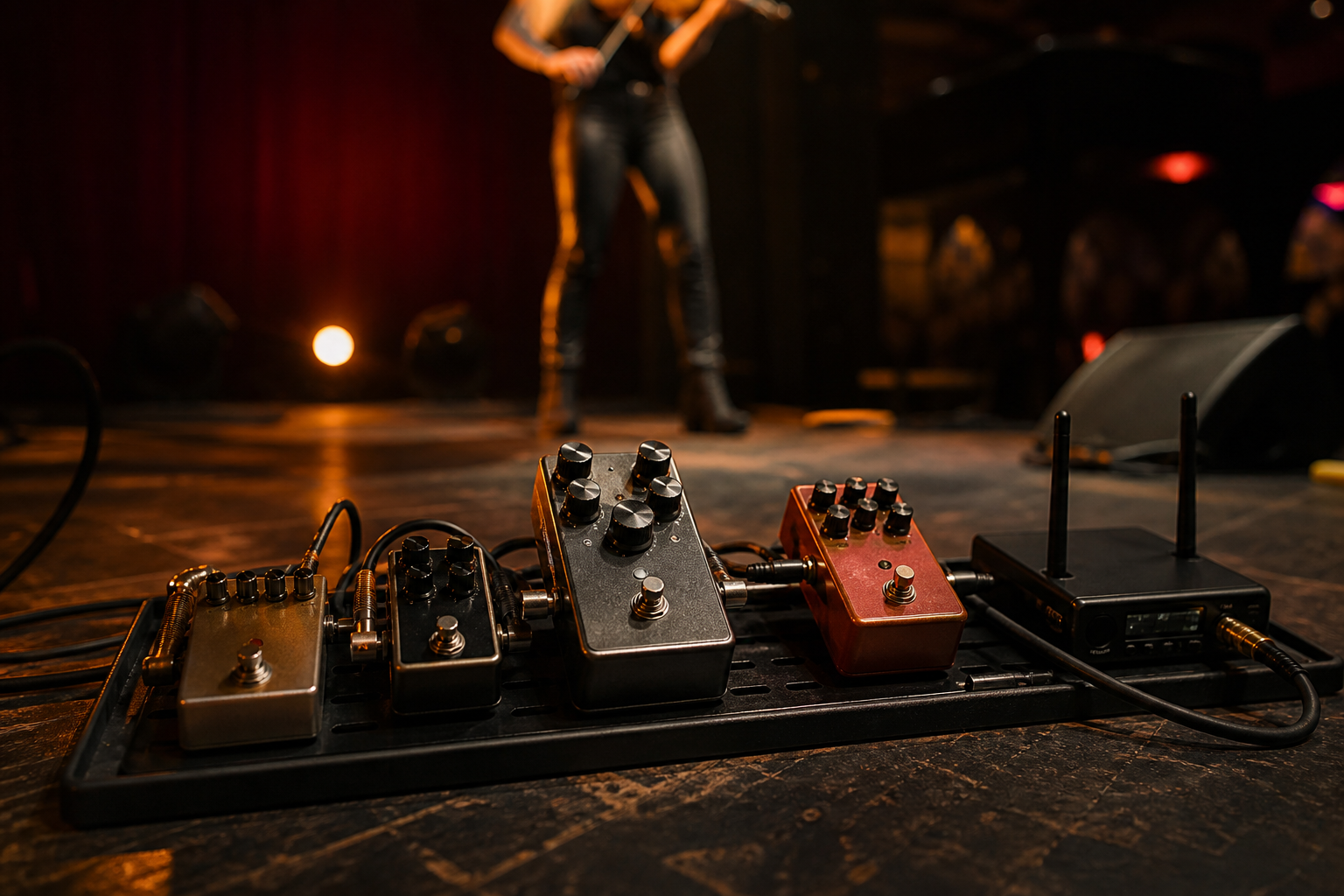
Why is BOSS OC-5 my best overall pick?
Because it solves the broadest real live problem with the least drama. BOSS says the OC-5 combines a new tracking engine, Vintage mode, Poly mode, an octave-up effect, and a direct out. For Tanya Strings, that matters more than mythology around one famous sound. One night I want a cleaner faux bass layer below a loop. Another night I want to keep the lower octave only on the bottom note while the rest of the violin line stays readable. The OC-5 sits in that practical middle where the pedal sounds musical but still behaves like stage equipment, not like a science project.
When would I buy it before every other option?
I would buy it first when the gig asks for size, not weirdness. That means solo weddings, duo lounge sets, pop violin hooks, and content performances where the violin needs help sounding fuller without losing clarity.
- Pros: strong tracking, useful poly control, octave-up support, direct out, and very believable all-around live value.
- Cons: less instantly colorful than the more extreme pedals and still easy to overuse if you do not manage the blend.
See the BOSS OC-5 · Find OC-5 options on Amazon
When should you buy Electro-Harmonix Pico POG instead?
The Electro-Harmonix Pico POG is the smarter buy when speed and simplicity matter more than routing flexibility. EHX describes it as a compact polyphonic octave generator with lightning-fast tracking, separate dry, sub, and octave-up controls, plus a tone section with three filter modes. That makes sense to Tanya Strings because small solo and duo rigs do not always need extra decisions. Sometimes I just want to widen the sound, add a little low support, and move on to the actual performance. Pico POG is one of the fastest ways to get there.
Who is Pico POG best for?
It is best for players who want a compact pedalboard, quick soundcheck results, and a pedal that feels musical within a few seconds instead of after a long reset of the whole chain.
- Pros: fast tracking, small footprint, immediate blend control, and easy success for compact live rigs.
- Cons: less routing depth than the OC-5 and less theatrical pitch behavior than the more effect-heavy options.
See the Pico POG · Find Pico POG options on Amazon

Who should choose DigiTech Whammy Ricochet or BOSS PS-6?
Choose the DigiTech Whammy Ricochet when the set depends on obvious pitch movement. DigiTech describes it around momentary or latched pitch shifts, seven pitch selections, and adjustable rise and fall behavior. Tanya Strings would use that when I want a drop, launch, or hook that feels produced rather than simply fuller. It is a show move.
- Ricochet pros: strong pitch drama, no expression treadle required, and very useful for modern live transitions.
- Ricochet cons: narrower use case if your real goal is simply to make the violin sound thicker and wider.
See the Whammy Ricochet · Find Whammy Ricochet options on Amazon
When is BOSS PS-6 the better musical choice?
The BOSS PS-6 makes more sense when you want interval harmony, detune width, or expression-controlled movement that can live inside a more arranged set. BOSS describes it with harmony, pitch shifting, detune, and wide-range bend options. I would choose it when the violin needs to carry more than one role inside the arrangement, especially if I am already using an expression pedal or a more coordinated effects workflow.
- PS-6 pros: harmony depth, detune width, expression compatibility, and stronger arranging flexibility than a plain octave pedal.
- PS-6 cons: steeper setup logic and less immediate success if you only want one simple sub-octave sound.
See the BOSS PS-6 · Find PS-6 options on Amazon
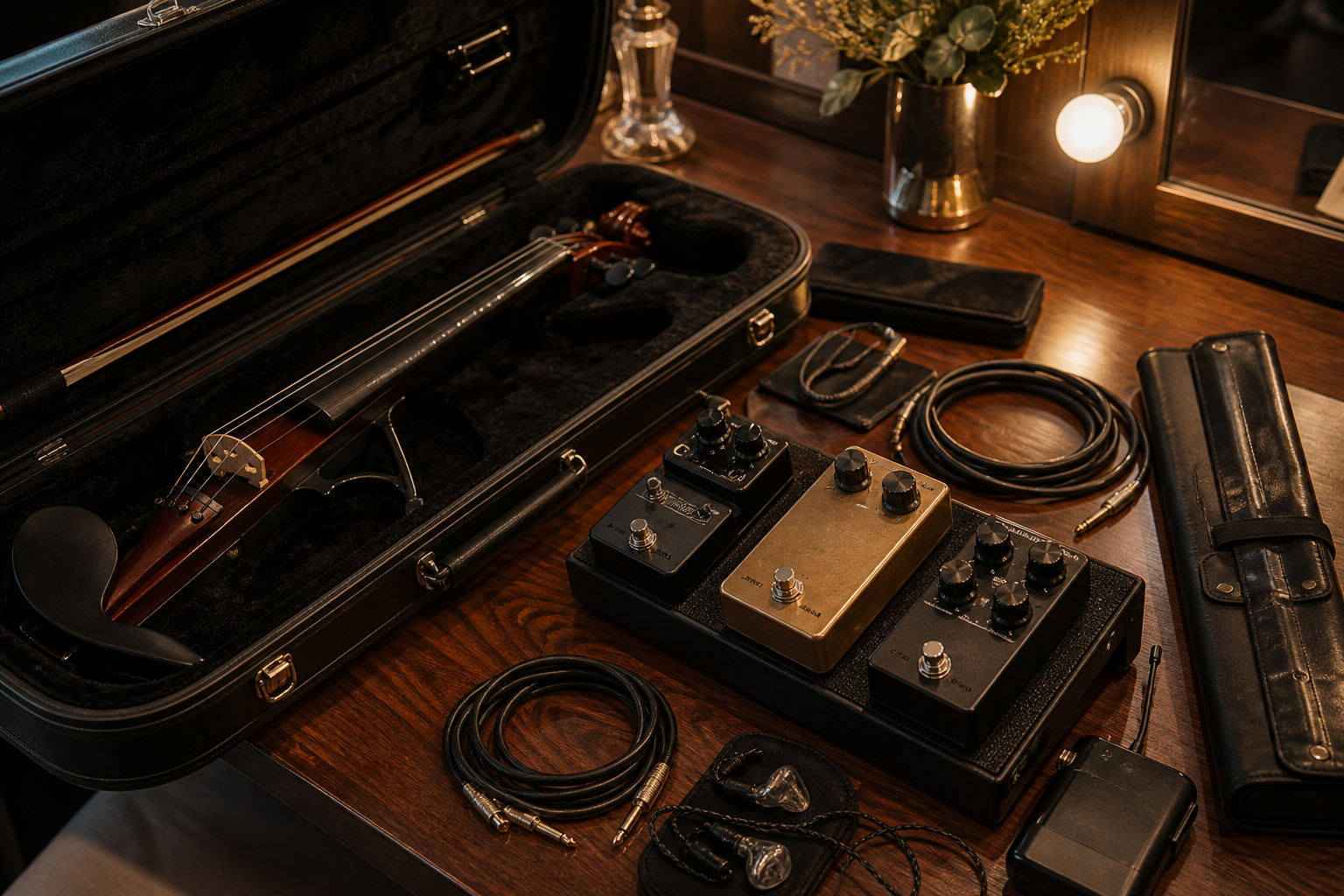
When is MXR Poly Blue Octave the creative premium move?
The MXR Poly Blue Octave is the creative premium move when the violin rig needs to sound more electronic, more cinematic, or more obviously produced. MXR says it combines four octave divisions with fuzz and modulation, and that is exactly why Tanya Strings would not treat it like a basic utility buy. I would choose it when the violin is carrying modern crossover lines, layered content hooks, or aggressive solo textures that need more than a polite sub-octave helper.
Who should skip it for now?
Skip it if your bigger problems are still basic things like cable noise, clean direct tone, or stable monitoring. This pedal pays off after the fundamentals already work.
- Pros: huge range, multiple octave layers, more synth-like character, and strong value for ambitious crossover rigs.
- Cons: easier to overbuild, easier to muddy the violin, and less appropriate for conservative clean-stage jobs.
See the MXR Poly Blue Octave · Find Poly Blue Octave options on Amazon
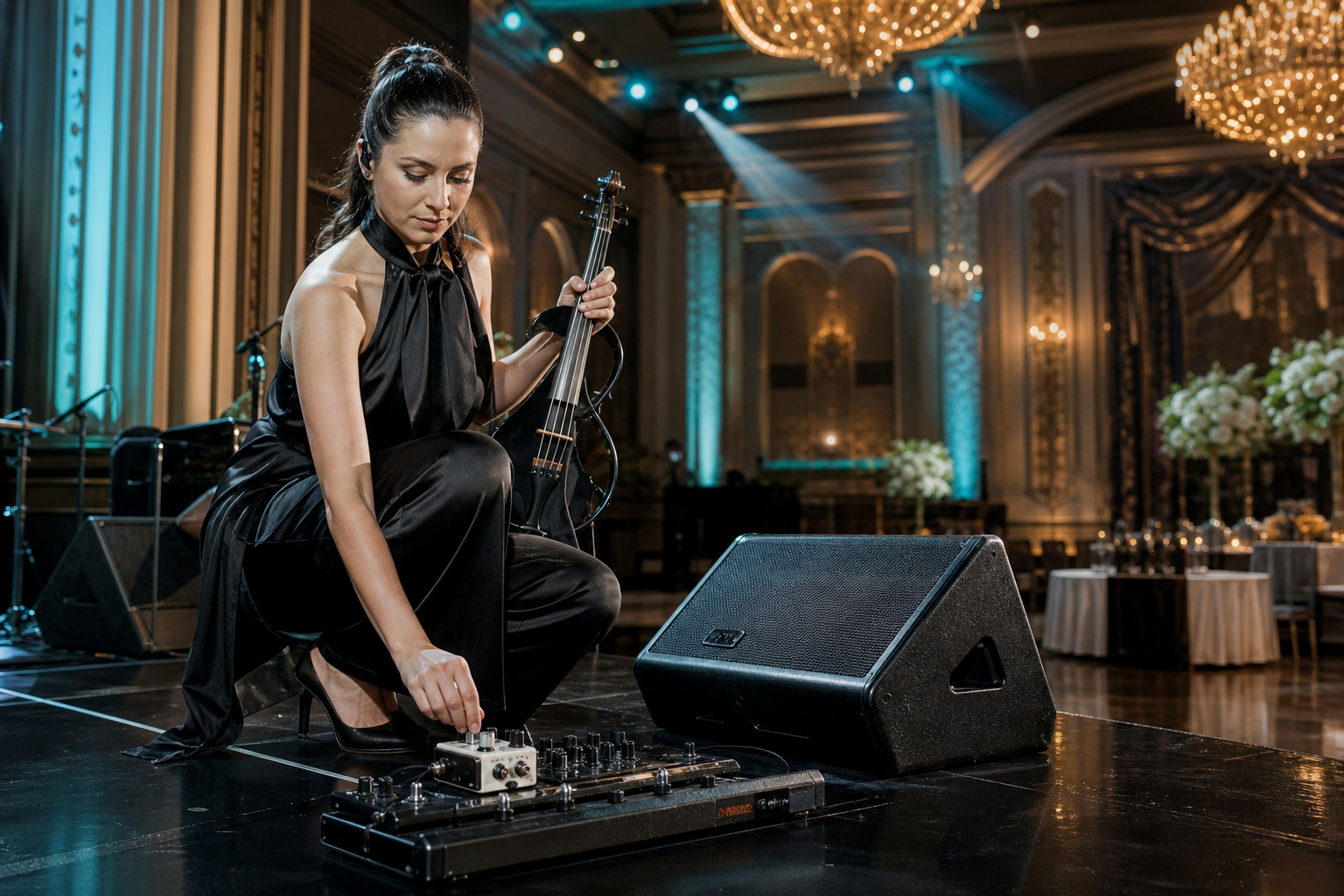
How should electric violinists choose an octave or pitch pedal?
Choose by musical job first, then by pedal personality. Tanya Strings does not buy this category to impress other gear people. I buy it to make a solo line feel larger, a duo feel fuller, or a transition feel more dramatic without breaking the rig.
My buying checklist:
- Decide whether the real goal is low-end support, octave-up shimmer, harmony, or dramatic pitch movement.
- Test the effect at real stage volume, not only alone in headphones, because too much sub-octave can cloud the whole mix.
- Check whether the pedal needs room beside your switching workflow or multi-effects unit.
- Keep one safe preset or knob position that you can trust during the first song of a rushed soundcheck.
- Carry one clean bypass fallback plan, because a bigger sound is only useful if it is still repeatable.
My buying order: first stabilize the direct tone, then add one octave or pitch tool that solves one clear musical problem, and only later build a bigger layered effects concept around it.
FAQ
What is the best first octave pedal for most electric violinists?
BOSS OC-5 is my best overall answer because it combines reliable tracking, useful poly control, octave-up color, and live-friendly routing in one disciplined pedal.
Should solo electric violinists buy an octave pedal first?
Yes, if the real need is more width or faux bass support under a solo arrangement. That is often a smarter first move than buying a more complicated harmony or synth-style processor.
Which pedal is best for dramatic pitch jumps and transition effects?
DigiTech Whammy Ricochet is the strongest choice here because it is built around fast upward or downward pitch movement without requiring a full expression treadle workflow.
Can octave pedals hurt electric violin clarity?
Yes. Too much low octave or too much mix level can swallow articulation and intonation. Tanya Strings keeps the blend disciplined so the effect supports the line instead of replacing it.