Boost Pedals · 2026-09-02
Best Clean Boost Pedals for Electric Violinists Who Want Bigger Solos Without More Gain
For most electric violinists who want solos to step forward without turning the rig into an overdrive problem, the best clean boost pedal is the MXR Micro Amp+ because it gives real level lift, low-noise operation, and simple bass and treble control that help the violin feel bigger instead of sharper. If you want a warmer always-on enhancer, buy the Xotic EP Booster. If your board is tiny, the TC Electronic Spark Mini Booster is the easiest compact pick. BOSS BP-1W, JHS Prestige, and Keeley Mini Katana all make sense when you want a different feel.
Follow Tanya Strings on Google
Add the site as a preferred source to see more new violin posts from Tanya Strings in Google.
Some links in this article are affiliate links. I may earn a commission if you make a purchase, at no extra cost to you.
What is the best clean boost pedal for most electric violinists?
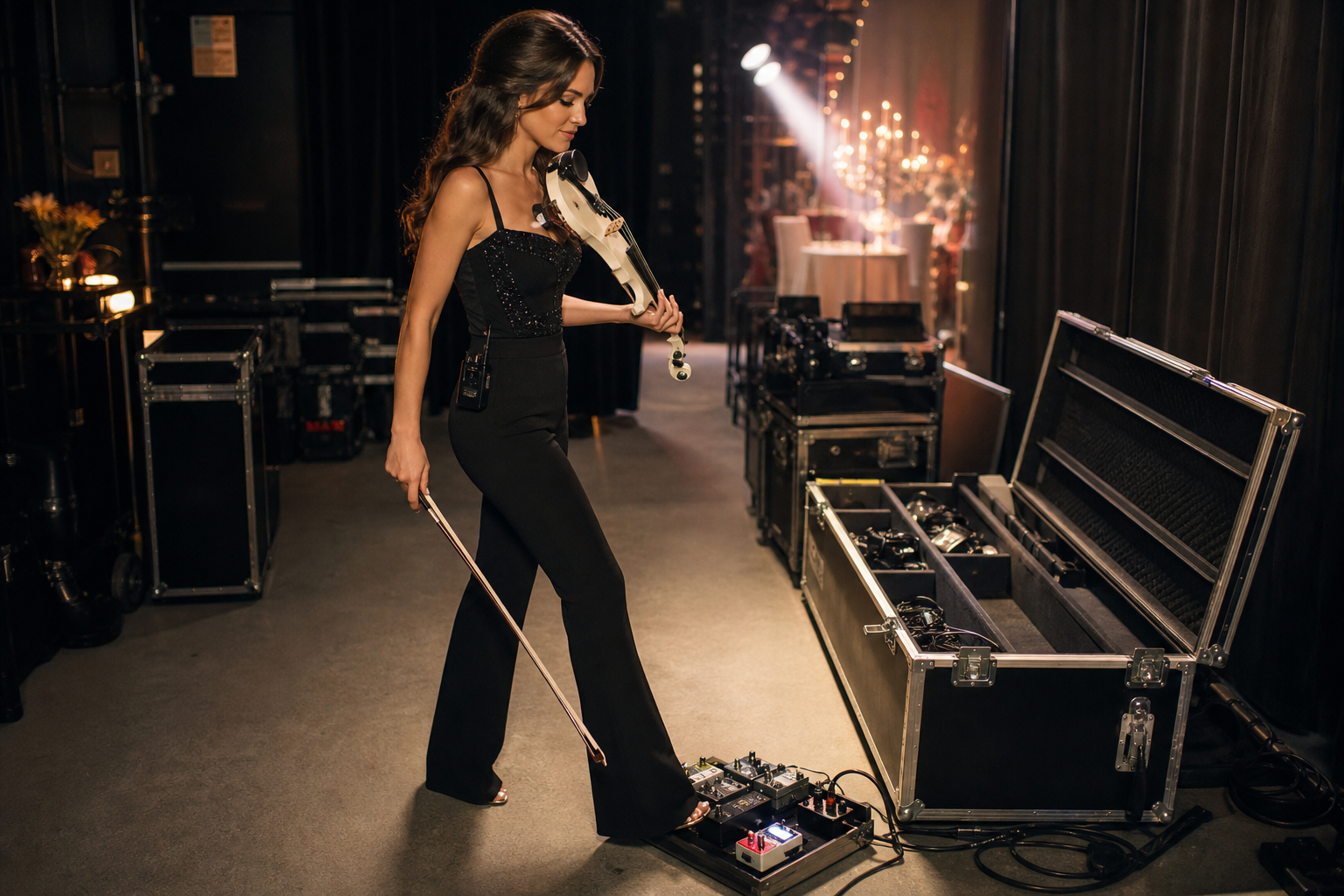
The safest overall answer is the MXR Micro Amp+. MXR gives it up to +26 dB of gain, bass and treble controls, low-noise op amps, and true bypass. That matters on electric violin because a solo lift is rarely just about getting louder. I usually need a small level push plus a little control over top-end bite so the line rises in the PA without turning thin in the wedge. The Micro Amp+ solves that with less fuss than stacking a second EQ move or jumping to a drive pedal that changes the whole front edge of the bow.
My performer rule: if the solo boost makes the violin feel smaller or scratchier, it is not a clean boost problem, it is the wrong pedal or the wrong placement.
Which clean boost pedals are worth buying right now?
I kept this list focused on electric violin reality: quick soundchecks, DI-driven rigs, compact pedalboards, and the need to lift a melody without hiding pitch center or bow detail.
| Product | Best for | Why Tanya would use it | Watch out for | Links |
|---|---|---|---|---|
| MXR Micro Amp+ | Best overall clean boost for most electric violinists | I trust it because the level range is strong, the added EQ is practical, and the low-noise design makes it easier to lift solos without adding extra pedal drama. | Too much treble can still make the violin feel sharp, so start near noon and adjust in the room. | Official · Amazon |
| Xotic EP Booster | Players who want warmer always-on body with solo lift on tap | I like it when I want the violin to feel a little fuller and sweeter all night, with up to 20 dB available when the melody needs to step out. | It is not the most neutral option here, so buy it for character as well as level. | Official · Amazon |
| TC Electronic Spark Mini Booster | Tiny boards and fast solo punches | I would use it when space is tight and I still want a real clean boost with simple control and useful hold-for-emphasis behavior. | One knob means less shaping if the room needs more than a plain lift. | Official · Amazon |
| BOSS BP-1W | Premium boards that want clean lift plus selectable analog color | I would reach for it when I want one pedal to cover a natural boost and two richer preamp-flavored voices without going full drive pedal. | It only makes full sense if you will use the three modes rather than leave it on one fixed sound forever. | Official · Amazon |
| JHS Prestige | One-knob players who want a compact enhancer and solo bump | I respect it because it works as a buffer, enhancer, and simple boost without stealing space or time from the rest of the board. | Past the higher end of the knob range it can push harder than some violinists want. | Official · Amazon |
| Keeley Mini Katana | Players who want a very large boost range in a small box | I would buy it when I want a small pedal with a lot of lift, strong touch feel, and enough headroom to cover quiet intros and bigger chorus entries. | With more than 35 dB available, it can over-push the next stage if you treat it carelessly. | Official · Amazon |
When is the Xotic EP Booster a smarter buy than the MXR Micro Amp+?
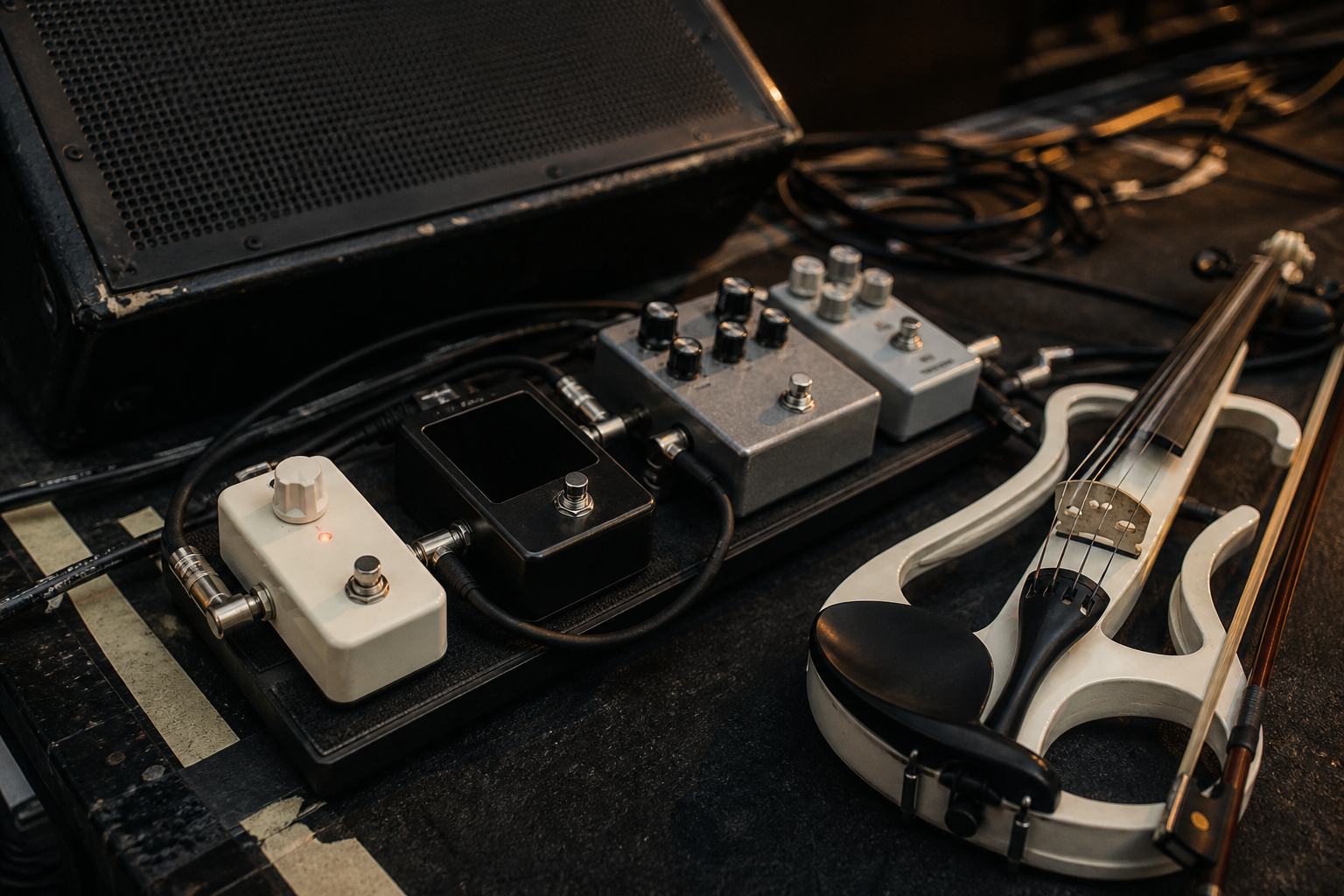
The Xotic EP Booster wins when you want the boost pedal to add a little beauty before it adds level. Xotic says it offers up to +20 dB of boost, a discrete FET design, low output impedance, internal DIP-switch options, true bypass, and 9V to 18V operation for more headroom. Tanya Strings would choose it when the rig already sounds close to right and I just want the violin to feel a bit wider, warmer, and easier to sing through on lyrical lines. The MXR is the better utility answer. The EP Booster is the better choice when tone sweetening is part of the purchase.
Who should start with the EP Booster instead of the flatter options?
Buy it first if you want a pedal that can stay on for most of the set and still give you solo lift when needed. It pairs especially well with my guides to instrument cables and EQ pedals, because a colored boost makes the most sense after the basic signal path is already under control.
- Pros: musical warmth, enough headroom, small footprint, and a strong always-on feel.
- Cons: less neutral than the MXR and less flexible if you need quick room correction from the pedal itself.
See the Xotic EP Booster · Find the Xotic EP Booster on Amazon
Which tiny or simple boost pedals make the most sense for fast stage rigs?
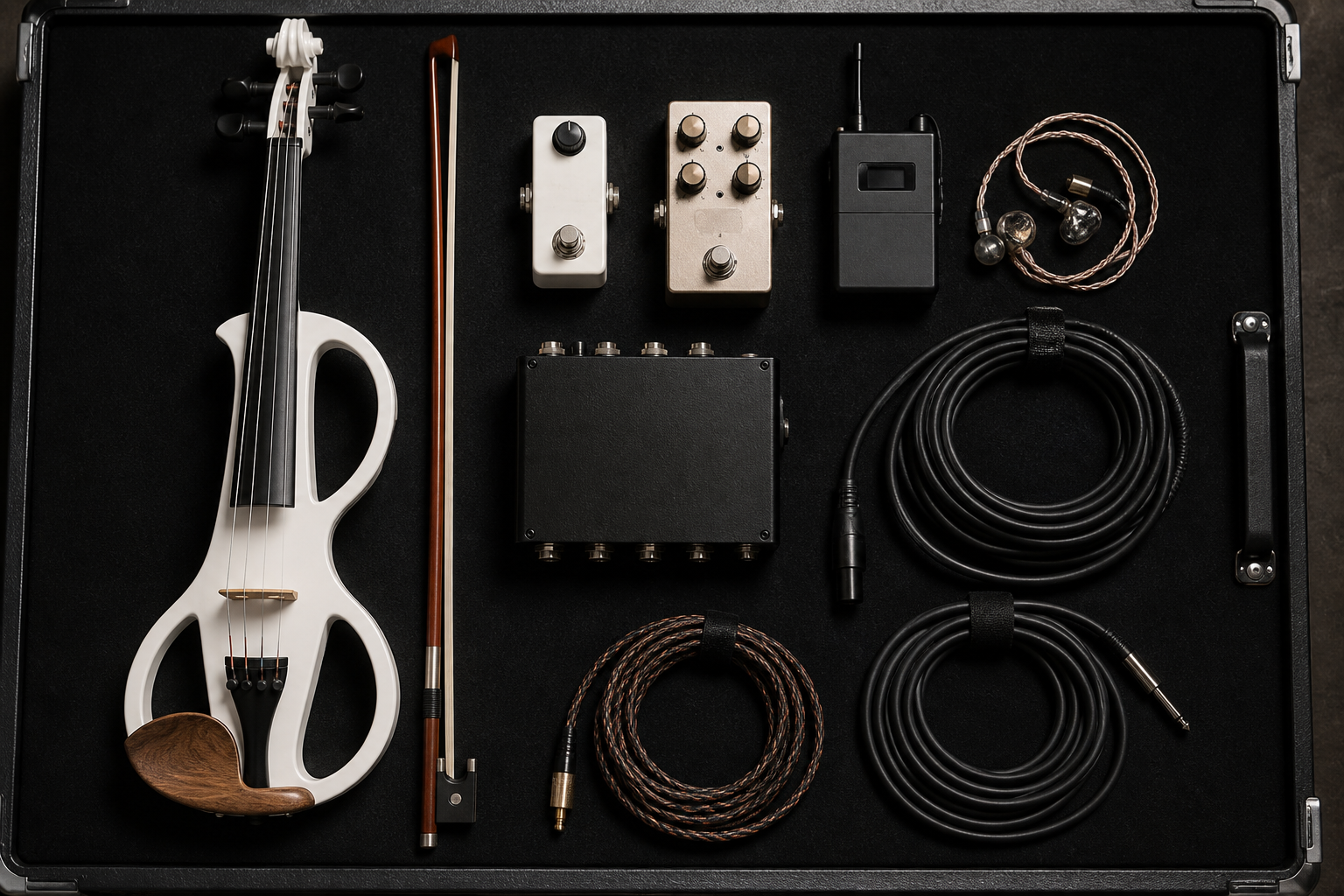
The simplest compact answer is the TC Electronic Spark Mini Booster. TC Electronic positions it as a fully analog mini booster with up to 20 dB of boost and PrimeTime switching that can behave as normal on-off or momentary emphasis. That is useful when a solo entrance needs just one clean push and the board cannot spare extra space. The JHS Prestige takes a different route. JHS says the first part of the knob acts as an enhancer or buffer, the middle becomes a volume lift, and the upper part can push harder into breakup. I like that when the board is small and the player wants one pedal to cover subtle body, cable help, and a simple front-of-stage lift.
Which of the two would Tanya pick for a fly-date board?
I would choose the Spark Mini when I want the most obvious solo-footswitch job in the smallest space. I would choose the Prestige when the rig also needs a gentle always-on polish and a little help against long cable loss. Both belong next to a compact board strategy like my guide to pedalboards for electric violinists, because footprint discipline matters more on violin rigs than many players admit.
- Spark Mini pros: very small, easy switching, up to 20 dB of lift, and strong value for tight boards.
- Spark Mini cons: no EQ help if the room wants tone correction at the same time.
- Prestige pros: enhancer feel, one-knob speed, useful buffer behavior, and tiny footprint.
- Prestige cons: less exact control once you want a very specific repeatable boost amount.
See the TC Electronic Spark Mini Booster · Find the Spark Mini Booster on Amazon
See the JHS Prestige · Find the JHS Prestige on Amazon

Is the BOSS BP-1W or Keeley Mini Katana better for a premium solo lift?
The BOSS BP-1W is the smarter premium buy when you want several flavors in one box. BOSS gives it three selectable modes: CE for bright bell-like preamp color, RE for warmer body and compression, and NAT for a more standard clean boost, plus standard or vintage buffer choices. Tanya Strings would use it when one show needs a plain lift, another needs a richer preamp feel, and I do not want to add a second pedal for that range. The Keeley Mini Katana is different. Keeley says it provides more than 35 dB of boost through dual Class A JFETs and offers four modes through internal switches. I see it as the strong small-box answer for players who want a lot of lift and a very lively response under the bow.
When would Tanya choose the Keeley over the BOSS?
I would pick the Keeley when board space is tight, the main goal is strong clean lift, and I already know the rest of the rig is stable. I would pick the BOSS when the pedal also needs to shape character from set to set. Both start to make more sense once the monitoring path is already sorted, which is why they pair well with my articles on wired in-ear monitor belt packs and wireless in-ear monitor systems.
- BP-1W pros: three useful modes, two buffer options, polished build, and easy stage range from natural to colored boost.
- BP-1W cons: costs more and gives its best value only when you use the mode choices.
- Mini Katana pros: huge boost ceiling, small size, fast feel, and flexible internal voicing.
- Mini Katana cons: easy to over-push the next stage if you do not set the board carefully.
See the BOSS BP-1W · Find the BOSS BP-1W on Amazon
See the Keeley Mini Katana · Find the Keeley Mini Katana on Amazon
What should electric violinists look for before buying a clean boost pedal?
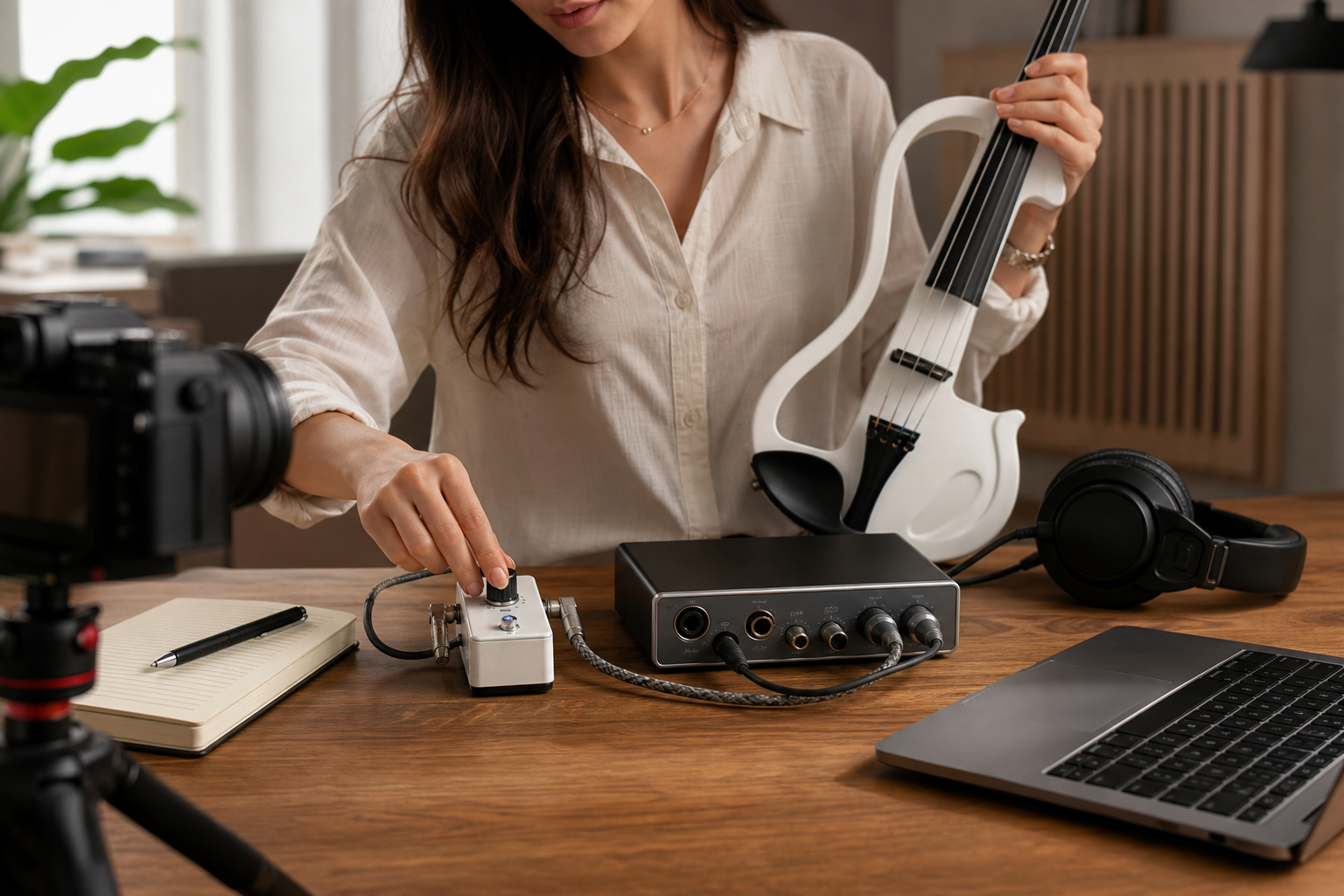
Buy for the way the solo should feel in the room, not for the largest boost number on the box. Tanya Strings wants a clean boost that respects bow attack, keeps pitch center stable, and fits the rest of a modern stage-and-content rig.
My buying checklist:
- Decide whether you need neutral or flattering: some pedals mainly lift level, others add body or brightness with it.
- Check where the pedal will live: after overdrive is usually the right place for true solo volume lift.
- Protect headroom: electric violin can get harsh fast when the next stage clips too soon.
- Think about board size: a tiny rig may value one-knob speed more than extra controls.
- Respect the monitoring path: a better solo boost will not save a weak wedge or bad in-ear mix.
- Build around the core chain: the pedal works better beside solid DI and preamp choices, stable power, and quiet patch cables.
Which mistakes make clean boost pedals sound worse than they should?
The usual problems come from placement, level discipline, or expecting a boost to do the work of an EQ or a drive pedal. The pedal is simple, but the surrounding chain still decides whether the result feels expensive or messy.
- Putting the pedal before drive when you wanted more volume: that often gives you more saturation instead of a real solo lift.
- Adding too much treble at the pedal: electric violin upper mids can turn hard quickly in a PA.
- Ignoring the next gain stage: a boost only stays clean if the amp, preamp, or interface after it still has room.
- Using a boost to fix a bad base tone: that only makes the wrong sound louder.
- Skipping repeatable settings: if the solo level changes wildly between rooms, mark the safe range and keep it disciplined.
- Buying by guitar demos alone: violin needs more attention to bow articulation and less tolerance for brittle highs.
FAQ
What is the best clean boost pedal for most electric violinists?
For most players, I would start with the MXR Micro Amp+ because it balances strong level lift, simple tone correction, and low-noise behavior better than most alternatives.
Should a clean boost go before or after overdrive on an electric violin board?
Put it after overdrive if you want the solo to get louder. Put it before overdrive only if you want the next stage to saturate more.
Is a clean boost different from an EQ pedal for electric violin?
Yes. A clean boost is mainly a level and feel tool, while an EQ pedal is the better answer for wider frequency correction.
Which compact boost pedal is easiest for a tiny electric violin board?
The TC Electronic Spark Mini Booster is the easiest tiny-board option because it stays small, gives a real clean lift, and does not ask for much setup.